If you want a Chicago neighborhood that can carry you from a sunrise walk by the lake to dinner reservations and a late-night cocktail without ever feeling disconnected, the Gold Coast makes a strong case. This is one of those rare areas where lakefront access, historic streets, luxury retail, and layered residential living all sit within a compact, walkable footprint. Whether you are visiting, relocating, or simply trying to understand what daily life here really feels like, this guide will walk you through the rhythm of the neighborhood. Let’s dive in.
Start Your Morning by the Lake
A day in the Gold Coast often begins with the shoreline. Oak Street Beach anchors the neighborhood’s connection to Lake Michigan, offering skyline views along with seasonal amenities like chair rentals, food and beverage service, bike rentals, restrooms, and an ADA-accessible beach walk, according to the Chicago Park District’s Oak Street Beach page.
If you are heading out early, this part of the neighborhood feels especially calm. The beach is open from 6 a.m. to 11 p.m., though swimming is only allowed when lifeguards are on duty from 11 a.m. to 7 p.m. during beach season, which runs from the Friday before Memorial Day through Labor Day, as noted by the Chicago Park District.
Just above the sand, the Lakefront Trail gives you another way to experience the area. The Chicago Park District describes the trail as an 18-mile bike trail and an 18.5-mile pedestrian trail stretching from Ardmore Avenue to 71st Street, serving runners, commuters, walkers, and visitors alike.
Why the lakefront matters
In the Gold Coast, the lake is not just scenery. It shapes how the neighborhood lives day to day. You can start with movement, fresh air, and open views, then walk just a few blocks inland into one of Chicago’s most established luxury districts.
Explore the Streets Behind the Postcards
The Gold Coast has a reputation for elegance, and that reputation is well earned. Historically, the neighborhood referred to a stretch of expensive lakefront property occupied by wealthy residents, and after the opening of the Michigan Avenue Bridge in 1920, Michigan Avenue grew into a major luxury shopping district, according to the Encyclopedia of Chicago.
Today, the neighborhood is widely recognized for its mix of historic mansions, designer boutiques, celebrated restaurants, historic hotels, and access to the lakefront. Choose Chicago’s neighborhood guide captures that identity well, but what makes the area especially interesting is its range.
Gold Coast is more layered than many expect
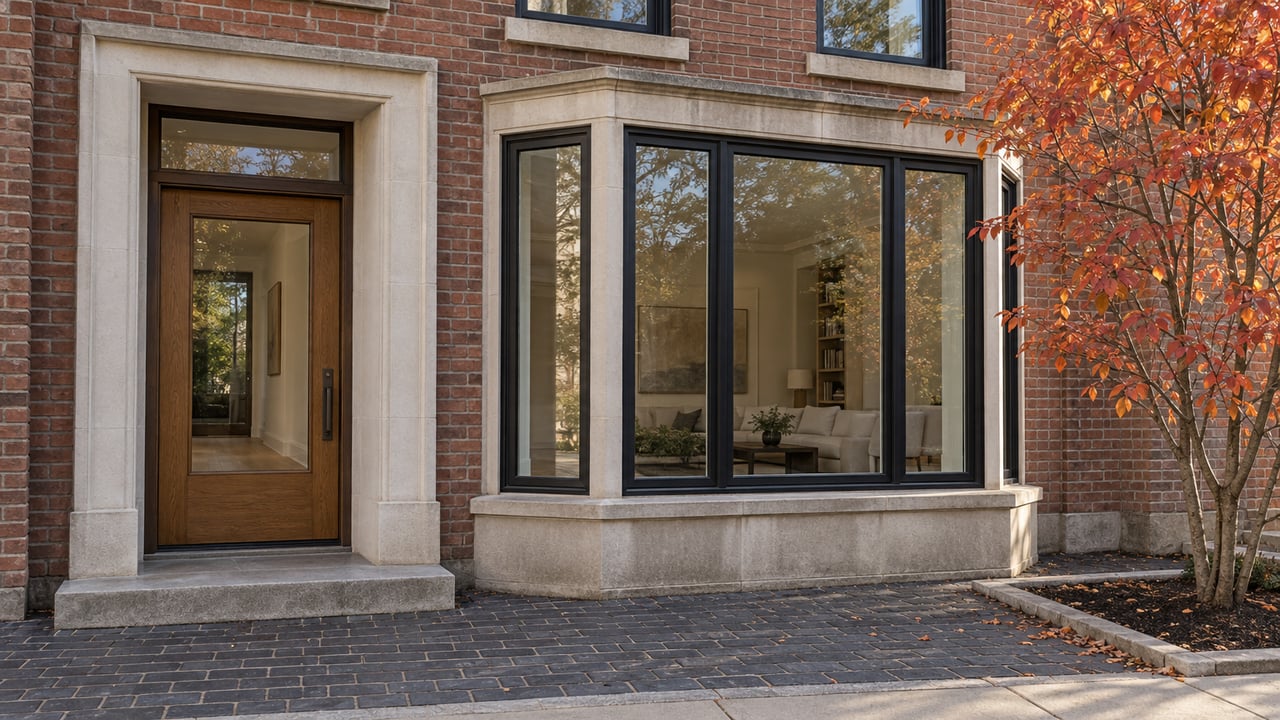
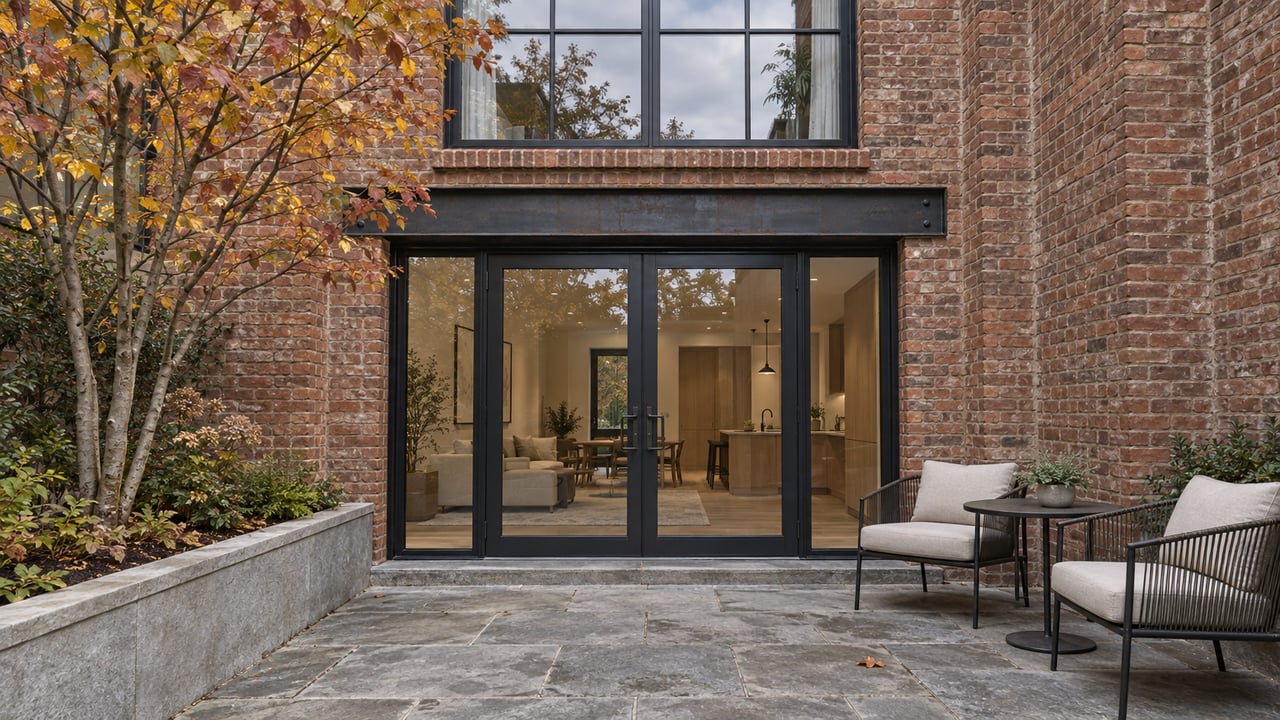
If you picture only grand single-family homes, you are seeing just one part of the story. The Gold Coast is better understood as a layered residential landscape where mansions, rowhouses, townhouses, luxury apartments, condos, and landmark hotels exist side by side in a walkable urban setting, as reflected in Choose Chicago’s overview.
That contrast is part of the appeal for many buyers. You can move from stately, older architecture to mid-century and late-20th-century residential buildings in only a few blocks, and the neighborhood still feels cohesive.
See the Historic Residential Core
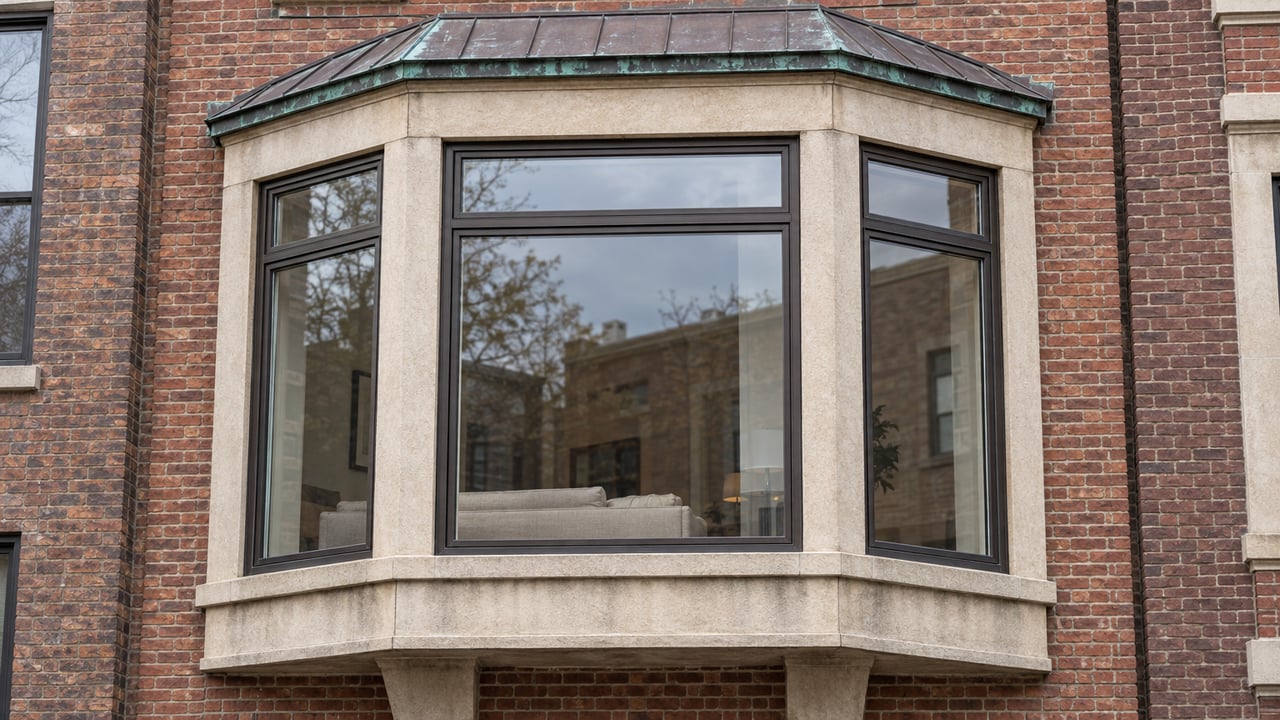
One of the clearest examples of the Gold Coast’s architectural depth is the Astor Street District. The City of Chicago identifies this landmark district as covering the 1200 to 1600 blocks of Astor Street, where 19th-century revival-style houses mix with 20th-century apartment buildings and townhouses, all now surrounded by high-rise residential buildings largely constructed between 1960 and 1980, according to the City of Chicago landmark district page.
For anyone considering a move here, that matters. It means the Gold Coast offers more than one housing experience. Depending on the block and building, you may find historic character, boutique scale, full-service high-rise living, or a lock-and-leave condo lifestyle.
A neighborhood with housing variety
The broader housing story also includes early luxury apartment buildings and residential hotels, which helped define the neighborhood’s long-standing connection to hospitality and commerce. Nearby, even places like Sandburg Village reflect a different chapter of residential development, with high-rise rental apartments later converted to condominiums and townhouses added over time, according to the Encyclopedia of Chicago.
For buyers, that variety can be a real advantage. It creates options for different lifestyles while preserving the neighborhood’s strong identity and walkability.
Spend Midday on Oak Street
By late morning or early afternoon, the center of gravity shifts toward Oak Street. This is the Gold Coast’s signature luxury retail corridor, known for fashion, food, nightlife, and a concentration of high-end boutiques just steps from Michigan Avenue. The Oak Street district highlights brands such as Armani, Prada, Chanel, Cartier, and Rolex by Razny, while Choose Chicago describes the area as a tree-lined stretch filled with luxury boutiques and couture showrooms.
What makes this part of the neighborhood stand out is how naturally it fits into the day. You are not commuting across the city to reach it. In the Gold Coast, luxury retail is woven into the same walkable environment as residential streets, historic buildings, hotels, and the lakefront.
More than shopping
Even if you are not planning to browse designer storefronts, Oak Street helps define the neighborhood’s atmosphere. It adds a polished, international energy that complements the more residential side streets. For many people, that blend is the point: refined but still lived-in.
Add Culture to the Afternoon
A strong Gold Coast day also leaves room for an indoor stop, especially when the weather shifts. The Museum of Contemporary Art Chicago at 220 E Chicago Ave is one of the easiest cultural anchors to add to your route, and its official site notes that it also includes the restaurant Marisol, making it a practical lunch or afternoon break stop. You can explore current details through the Museum of Contemporary Art Chicago.
Another nearby option is the Driehaus Museum at 50 E Erie Street, just steps from the Magnificent Mile, which adds yet another layer to the area’s cultural reach. These kinds of destinations reinforce one of the Gold Coast’s biggest strengths: you can build a full day here without sacrificing variety.
A neighborhood with staying power
This is one reason the Gold Coast continues to resonate with both longtime Chicagoans and newcomers. It offers more than visual appeal. It supports a daily routine that can include the lake, architecture, retail, dining, and culture in a way that feels seamless rather than staged.
Ease Into the Evening
As the sun goes down, the Gold Coast shifts again. Official visitor guides point to dinner, drinks, and nightlife as a natural continuation of the day, with Rush Street remaining part of the neighborhood’s after-dark identity and Choose Chicago’s Gold Coast itinerary highlighting stops like Luxbar and Coq d’Or alongside museum visits and waterfront time.
This evening energy is part of what gives the neighborhood range. You can keep the night polished and quiet, or stay out longer and enjoy the social side of the area. Either way, it is easy to see why the Gold Coast has remained one of Chicago’s most enduring lifestyle neighborhoods.
What Living in Gold Coast Feels Like
For buyers, the real takeaway is not just that the Gold Coast is beautiful. It is that the neighborhood supports a full-spectrum urban lifestyle. You have the lake at the edge of the neighborhood, established retail corridors, cultural institutions nearby, and a residential fabric that includes everything from landmark homes to high-rise condos.
That makes the area especially appealing if you want walkability and design-driven living without giving up access to Chicago’s iconic lakefront. It also helps explain why the Gold Coast has remained relevant across generations of development, from historic mansions and residential hotels to contemporary apartment and condominium living.
Why buyers stay interested
Luxury buyers are often looking for more than square footage. They want context, convenience, architecture, and a neighborhood that feels complete. The Gold Coast continues to deliver on that mix, which is why it remains a meaningful part of the Near North conversation.
If you are exploring Gold Coast real estate and want a more curated perspective on buildings, blocks, and lifestyle fit, the team at Cadey O'Leary Collection brings a polished, senior-led approach to Chicago’s luxury market.
FAQs
What is the Gold Coast neighborhood in Chicago known for?
- The Gold Coast is known for its historic mansions, luxury boutiques, restaurants, historic hotels, nightlife, and close access to Lake Michigan, according to Choose Chicago.
What can you do at Oak Street Beach in Chicago’s Gold Coast?
- Oak Street Beach offers skyline views plus amenities such as chair rentals, food and beverage service, bike rentals, restrooms, volleyball rentals, and an ADA-accessible beach walk, according to the Chicago Park District.
Is the Lakefront Trail accessible from Chicago’s Gold Coast?
- Yes. The Lakefront Trail runs along the lake and is a major nearby amenity, with the Chicago Park District describing it as an 18-mile bike trail and an 18.5-mile pedestrian trail.
What kinds of homes are found in Chicago’s Gold Coast?
- The Gold Coast includes a mix of mansions, rowhouses, townhouses, luxury apartments, condos, and historic hotels, rather than only single-family homes, based on Choose Chicago and the Encyclopedia of Chicago.
Where can you shop in Chicago’s Gold Coast?
- Oak Street is the neighborhood’s signature luxury shopping corridor, with high-end fashion and jewelry brands listed by the Oak Street district.