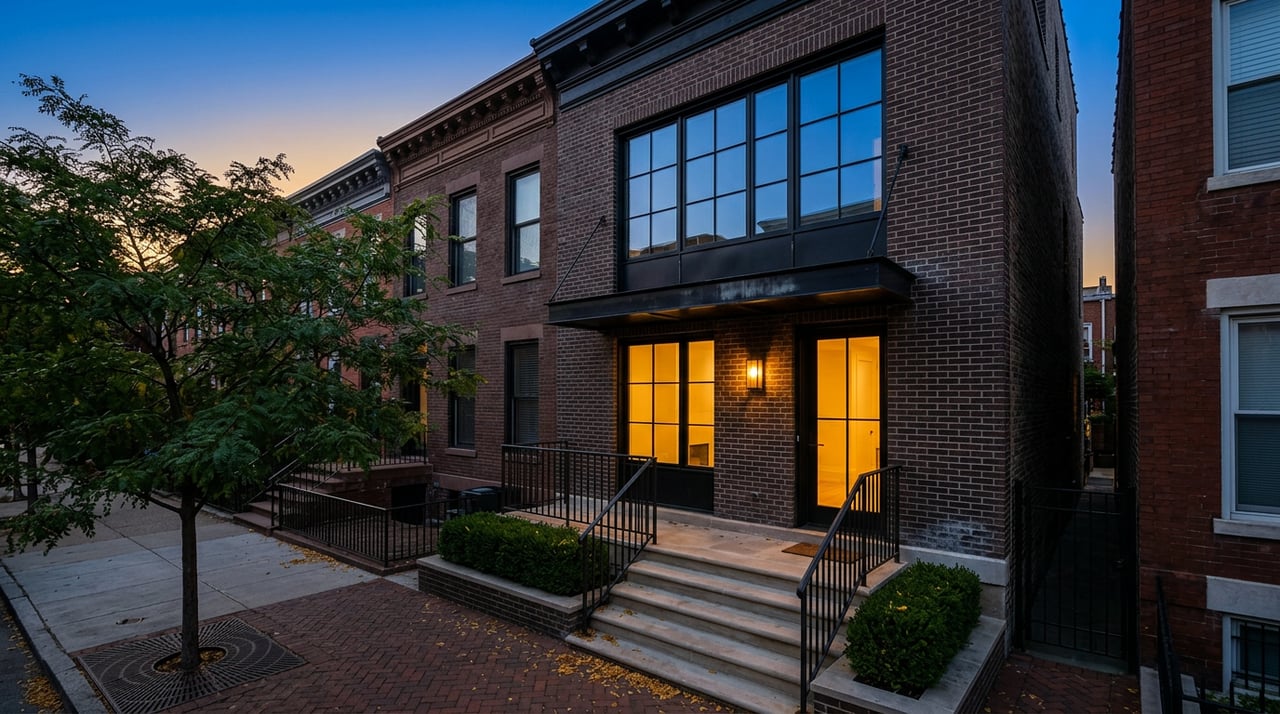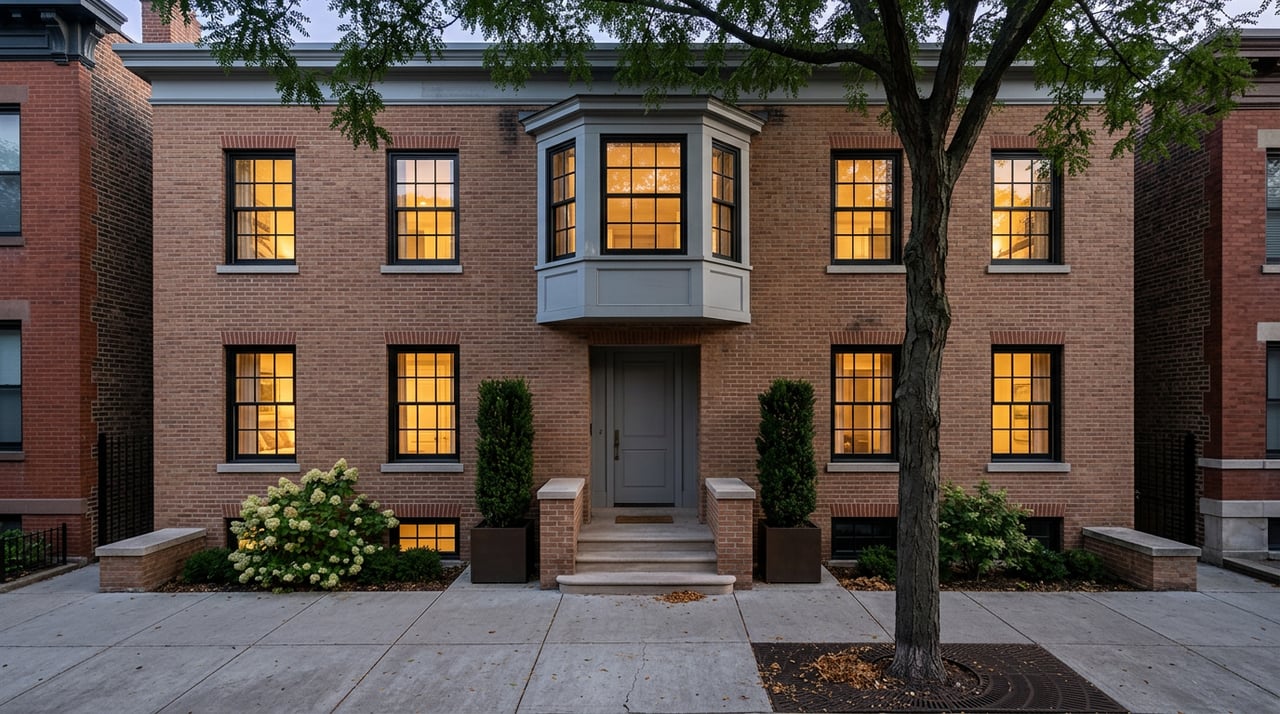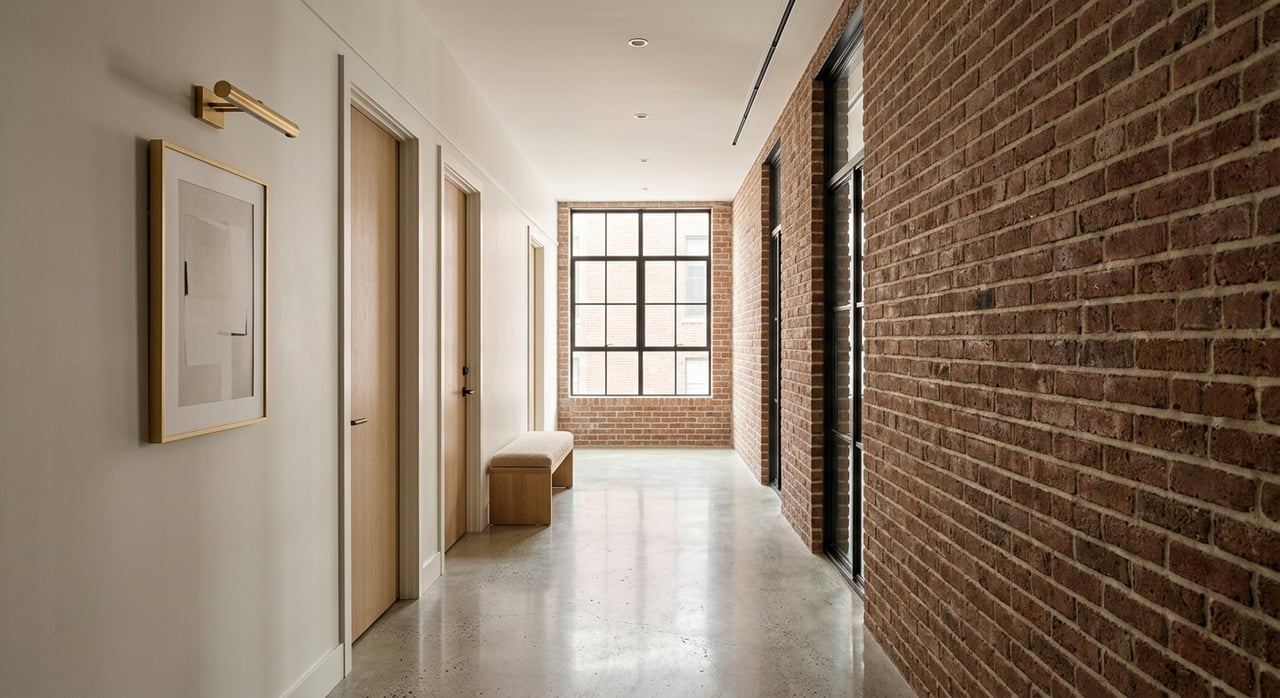
Wondering where to spend a weekend if you care as much about materials, facades, and interiors as you do about dinner reservations? West Loop makes that easy. In just a few blocks, you can move from warehouse-era architecture to polished hotels, contemporary galleries, and homes that carry the same industrial-chic language into everyday living. If you want a neighborhood that feels visually layered, highly walkable, and unmistakably Chicago, this guide will show you how to experience it. Let’s dive in.
Why West Loop Feels So Design-Driven
West Loop stands out because its look was not invented overnight. The neighborhood grew from industrial spaces and wholesale food markets into a district filled with offices, restaurants, hotels, and residences, many shaped by adaptive reuse. That mix gives the area a visual identity that feels grounded rather than manufactured.
You see that history in the buildings themselves. Preservation Chicago places the West Loop Mercantile District roughly between Fulton, Washington, Clinton, and Des Plaines, with many buildings dating from about 1875 to 1928 and reflecting a Chicago School commercial and warehouse character. In simple terms, the bones are real, and they still set the tone for what came next.
That is also why West Loop feels different from a typical lifestyle district. Old loading doors, masonry facades, loft buildings, and modern glass additions all exist in close conversation. The result is a neighborhood where continuity matters just as much as contrast.
Start With Landmark Architecture
A design-focused weekend in West Loop should begin with the structures that explain the neighborhood’s story. These are not just backdrops for photos. They show how Chicago has reused and reimagined major buildings without losing their original presence.
Old Post Office
The Old Chicago Main Post Office is one of the clearest examples of large-scale adaptive reuse in the area. The building spans two city blocks, carries a classically influenced Art Deco character, and was renovated before reopening in 2019 as office and event space. It is a reminder that West Loop’s design appeal often comes from restoration, not replacement.
Even if you only view it from the street, the scale makes an impression. It feels monumental, but not disconnected from the neighborhood around it. That balance is part of what makes West Loop so compelling to design-minded visitors and buyers alike.
Union Station
Union Station adds a civic and architectural anchor to the neighborhood. Designed in a Beaux-Arts mode and envisioned by Daniel Burnham as part of West Loop’s development, it brings a sense of grandeur that complements the area’s more industrial textures. The Great Hall restoration in 2018 reinforced its role as one of the city’s enduring public interiors.
For a weekend itinerary, Union Station works well as a starting point because it immediately frames West Loop as more than a restaurant destination. It is a neighborhood shaped by infrastructure, movement, and landmark design.
1K Fulton
If you want to see West Loop’s old-meets-new personality in one project, 1K Fulton is worth noting. The development reused the concrete shell of the 1920s Fulton Cold Storage Building and added a contemporary annex, while carrying industrial references into the interior through material choices and an ice motif. It is a polished example of how the area updates historic structure without erasing it.
This is a recurring West Loop theme. The neighborhood does not rely on one aesthetic lane. Instead, it layers industrial structure, restrained modern design, and strong material contrast in a way that still feels cohesive.
Check Into a Design-Forward Hotel
Where you stay can shape the entire weekend. In West Loop, several hotels reflect different sides of the neighborhood’s visual identity, from adaptive reuse to quiet minimalism.
Soho House Chicago
Soho House Chicago is set in the 1908 Allis Building, a former belt factory in Fulton Market. Its industrial-inspired interiors, rooftop pool, and art collection make it a natural fit if you want your stay to echo the neighborhood’s warehouse roots. It captures the softer, more curated side of industrial design.
Nobu Hotel Chicago
Nobu Hotel Chicago offers a different mood. The property describes itself as a sanctuary above Fulton Market and the restaurant row below, with a more minimal and refined design approach. If you prefer calm restraint over visible industrial texture, this is a strong match.
The Emily Hotel
The Emily Hotel leans into art and modernist energy. With curated art, collaborations with local artists, and public spaces designed to feel creative rather than generic, it suits travelers who want the hotel itself to feel like part of the cultural itinerary. It also reflects the neighborhood’s shift toward hospitality spaces with a point of view.
Plan Your Meals Around Design
In West Loop, food and design are closely linked. Randolph Street is Chicago’s longest Restaurant Row, and the area has more Michelin award-winners than any other city area, according to the Chicago Architecture Center. That concentration helps explain why interiors matter so much here.
Girl & the Goat
Girl & the Goat is part of West Loop’s modern identity. The restaurant opened in 2010 and was among the early anchors on the neighborhood’s Restaurant Row. For a weekend itinerary, it represents the start of West Loop’s rise as a place where dining, design, and destination energy came together.
The Publican
The Publican blends a Midwest-rooted menu with the warmth of a European beer hall. That rustic-meets-refined atmosphere mirrors West Loop’s broader visual language. It feels welcoming, but still intentionally designed.
Smyth and Oriole
If your ideal weekend includes a more elevated dinner, Smyth and Oriole are important names in the neighborhood. Smyth is a three-Michelin-starred restaurant centered on seasonal North American producers and changing expressions of ingredients. Oriole adds another design-rich experience, with guests entering through a converted freight elevator into a space that still reads as a former warehouse.
Momotaro and Kumiko
For cleaner lines and more restrained design, Momotaro and Kumiko fit beautifully into a design lover’s schedule. Momotaro pairs polished interiors with sushi, robata plates, and cocktails. Kumiko may be the most design-literate stop of all, with a concept closely tied to Japanese craft and a measured, intentional aesthetic.
Add a Gallery Stop or Two
West Loop is not only about architecture and dining. It also offers contemporary art spaces that deepen the neighborhood’s creative identity.
Kavi Gupta
Kavi Gupta is one of the strongest contemporary-art anchors in the area. Founded in the neighborhood in 2000, it now operates multiple museum-quality exhibition spaces in West Loop. If you want your weekend to include serious contemporary work, this is an essential stop.
Anthony Gallery
Anthony Gallery, founded in 2019, presents solo and group exhibitions in West Loop. It is a strong addition if you enjoy seeing emerging voices alongside more established names. The scale also makes it approachable for a casual afternoon visit.
Takohl and WNDR Museum
Takohl brings a different type of design experience, blending a custom jewelry studio with an art gallery and tracing local roots back to 1987. WNDR Museum offers a more immersive format, with more than 15 installations in its West Loop location. Together, they show how broad the neighborhood’s design scene really is.
The Best Way to Walk It
For a weekend like this, the smartest approach is block-based and flexible. Washington and Canal are useful reference points for architecture thanks to the Post Office and Union Station. Randolph Street and Fulton Market naturally pull you into food, hospitality, and gallery spaces.
This walkability is part of the appeal. You are not hopping between disconnected destinations. You are moving through a neighborhood where the streetscape itself tells the story, from post-Chicago Fire buildings and converted warehouses to newer headquarters, hotels, and homes.
What West Loop Design Means for Real Estate
If you have ever toured West Loop and thought, I could live in this aesthetic, you are not alone. One of the neighborhood’s biggest strengths is that its design identity carries directly into its housing stock. West Loop offers a spectrum from true warehouse conversions to newer luxury residences that borrow the same material vocabulary.
Authentic Loft Living
For buyers drawn to original character, buildings like Haberdasher Square Lofts illustrate the classic West Loop story. The property presents itself around historic integrity, with concrete and timber condominium homes. That kind of structure gives you the texture and proportions many buyers associate with true loft living.
New Construction With Context
On the newer side, projects like Embry show how West Loop development often responds to neighborhood character rather than ignoring it. The 16-story, 58-unit condominium tower was informed by West Loop history and includes interiors by Kara Mann, along with details such as curved walls, wood paneling, terraces, and 10-foot ceilings. It is a reminder that newer homes here often aim for design credibility, not just luxury finishes.
Why Buyers Keep Looking Here
For design-sensitive buyers, West Loop can feel especially compelling because the architecture, interiors, hospitality spaces, and residences all reinforce one another. You are not buying into a single building in isolation. You are stepping into a neighborhood where materiality, scale, and visual identity show up block after block.
That matters if you value homes with a strong point of view. It also matters if you want a neighborhood that feels current while still holding onto its architectural memory.
West Loop rewards people who notice details. Whether you spend the weekend studying facades, booking a beautifully designed hotel, trying a restaurant with a memorable interior, or imagining yourself in a concrete-and-timber loft, the neighborhood offers a rare kind of consistency. It is one of Chicago’s clearest examples of how architecture, hospitality, art, and residential design can all speak the same language.
If you are exploring Chicago neighborhoods with an eye for design, materials, and long-term livability, Cadey O'Leary Collection offers a highly curated, senior-led approach to buying and selling distinctive homes.
FAQs
What makes West Loop, Chicago appealing to design lovers?
- West Loop stands out for its mix of historic warehouse buildings, adaptive reuse projects, modern hotels, contemporary galleries, and residences that echo the same industrial-chic design language.
Which West Loop architecture sites are worth seeing on a weekend?
- Strong stops include the Old Chicago Main Post Office, Union Station, and 1K Fulton, each showing a different side of the neighborhood’s architectural evolution.
Which West Loop hotels have the strongest design focus?
- Soho House Chicago, Nobu Hotel Chicago, and The Emily Hotel each offer a distinct design perspective, ranging from industrial reuse to minimalist luxury and art-centered boutique hospitality.
Where should you eat in West Loop if interior design matters too?
- Good design-forward choices include Girl & the Goat, The Publican, Smyth, Oriole, Momotaro, and Kumiko, all of which pair strong culinary identity with memorable spaces.
What types of homes reflect West Loop’s design character?
- West Loop housing ranges from authentic loft conversions with concrete and timber elements to newer luxury condos that use warm wood, clean lines, and refined materials inspired by the neighborhood’s industrial history.