If you are wondering whether you can really live in Chicago with less time behind the wheel, West Loop makes a strong case. In this part of the city, many of the places you use every week, from transit stops to groceries to parks and dinner spots, sit within a compact, practical grid. If you are weighing a move or simply trying to picture your day-to-day routine, this guide will show you what car-light living in West Loop can actually look like. Let’s dive in.
Why West Loop supports car-light living
West Loop works well for a car-light routine because daily essentials are clustered close together. The neighborhood has become a major dining destination, with Randolph Street’s Restaurant Row and nearby Fulton Market serving as two of its main activity corridors.
That concentration matters more than any single amenity. When groceries, restaurants, green space, and transit are all nearby, it becomes easier to handle daily life on foot, by bike, or by rail instead of automatically reaching for a car.
Transit options in West Loop
CTA stations nearby
Three CTA Green and Pink Line stations help anchor the neighborhood’s edges: Morgan at 958 W. Lake, Clinton at 540 W. Lake, and Ashland at 1601 W. Lake. These stations give you practical access points depending on where in West Loop you live and where you need to go.
Clinton is especially useful for a car-light routine. The station includes indoor bike parking, access to CTA Bus #56, and a connection to Ogilvie Transportation Center. Ashland also connects to CTA Bus #9 and #X9, which adds flexibility for longer crosstown trips.
Metra access for regional travel
For commuting beyond the neighborhood or planning out-of-area travel, West Loop benefits from being close to two major downtown rail hubs. Ogilvie Transportation Center serves the UP-N, UP-NW, and UP-W Metra lines and connects to the Green and Pink Lines.
Union Station is also nearby and serves multiple Metra lines along with many CTA routes. If your routine includes suburban meetings, reverse commuting, or regular regional travel, that access can make car ownership feel less necessary.
Biking and short trips
Divvy makes quick errands easier
Chicago’s Divvy bike-share system operates 24 hours a day, 7 days a week, with stations across Chicagoland. You can check out a bike for a short errand, connect to transit, or use it for a final-mile trip and return it to any open dock.
In a neighborhood like West Loop, that kind of flexibility is useful. It lets you blend walking, transit, and biking based on the day rather than committing to one mode of travel every time.
Building your routine around short hops
For many residents, car-light living is not about never using a car. It is about reducing the number of trips that require one. A short bike ride to meet friends, a quick ride home from transit, or an errand that takes ten minutes instead of a drive-and-park routine can change how your week feels.
Clinton’s indoor bike parking adds another layer of convenience if you own a bike and want a more streamlined commute. Small details like that often shape whether a routine feels easy or frustrating.
Daily errands without a car
Grocery and pharmacy anchors
West Loop has several established shopping anchors that support everyday life. Whole Foods Market is at 1 N Halsted, Mariano’s is at 40 S Halsted, and Target Chicago West Loop is at 1101 W Jackson.
Target also includes a CVS Pharmacy, which helps cover another common errand in the same trip. Whole Foods and Target offer pickup and delivery options, while Mariano’s offers order-ahead and pickup features.
Why convenience matters
In lower-density neighborhoods, grocery runs often become one of the biggest reasons people rely on a car. West Loop’s mix of nearby stores helps reduce that friction.
If you can pick up groceries, pharmacy items, and household basics close to home, you can keep your routine simpler. That can be especially appealing if you value time, convenience, and a more walkable urban lifestyle.
Parks and outdoor routine in West Loop
Parks within reach
West Loop offers several nearby parks that support an active day-to-day routine. Mary Bartelme Park at 115 S Sangamon includes an open lawn, fountain plaza, children’s play area, and dog park.
Skinner Park at 1331 W Adams offers playgrounds, a community garden, baseball fields, and basketball courts, along with access to a gymnasium and indoor pool through nearby Whitney Young High School. Union Park at 1501 W Randolph includes a fieldhouse, gymnasium, fitness center, and pool, while Park No. 569 at 1358 W Monroe provides dog park space.
A neighborhood that supports movement
These spaces make it easier to build movement into your normal week. You can walk the dog, meet friends at the park, head out for a run, or spend time outdoors with family without needing to drive to a separate destination.
That kind of access often shapes how connected you feel to a neighborhood. When outdoor space is part of your immediate routine, daily life tends to feel more flexible and more local.
Dining and social life on foot
Randolph, Fulton Market, and Greektown
One of West Loop’s biggest lifestyle advantages is how easy it is to socialize without driving. Randolph Street’s Restaurant Row is the clearest example, with a dense mix of destination dining and neighborhood favorites.
Choose Chicago highlights restaurants such as Green Street Smoked Meats, avec, Momotaro, Monteverde, and Girl & The Goat, while also pointing to nearby Fulton Market and Greektown as additional dining clusters. For you, that can mean dinner plans, weekend meetups, and casual nights out all happen within a walkable area.
What that means for everyday living
A walkable social life changes more than transportation. It can make spontaneous plans easier, cut down on parking stress, and help you feel more immersed in the neighborhood’s rhythm.
If you like the idea of stepping out for coffee, meeting friends for dinner, or exploring new spots without planning a drive, West Loop delivers that kind of convenience.
Choosing the right home for car-light living
Loft conversions and neighborhood character
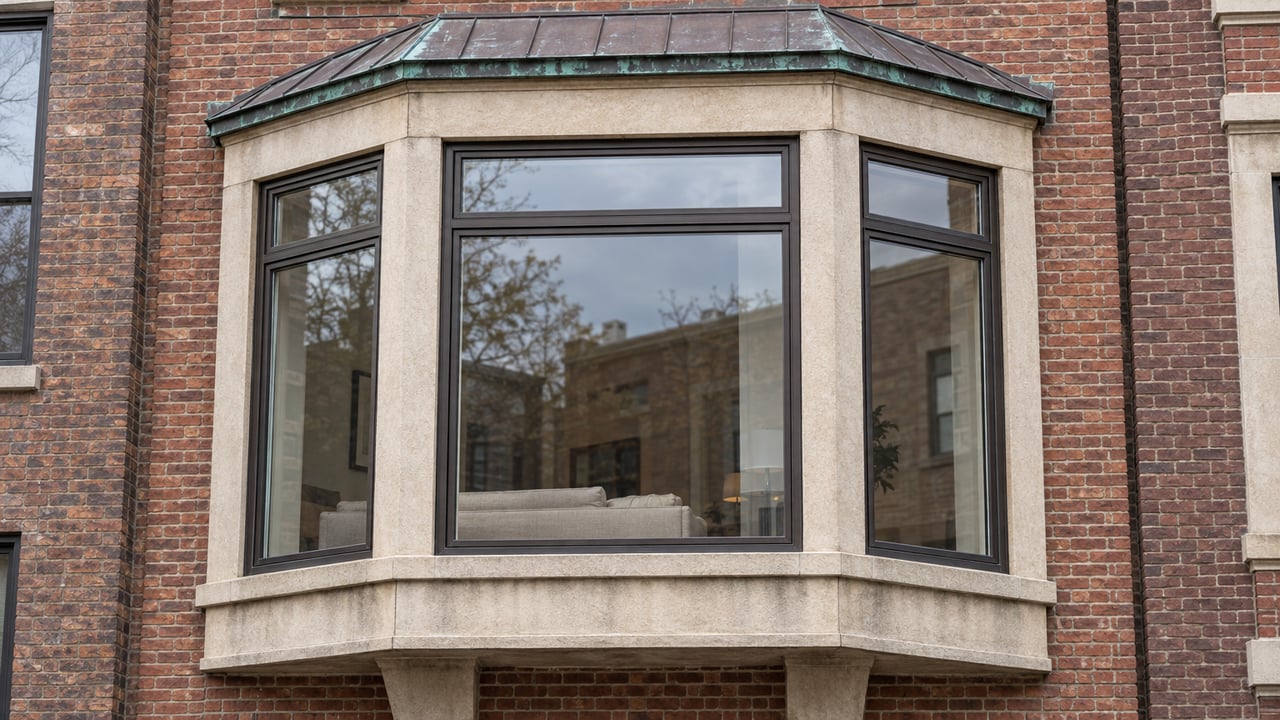
West Loop’s residential identity is shaped in part by its industrial past. Older loft buildings reflect former warehouse and mill-style structures that have been adapted for residential use.
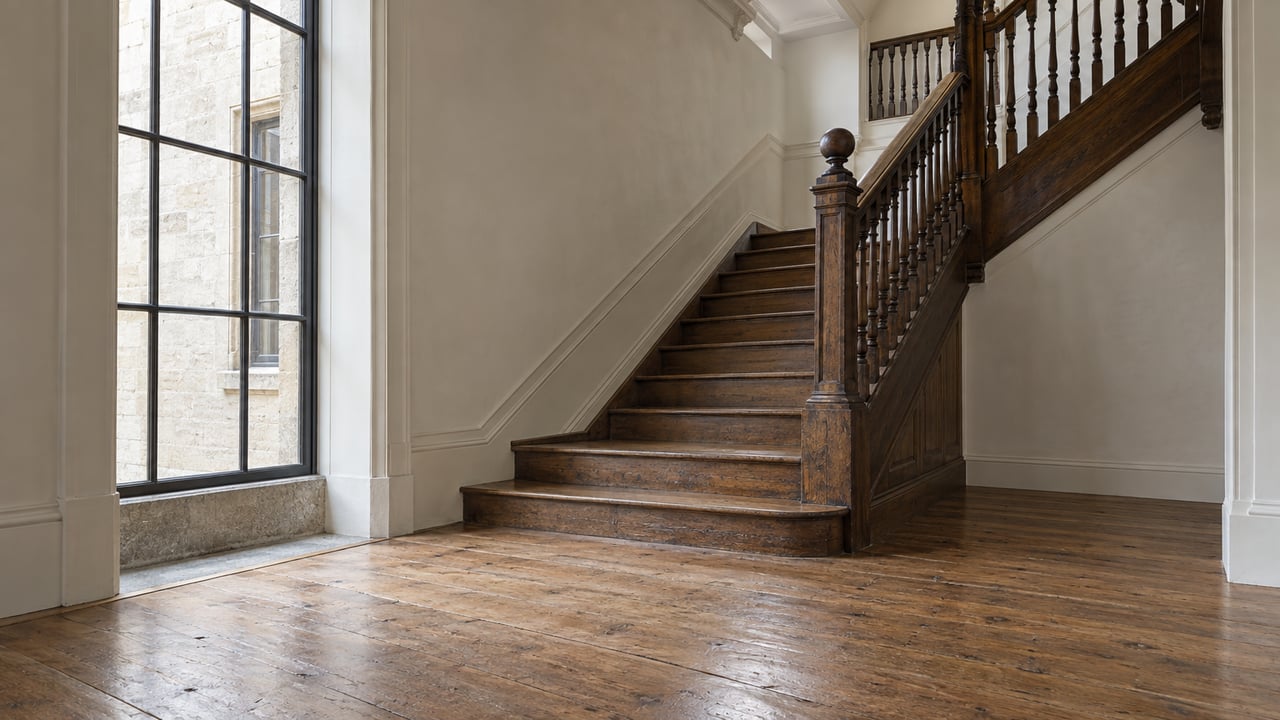
For buyers, loft conversions often signal historic character and a strong visual connection to the neighborhood’s earlier built environment. If you are drawn to volume, texture, and a sense of place, that can be part of the appeal.
Newer condos and convenience features
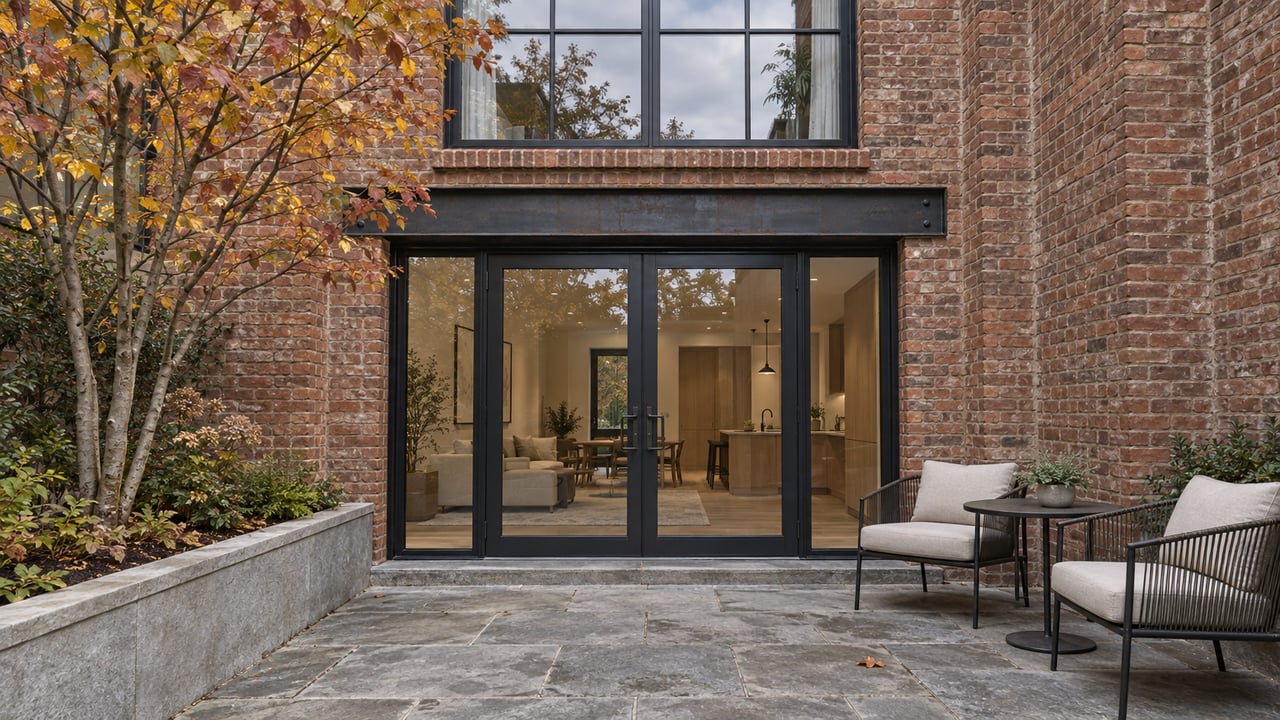
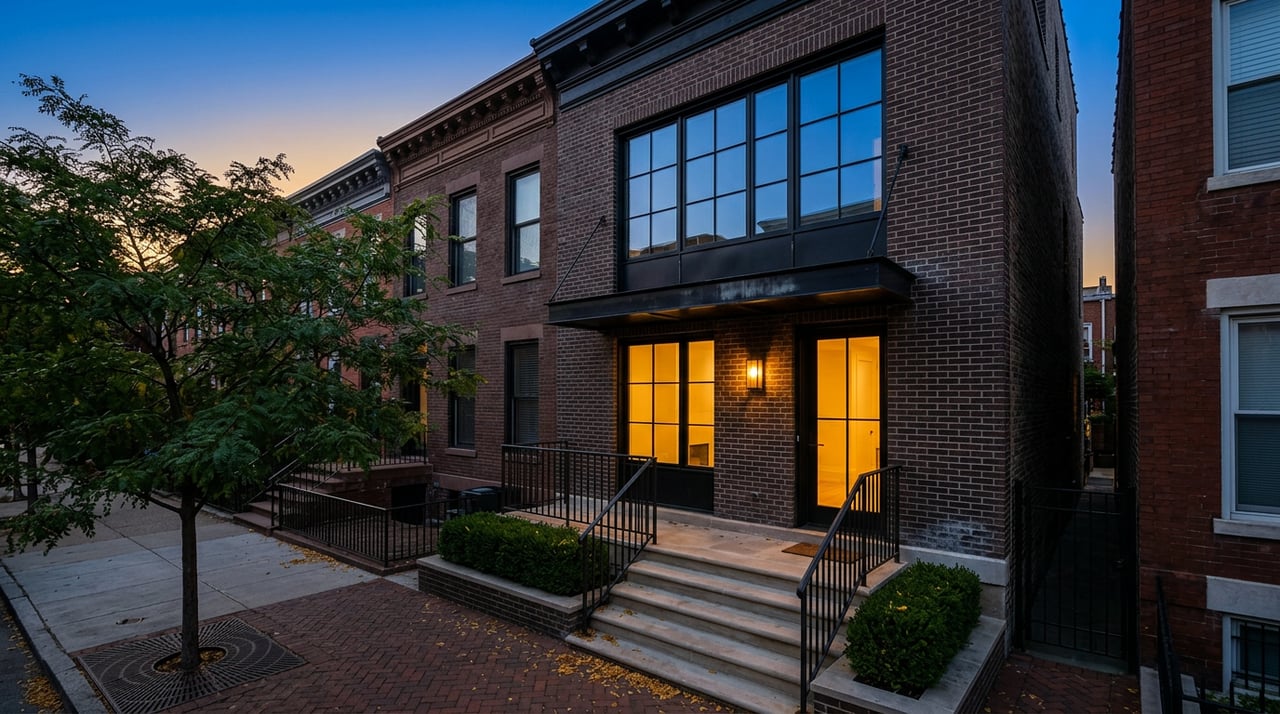
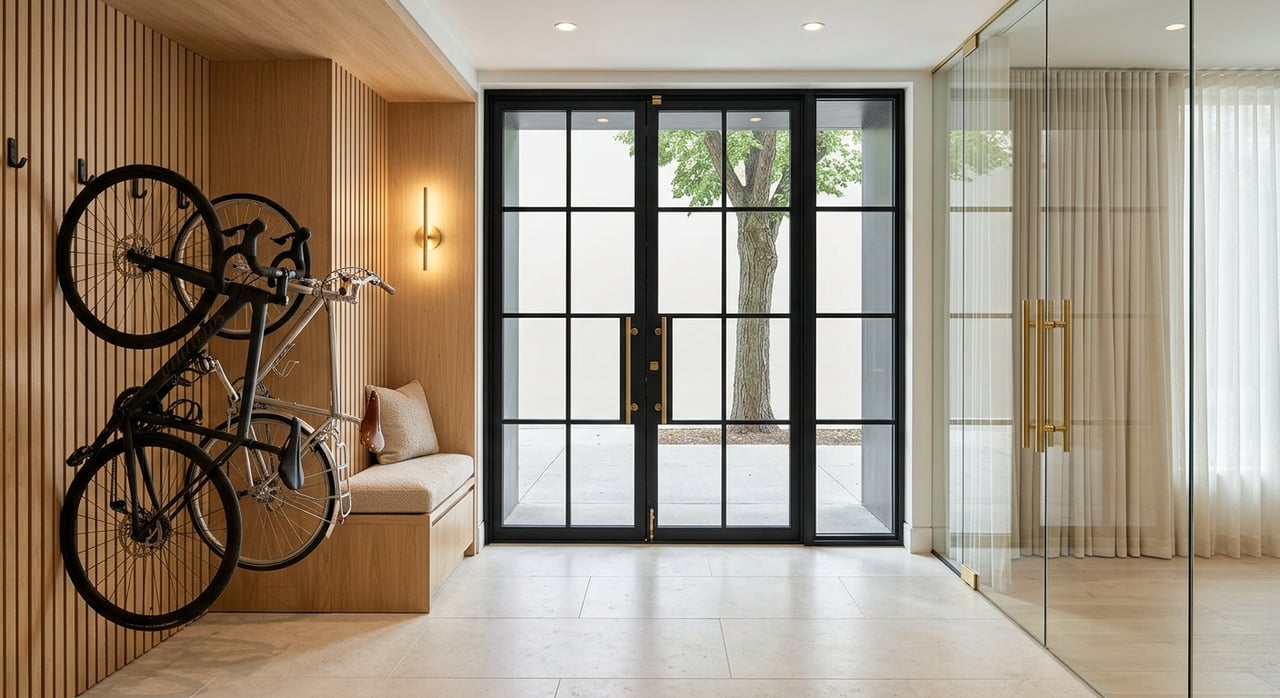
West Loop also continues to add newer residential options. Recent and current buildings in the neighborhood highlight features many car-light buyers value, such as bike storage, secure package handling, coworking areas, fitness space, dog-friendly amenities, on-site storage, and in some cases garage parking.
Examples in the neighborhood show a range of amenity packages. Some emphasize rooftop spaces, attended lobbies, and package lockers, while others focus on coworking, pet amenities, or heated bike storage.
Practical trade-offs to think through
For a car-light routine, your building can either reduce friction or add to it. Loft conversions may offer more character and an older-building feel, while newer condos often prioritize convenience through storage, package management, wellness space, and bike-friendly design.
Neither choice is automatically better. The right fit depends on how you actually live, commute, shop, and spend your free time.
What a car-light week can look like
If you are trying to picture the lifestyle, imagine a week where you walk to pick up groceries, take the CTA to work, use Divvy for a quick connection, meet friends on Randolph, and spend time in a nearby park on the weekend. In West Loop, that routine is realistic because so many essentials and lifestyle destinations are close together.
That does not mean every resident gives up a car. It means the neighborhood gives you options, and in city living, options are what create flexibility.
If you are considering a move to West Loop and want a more tailored read on which buildings best support your lifestyle, Cadey O'Leary Collection offers senior-led, highly personalized guidance for buyers seeking design, convenience, and a smarter fit in Chicago.
FAQs
What makes West Loop good for car-light living in Chicago?
- West Loop works well for car-light living because transit, groceries, parks, dining, and housing are clustered within a compact area, making short trips on foot, by bike, or by rail more practical.
Which CTA stations serve West Loop for daily commuting?
- Key CTA stations near West Loop include Morgan, Clinton, and Ashland on the Green and Pink Lines, with bus connections and access to nearby regional rail hubs.
Where can you buy groceries in West Loop without driving?
- Common grocery and household errand options in West Loop include Whole Foods Market, Mariano’s, and Target Chicago West Loop, with Target also offering a CVS Pharmacy.
What parks support an active routine in West Loop?
- Mary Bartelme Park, Skinner Park, Union Park, and Park No. 569 dog park all support outdoor routines such as walking, recreation, family outings, and dog walking.
Are newer West Loop condos better for car-light living than lofts?
- Newer condos often include convenience features like bike storage, package handling, coworking, and fitness amenities, while lofts may offer more historic character, so the better fit depends on your daily routine and priorities.