Ever notice how some Lincoln Park homes seem to shape your whole routine before you even unpack a box? In this neighborhood, architecture is not just about curb appeal. It influences how much light you wake up to, how many stairs you climb, where you store your bike, and how connected you feel to the street, the park, and the city around you. If you are weighing a classic row home, a greystone flat, or a newer condo, understanding those differences can help you choose a home that fits your daily life. Let’s dive in.
Why Lincoln Park Feels Distinct
Lincoln Park stands apart because its homes and public spaces are closely linked. The neighborhood sits beside Chicago’s largest park, which spans about 1,200 acres and draws more than 20 million visitors each year, according to the Lincoln Park Conservancy. With trails, beaches, dog parks, play lots, museums, the zoo, and the conservatory nearby, daily life here naturally leans outdoors.
That park presence changes how you use your home. You may spend less time looking for private outdoor space if you regularly walk, run, or unwind in the park. You also notice how important entries, stoops, terraces, and street-facing windows become when your neighborhood life extends beyond your front door.
Preservation shapes the experience too. In Chicago landmark districts, permit review typically focuses on significant exterior features visible from the public right-of-way, and the city may recommend setbacks that help preserve district character. In practical terms, that helps many Lincoln Park blocks keep a consistent street edge, even as new development arrives.
How Historic Row Homes Shape Routine
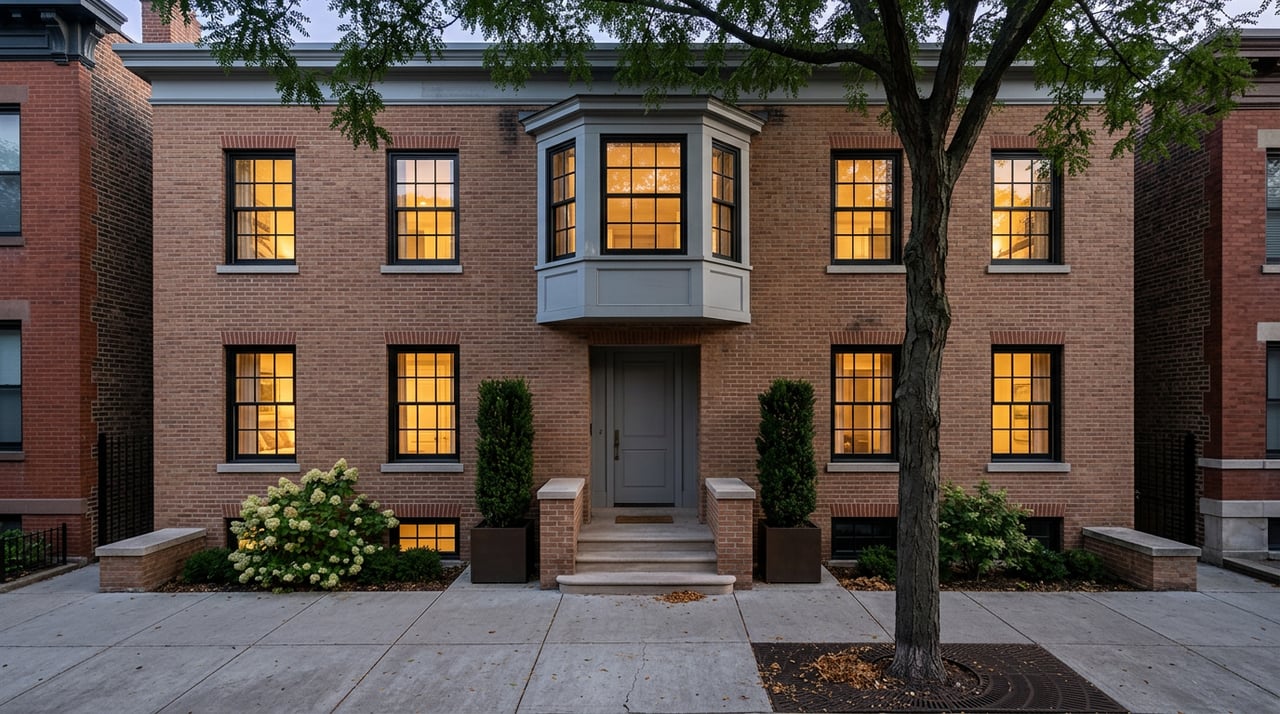
Lincoln Park’s post-Fire row-house districts offer one of the clearest examples of architecture influencing everyday life. The Fremont Row House District, Burling Row House District, and Lincoln Avenue Row House District date to the 1870s and reflect unified design, shared cornices, common setbacks, and early masonry construction. These details do more than look beautiful. They create a residential rhythm that still feels intentional today.
Row Homes Feel Close to the Street
In many row homes, your living experience starts right at the sidewalk. The homes often sit in a consistent line, which creates a strong sense of frontage and makes the street feel orderly and enclosed. That can feel engaging if you enjoy an active, neighborly block presence.
At the same time, living close to the street usually means your front rooms interact more directly with daily neighborhood activity. You may feel more connected to the block, but also more aware of passersby, deliveries, and the pace of city life outside your windows.
Vertical Living Changes the Day
Historic row homes often live vertically, not horizontally. Narrower footprints and stacked floors can mean more stairs between sleeping areas, entertaining rooms, and utility spaces. For some buyers, that layout feels elegant and defined. For others, it is a routine consideration that affects convenience.
These homes also tend to favor separate rooms over one large open plan. That can be appealing if you want distinct zones for work, dining, and quiet time. It also means your home may feel more layered and intimate from floor to floor.
Light Comes From Smart Details
Victorian-era row houses often use features like dormers to bring light and ventilation into upper levels. In a narrow home, that matters. It can make top floors feel more usable and comfortable throughout the day.
If you are comparing homes, this is where architecture becomes personal. A row home may feel brightest upstairs or in specific front and rear exposures, rather than evenly bright throughout. The payoff is character and depth, but the light pattern can be more varied than in newer construction.
Why Greystones and Flats Feel So Practical
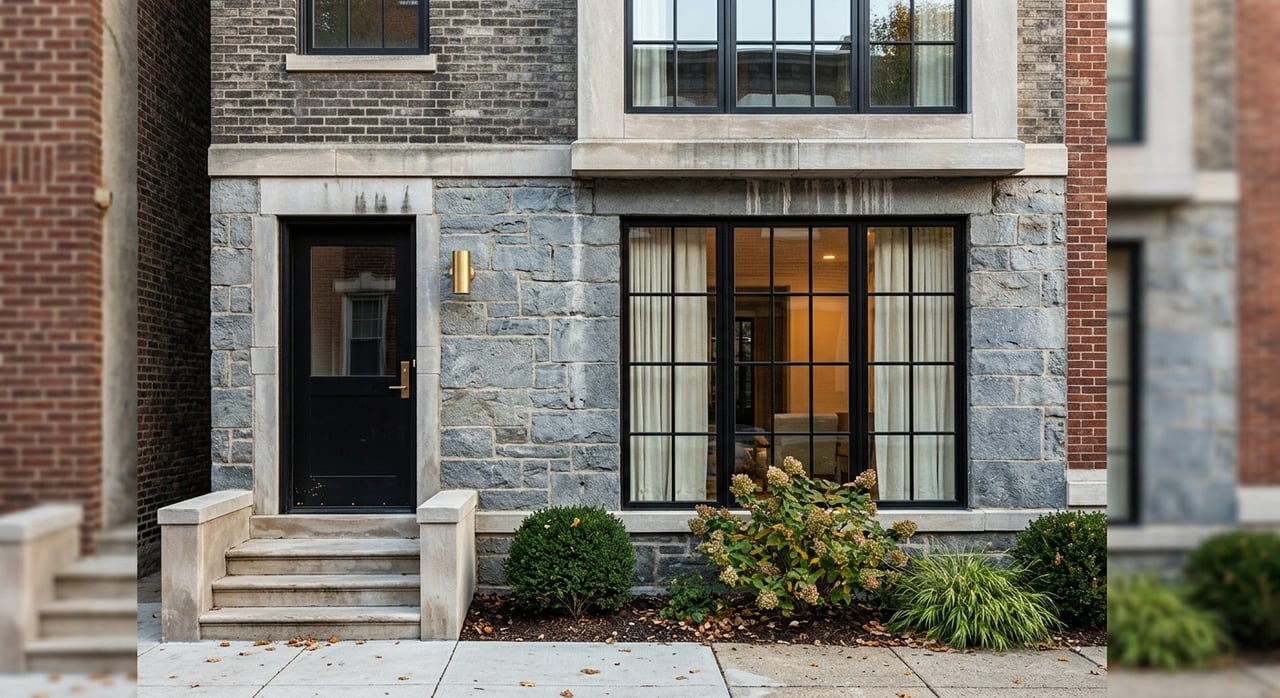
If row homes are intimate and vertical, greystones and flats often hit a practical middle ground. Chicago sources describe greystones as stone-facade residential buildings, usually two or three stories over a raised basement, often with front porches, bay windows, and a side stair hall. Two- and three-flats are also a major part of the city’s housing fabric, with similar low-rise forms that balance street presence and livability.
Bay Windows Improve Light and Outlook
One reason these homes remain so appealing is the way they handle light. Bay windows push outward toward the street, which can help bring in more daylight and create a wider view. In daily life, that can make living rooms or front bedrooms feel brighter and more open.
That design also affects privacy. A bay window lets you look out easily, but it also places your interior closer to the street visually. If you like a sense of connection and natural light, that can be a strength. If privacy is your top priority, you may weigh that differently.
Raised Basements Add Utility
The raised-basement form often gives greystones and flats a practical edge. Lower levels can offer utility space, storage, or flexible-use areas, depending on the building. That can be especially useful for bikes, strollers, coats, seasonal items, and everyday overflow.
For many buyers, this is where older housing outperforms expectations. Even if the layout is not fully open-plan, the building can support daily routines well because it naturally creates separate places for living, storage, and circulation.
Shared Walls and Stairs Matter
Like many classic Chicago building types, greystones and flats often come with stairs and some shared-wall living. That can shape everything from grocery runs to move-in logistics to how sound travels between spaces. It is not necessarily a drawback, but it is part of the lived experience.
The layout usually follows the building’s original circulation pattern too. In other words, the home tells you how to move through it. For many people, that structure feels intuitive. For others, it feels less flexible than a newer residence designed around contemporary open living.
What Modern Condos Change
Modern Lincoln Park condos often reinterpret historic forms while changing the cadence of daily life. The Orchard at Lincoln Common, for example, was designed as a modern take on Chicago’s historic greystones and includes features such as direct elevator access, multiple exposures, covered balconies and terraces, a rooftop garden, heated garage parking, and a 24-hour door attendant. Those features create a very different rhythm from a vintage house.
Convenience Becomes Part of the Design
In a newer condo, architecture often supports ease. Elevators reduce the friction of daily movement. Garage parking simplifies arrivals and departures. Door staff can add a layer of convenience to deliveries, guests, and everyday comings and goings.
That does not just feel luxurious. It changes your schedule in small ways that add up. A home designed around convenience can make urban living feel smoother, especially if you travel often or keep a busy calendar.
Terraces Extend Living Space
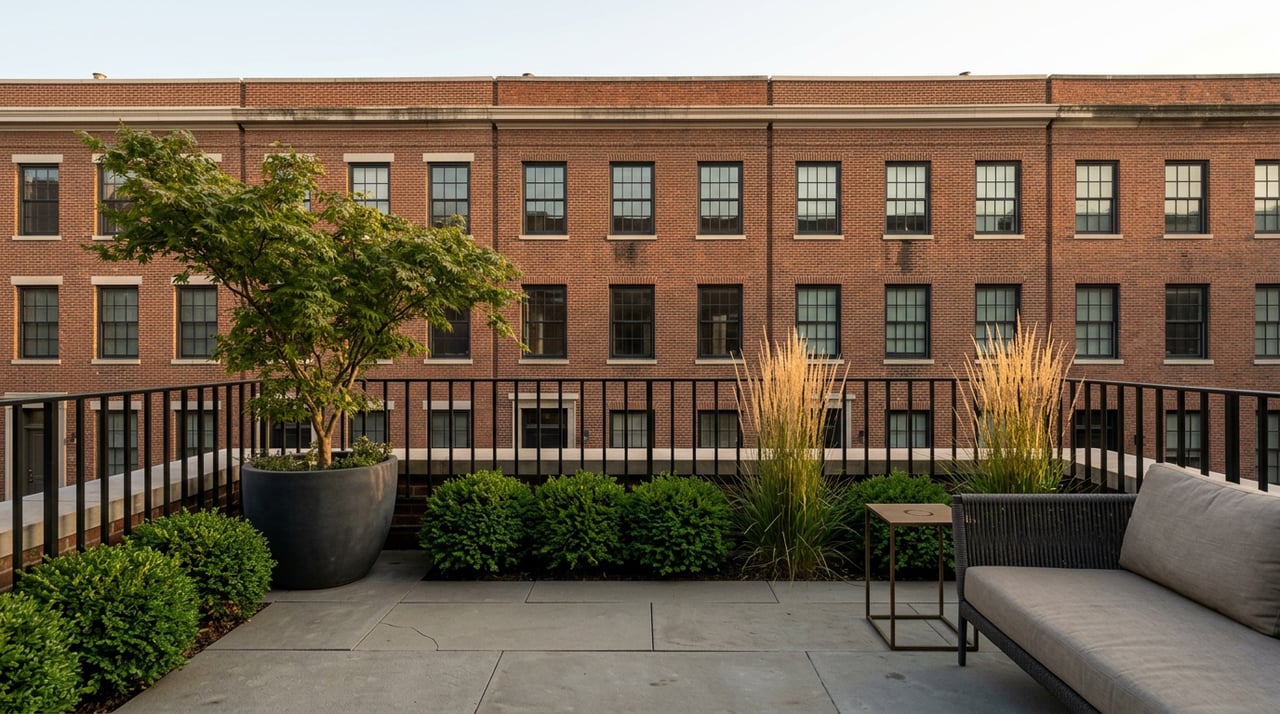
Private outdoor space is one of the clearest differences in many newer luxury condos. Covered balconies, terraces, and rooftop spaces create a stronger indoor-outdoor connection. In Lincoln Park, where the public realm is already such a major part of neighborhood life, that private extension can feel especially valuable.
At 2035 N. Orleans, for example, each residence includes at least one private terrace, and the project combines a restored historic exterior with a modern glass condo building behind it. That pairing shows how new design in Lincoln Park can preserve the feel of the street while giving residents more privacy and outdoor access.
Light Often Feels More Even
Newer condos often prioritize multiple exposures, larger windows, and broader open living areas. That usually creates interiors that feel brighter across more of the home and for more hours of the day. If natural light is high on your list, that design approach can be a major advantage.
It also changes how space feels emotionally. Light-filled open rooms often read as calmer and more expansive. Compared with a vintage home’s sequence of smaller rooms, the experience can feel more effortless and less segmented.
How Preservation Affects What You Can Change
Lincoln Park’s preserved streetscapes are part of its appeal, but they also come with practical implications. In designated landmarks and landmark districts, Chicago’s review process typically focuses on significant exterior architectural features visible from the public right-of-way. That means visible facade changes may face more scrutiny than work not seen from the street.
For you as an owner or buyer, this matters when you think about windows, doors, facade alterations, or additions that affect the building’s street-facing appearance. The result is often positive for the neighborhood’s visual consistency. Still, it is worth understanding early if you value flexibility in exterior design.
Choosing the Right Fit for Your Lifestyle
The best Lincoln Park home is not simply the prettiest one. It is the one whose architecture supports the way you actually live.
Here is a simple way to think about it:
- Historic row home: Best if you love character, defined rooms, and a strong connection to the street.
- Greystone or flat: Best if you want classic Chicago architecture with practical storage, solid light, and a balanced layout.
- Modern condo: Best if you prioritize convenience, privacy buffers, outdoor terraces, parking, and lighter open interiors.
In Lincoln Park, those choices feel especially vivid because the neighborhood’s architecture is so legible. You are not just choosing square footage. You are choosing how you move through your mornings, where you put daily essentials, how much privacy you want, and how your home relates to one of Chicago’s most iconic public landscapes.
When you are buying or selling in a design-driven neighborhood like Lincoln Park, those details matter. The right guidance can help you read beyond finishes and see how a home will actually live over time. If you are considering your next move in Lincoln Park, Cadey O'Leary Collection brings a thoughtful, design-aware perspective to the process.
FAQs
How does Lincoln Park architecture affect daily life?
- Lincoln Park architecture affects daily life by shaping light, privacy, storage, stairs, outdoor access, and how closely your home connects to the street and park.
What is daily life like in a Lincoln Park row home?
- Daily life in a Lincoln Park row home often includes more vertical living, defined rooms, closer street connection, and less yard space to maintain.
Why do Lincoln Park greystones feel so practical?
- Lincoln Park greystones often feel practical because bay windows improve street-facing light, raised basements can add utility space, and the layouts create a clear split between living and storage areas.
What makes modern Lincoln Park condos different from vintage homes?
- Modern Lincoln Park condos often offer brighter open interiors, elevators, terraces, garage parking, and service-oriented features that can simplify everyday routines.
How does landmark status affect Lincoln Park homes?
- For designated landmarks and landmark districts in Chicago, review typically focuses on significant exterior features visible from the public right-of-way, which can affect some street-facing exterior changes.
Which Lincoln Park home type is best for privacy and convenience?
- In general, newer condos often provide stronger privacy buffers and more convenience features, while vintage homes may offer more street connection and architectural character.