Wondering whether Old Town or Lincoln Park fits your lifestyle better? If you are choosing a North Side home base, this decision often comes down to how you want your days to feel, not just what shows up in a listing search. From housing style and commute patterns to green space and nightlife, here is a clear look at what sets these two Chicago neighborhoods apart so you can narrow your search with confidence. Let’s dive in.
Old Town vs. Lincoln Park at a Glance
If you are deciding between Old Town and Lincoln Park, the biggest difference is the rhythm of daily life. Old Town offers a compact, historic setting with a denser feel and a stronger nightlife presence. Lincoln Park is larger, greener, and offers more variety in housing and transit access.
For many buyers, the choice is not about which neighborhood is better. It is about which one aligns more closely with how you live, commute, entertain, and spend your weekends.
Old Town Feel and Housing
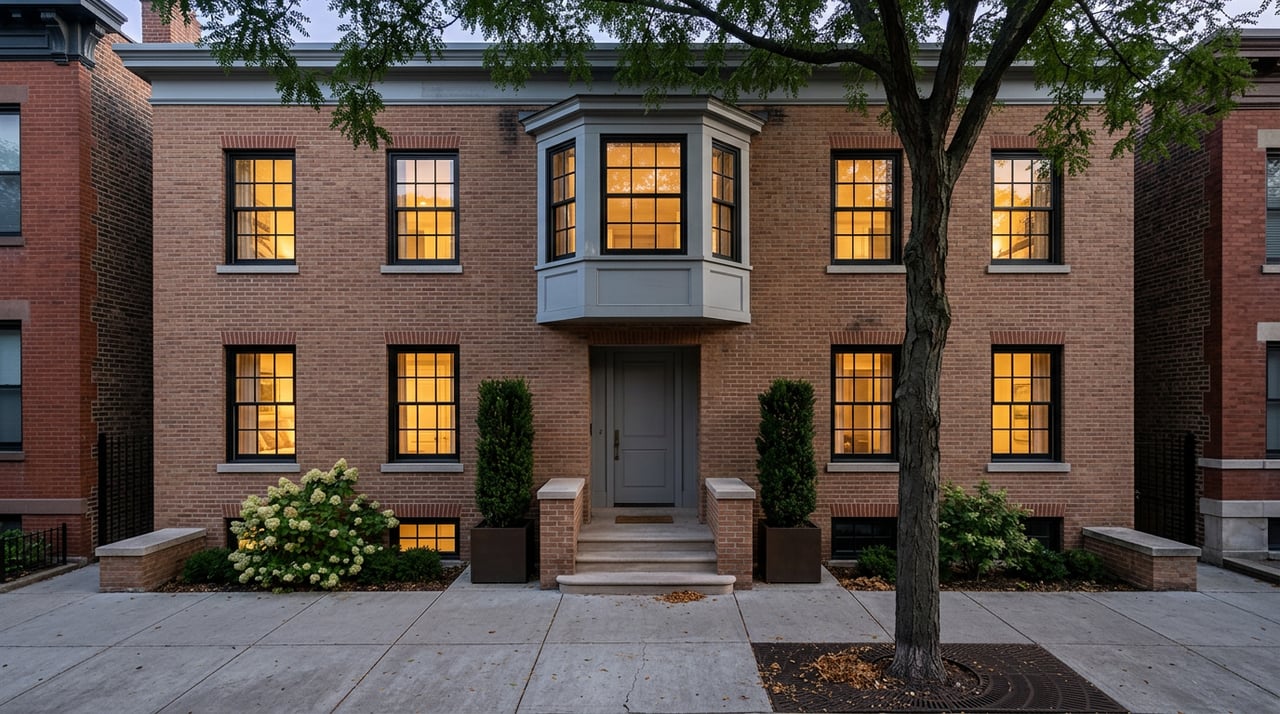
Old Town stands out for its preserved historic identity. The City of Chicago describes the Old Town Triangle landmark district as a collection of workers’ cottages, brick and stone houses, rowhouses, and apartment buildings along narrow, tree-lined streets. If you value architectural continuity and an older street pattern, that character is a major draw.
The broader Near North Side housing profile also helps explain Old Town’s feel. About 82.3% of housing units are in buildings with 50 or more units, while only 4.2% are single-family homes. The median year built is 1987, and the area has a higher share of renter-occupied households than owner-occupied ones, which points to a more condo- and apartment-oriented environment.
In practical terms, Old Town often appeals to buyers who want a more urban, close-in experience. You may find the neighborhood especially compelling if you like historic blocks paired with easy access to restaurants, entertainment, and downtown.
Lincoln Park Housing Variety
Lincoln Park offers a broader housing mix. According to CMAP data, 20.2% of housing is single-family detached, 17.8% is in two- to four-unit buildings, 29.7% is in buildings with 5 to 49 units, and 32.1% is in buildings with 50 or more units. That balance gives you more choices across detached homes, townhomes, vintage walk-ups, and larger condo buildings.
The median year built in Lincoln Park is 1970, and 45.5% of households are owner-occupied. Compared with the Old Town side, Lincoln Park reads as more varied in both scale and building type. If you want flexibility in the kind of home you buy, Lincoln Park generally offers a wider menu.
This can matter even more in the luxury market. If you are comparing high-design condos, renovated vintage homes, or newer construction, Lincoln Park tends to offer more product diversity within one neighborhood.
Walkability and Commute Differences
Both neighborhoods support a walkable city lifestyle. Lincoln Park performs especially well on this front, with 99.8% of resident and job locations classified by CMAP as high walkability. That supports what many buyers already sense when they spend time there.
Commute data shows both areas are deeply urban in how people get around. In Lincoln Park, 26.7% of workers commute by transit and 8.0% by walk or bike, with a mean commute time of 30.9 minutes. In the broader Near North Side profile, 26.7% commute by transit and 25.6% by walk or bike, with a mean commute time of 25.0 minutes.
That difference suggests Old Town may feel a bit more immediate to downtown in daily life. Lincoln Park still offers strong transit use, but the average commute runs longer. If shaving time off your morning matters, that may influence your search.
CTA Access by Neighborhood
Old Town has concentrated CTA access that works well for buyers who want straightforward rail connections. Clark/Division gives you Red Line service, and Sedgwick adds Brown and Purple line access. For many residents, that creates a convenient transit setup without needing many transfer points.
Lincoln Park offers more rail-node flexibility. CTA stations in and around the neighborhood include Armitage on the Brown and Purple lines, plus Fullerton on the Red, Brown, and Purple lines. If you want more than one station or line option within a short distance, Lincoln Park has the edge.
That added flexibility can be useful if your routine changes often. Whether you commute, meet clients, or move around the city frequently, multiple rail options can make daily planning easier.
Green Space and Outdoor Living
If outdoor access is high on your list, Lincoln Park has the stronger case. CMAP land-use data shows open space makes up 10.3% of Lincoln Park’s land area, compared with 2.8% in the broader Near North Side area. On a macro level, Lincoln Park is plainly the greener setting.
It also offers stronger park access by the numbers. CMAP’s analysis found 3.93 accessible park acres per 1,000 residents in Lincoln Park, above Chicago’s citywide average of 2.42. That is meaningful if you want more room for walking, running, or spending time outside close to home.
Lincoln Park also benefits from major lakefront amenities. The neighborhood includes North Avenue Beach, along with smaller local parks like Jonquil Park and the Diversey Natural Area. If your ideal weekend includes the lakefront trail, beach access, or larger open spaces, Lincoln Park checks more boxes.
Old Town Outdoor Experience
Old Town still offers neighborhood green space, just on a smaller scale. Seward Park totals 8.79 acres and includes two gyms, a dance studio, club rooms, a playground, softball and soccer fields, and outdoor basketball standards. That gives nearby residents useful recreational space within a denser part of the city.
Combined with the Old Town Triangle’s tree-lined streets, the outdoor feel in Old Town is more intimate than expansive. If you prefer a neighborhood setting with smaller parks and historic streetscapes, that may be enough. If you want broad open space and lakefront access, Lincoln Park is more likely to fit.
Dining and Nightlife Style
Old Town is the more nightlife-forward choice. Wells Street acts as the neighborhood’s main corridor for eating, drinking, and entertainment, with a concentration of bars, restaurants, and venues including The Second City. That setup gives Old Town a compact, ready-made night-out feel.
For some buyers, that energy is a major lifestyle advantage. You can step into a lively restaurant and entertainment scene without covering much ground. If you want a neighborhood that feels activated in the evening, Old Town makes a strong case.
Lincoln Park’s dining scene is broader and more distributed. The Lincoln Park Chamber of Commerce maps restaurants across several corridors, including North-Clybourn, Lakefront-Clark, Lincoln-Halsted, and Armitage-Halsted. That pattern makes Lincoln Park feel less like a single nightlife strip and more like a neighborhood with multiple daily-use dining pockets.
Which Neighborhood Fits Your Lifestyle?
If you are drawn to historic street character, denser urban living, and a more entertainment-driven atmosphere, Old Town may feel like the better fit. It offers a strong sense of place, concentrated dining and nightlife, and a slightly more immediate connection to downtown based on average commute time.
If you want more housing variety, more open space, and more rail options, Lincoln Park often comes out ahead. It gives you broader residential choice, stronger park and lakefront access, and a highly walkable environment with multiple transit nodes.
The right answer depends on what you want your home base to do for you. Some buyers want charm and energy in a tighter footprint. Others want more room to choose, more outdoor access, and a neighborhood with several distinct pockets.
When you are comparing Old Town and Lincoln Park at a high level, small differences in block feel, building type, and daily convenience can shape the entire experience of living there. That is where thoughtful, local guidance matters most.
If you are weighing Old Town against Lincoln Park and want a more tailored point of view, Cadey O'Leary Collection can help you compare housing options, lifestyle fit, and market positioning with clarity.
FAQs
What is the main difference between Old Town and Lincoln Park?
- Old Town is generally more compact, historic, and nightlife-oriented, while Lincoln Park offers more housing variety, more green space, and more rail options.
Is Lincoln Park or Old Town better for outdoor space?
- Lincoln Park has more open space overall, more accessible park acreage per resident, and lakefront amenities including North Avenue Beach.
Does Old Town or Lincoln Park have more housing options?
- Lincoln Park has a more balanced housing mix, including single-family homes, small multi-unit buildings, mid-size buildings, and larger condo buildings.
Is Old Town closer to downtown Chicago in daily feel?
- Based on commute data from the broader Near North Side, Old Town tends to feel more immediate to downtown, with a shorter mean commute time than Lincoln Park.
Which neighborhood has better CTA access: Old Town or Lincoln Park?
- Old Town has direct access through Clark/Division and Sedgwick, while Lincoln Park offers more line and station flexibility through stations like Armitage and Fullerton.
Is Old Town or Lincoln Park better for dining and nightlife?
- Old Town has a more concentrated nightlife and entertainment scene, while Lincoln Park offers a broader dining pattern across several commercial corridors.