If you want a Chicago home that works beautifully for weekends, work trips, and spontaneous city time, Gold Coast deserves a close look. For many buyers, the goal is not more space. It is easier living, better access, and a home base that feels elevated without asking for constant attention. This guide will walk you through what matters most when buying a pied-a-terre in Gold Coast, from building type to carrying costs to the questions you should ask before you make an offer. Let’s dive in.
Why Gold Coast Works for a Pied-a-Terre
Gold Coast offers a compact version of classic Chicago living. You have lakefront access, historic streetscapes, shopping, dining, and transit all within a walkable area.
That mix is a major reason the neighborhood works so well for part-time owners. If you are not living in the city full time, convenience often matters more than square footage. In Gold Coast, you can prioritize a home near daily essentials, restaurants, the lake, and the CTA, then lock the door and return to the same lifestyle rhythm when you are back.
The neighborhood also connects well for buyers who come and go regularly. The CTA Red Line serves the nearby Clark/Division station, which is accessible and connected to bus service. That can make quick arrivals and departures much easier if you split your time between Chicago and another primary residence.
What Kind of Building Fits You
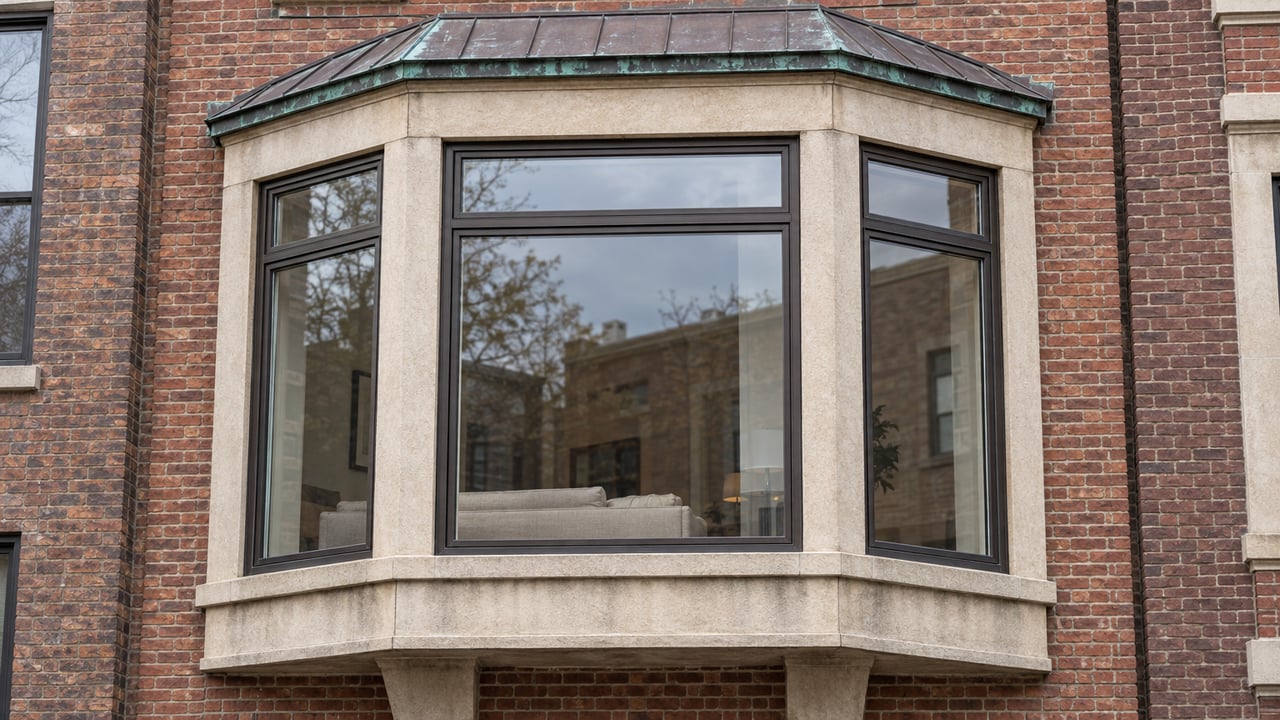
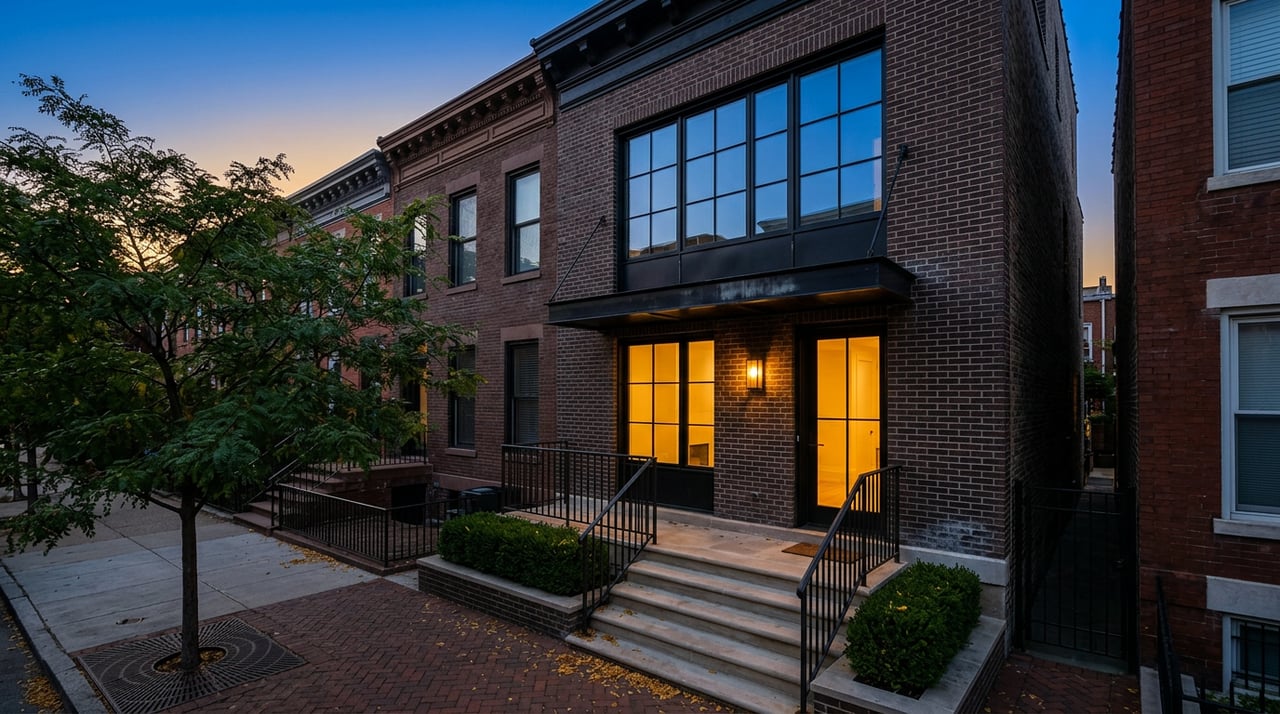
Gold Coast has a broad mix of housing stock, and that matters when you are buying a pied-a-terre. In and around the Astor Street District, you may see 19th-century houses, 20th-century apartment buildings and townhouses, plus many surrounding high-rise residential buildings from roughly 1960 to 1980.
For buyers, that means your search may include everything from a historic conversion to a more service-oriented tower. Neither is automatically better. The right choice depends on how you want to live, what level of maintenance feels comfortable, and how much flexibility you want for future updates.
Historic Buildings and Character
Historic and landmarked properties can offer architecture and detail that feel hard to replicate. If design and character are high on your list, these homes can be deeply compelling.
At the same time, landmark status can affect future exterior work. In Chicago landmark buildings or districts, significant historical and architectural features are reviewed through the permit process, and in landmark districts that typically applies to exterior elevations visible from the public right-of-way. Routine maintenance like painting and minor repairs generally does not require a building permit, but larger exterior changes should be considered early.
High-Rises and Simplicity
For many pied-a-terre buyers, a high-rise can feel more straightforward. If your goal is ease, a building with established systems, predictable services, and less exterior complexity may suit your lifestyle better.
This is especially true if you want a home that can sit unoccupied for stretches without much day-to-day oversight. The key is to understand the building’s rules, financial condition, and upcoming projects before you commit.
Focus on Carrying Costs, Not Just Price
The purchase price is only part of the decision. With a Gold Coast pied-a-terre, your monthly and annual carrying costs deserve just as much attention.
Many buyers look first at assessments, but the better question is what those assessments actually support. In a condo building, the real cost picture may include regular assessments, possible future capital needs, property taxes, parking, storage, and any services billed separately.
Read the Illinois Condo Disclosures Carefully
In Illinois condo sales, the association disclosure package is one of the most important parts of your review. Under Section 22.1 of the Illinois Condominium Property Act, a seller must provide prospective buyers, on demand, with key association documents and disclosures.
Those items include:
- The declaration, bylaws, and rules
- Unpaid assessments and other charges
- Anticipated capital expenditures in the current or next two fiscal years
- Reserve fund status
- The association’s financial condition
- Pending suits or judgments
- Insurance coverage
- A statement about compliance of prior alterations
For a part-time owner, this package helps you evaluate how stable the building may be and whether future costs could rise. A building with thin reserves or major work on the horizon may carry a very different cost profile than the monthly assessment alone suggests.
Plan for Property Taxes Realistically
If you are buying a true second home, property taxes need extra attention. Cook County’s Homeowner Exemption generally applies only if you occupy the property as your principal place of residence.
That means many pied-a-terre buyers should budget as though the exemption will not apply. If the unit is not your primary home, your tax bill may be higher than a buyer expects at first glance.
Treat Parking and Storage Separately
In Gold Coast, parking and storage should never be assumed. They should be confirmed.
Ask whether parking is included, deeded separately, leased, or billed through the association. The same goes for storage, service costs, and any other line items that affect how the home functions for your lifestyle.
Ask the Right Questions Before You Offer
When a property feels turnkey, it is easy to focus on finishes and move quickly. But with a pied-a-terre, the building itself matters just as much as the unit.
The best time to surface issues is before you make an offer or as early in diligence as possible. Start with the condo documents and review them carefully with your attorney or advisor.
Questions That Matter Most
Here are some of the most useful questions to ask:
- What are the current reserves?
- Are any special assessments pending?
- Are major capital projects planned in the current or next two fiscal years?
- Is there any pending litigation or any judgments involving the association?
- What insurance coverage is in place?
- What approvals are required for renovations or prior alterations?
- What is included in the monthly assessment, and what is billed separately?
These questions align directly with the Illinois condo disclosure framework. They can help you understand whether a building supports the low-friction ownership experience many pied-a-terre buyers want.
Ask More if the Building Is Historic
If the building is located in a landmark district or is a designated landmark, add another layer of questions. Ask how the association handles items like window work, façade repairs, balconies, and other visible exterior elements.
Even if the unit itself needs little or no work, exterior review processes can affect project timing and approvals later. That does not mean you should avoid historic buildings. It simply means you should understand the process before you buy.
How to Think About the Right Gold Coast Choice
The best Gold Coast pied-a-terre is rarely the one with the most space. More often, it is the one that matches how you actually use the city.
If you want to walk to the lake, slip out for dinner, reach transit easily, and return to a home that feels polished and manageable, Gold Coast checks many of the right boxes. The neighborhood’s mix of lakefront access, dining, shopping, and transit is what gives it lasting appeal for part-time owners.
The finer point is choosing the right building within that setting. A beautiful address is only part of the story. You also want a building whose rules, financial condition, and maintenance outlook align with the simplicity and predictability you are hoping to buy.
If you are considering a Gold Coast pied-a-terre, a curated, building-first approach can save time and reduce surprises. The right guidance can help you narrow not only by style and location, but also by the ownership experience each building is likely to deliver.
If you are exploring a Gold Coast purchase and want senior-level guidance tailored to your lifestyle and priorities, connect with Cadey O'Leary Collection.
FAQs
What makes Gold Coast a good Chicago pied-a-terre location?
- Gold Coast combines lakefront access, walkability, shopping, dining, nightlife, and CTA access in a compact area, which can make it especially practical for part-time city living.
What should you review before buying a Gold Coast condo?
- You should review the Illinois condo disclosure package closely, including reserves, anticipated capital expenditures, financial condition, pending litigation, insurance coverage, rules, and any unpaid assessments or charges.
Does a Gold Coast second home qualify for the Cook County Homeowner Exemption?
- Usually not, unless the property is your principal place of residence.
Can you renovate a Gold Coast landmark property?
- Yes, but work affecting significant exterior historical or architectural features may be reviewed through Chicago’s permit process, especially in landmark districts.
Why do condo reserves matter for a Gold Coast pied-a-terre?
- Reserve levels help you understand the association’s financial readiness for repairs and capital projects, which can affect the true cost and predictability of ownership.
Should you assume parking is included with a Gold Coast condo?
- No. You should confirm whether parking, storage, or other services are included, billed separately, deeded, or leased through the building.