Thinking about Bucktown or Wicker Park? These neighboring Chicago areas offer a very specific kind of city living: walkable streets, strong design character, late-night energy, and a housing mix that can change block by block. If you are trying to decide whether the lifestyle fits you, it helps to look beyond the buzz and understand how the neighborhoods actually feel day to day. This guide will walk you through the atmosphere, housing, transit, outdoor space, and market context so you can picture what living here is really like. Let’s dive in.
Bucktown and Wicker Park at a Glance
Bucktown and Wicker Park are often talked about together, and for good reason. They share a lively, creative identity shaped by walkable commercial corridors, independent shops, dining, music venues, and a strong mix of old and new architecture.
Official neighborhood and tourism materials consistently describe the area as artsy, busy, and browse-friendly. You will find vintage stores, record shops, bookstores, coffee houses, art galleries, live music, speakeasies, clubs, and dive bars, all layered into a district that feels active well beyond business hours.
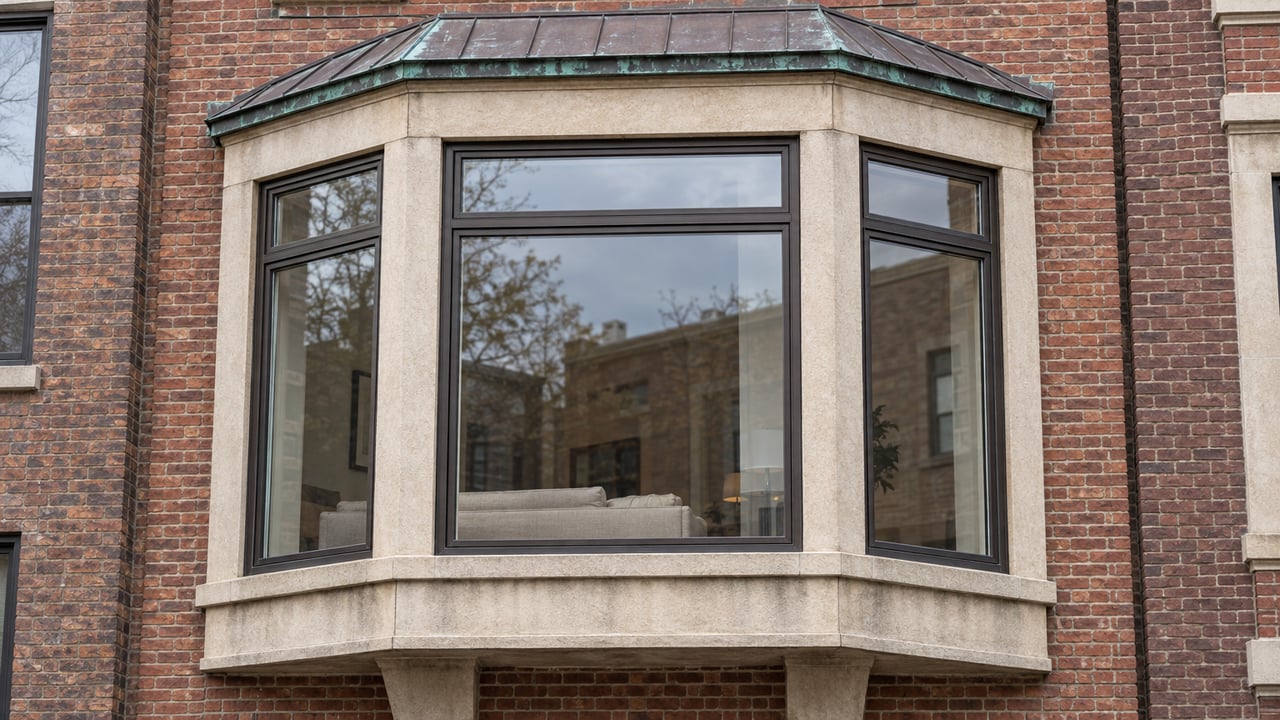
Bucktown, in particular, is often framed as a tree-lined neighborhood northwest of downtown with older Chicago character and modern energy. Wicker Park adds a landmarked architectural backdrop that gives parts of the area a more historic streetscape.
Everyday Life in Bucktown and Wicker Park
Walkable routines shape the lifestyle
One of the biggest draws here is how much of daily life can happen on foot. Coffee runs, dinner plans, boutique shopping, and casual browsing can all be part of the same afternoon, which gives the neighborhood a steady, social rhythm.
The retail identity leans heavily toward independent businesses rather than big-box convenience. Neighborhood guides regularly highlight vintage stores, small boutiques, record shops, Myopic Books, and Una Mae’s as part of the local experience.
Coffee, dining, and neighborhood staples
Food and coffee are central to the pace of life in both neighborhoods. Bucktown guides call out Ipsento Coffee, while broader neighborhood roundups often mention spots such as Oro Chocolate & Coffee, Big Star Wicker Park, Dove’s Luncheonette, Club Lucky, Pompette, and Ina Mae Tavern.
That mix tells you something important about the area. You are not choosing a neighborhood built around one single scene. Instead, you get a range of casual, stylish, and long-standing places that support everything from a quick weekday stop to a night out with friends.
Arts and music are part of the fabric
In Bucktown and Wicker Park, arts and culture are part of the neighborhood identity, not just an occasional event. The Wicker Park Bucktown Chamber describes the area as having a high concentration of murals and public art, which adds visible character to everyday streets.
The chamber’s First Fridays Art Walk brings people into spaces such as Jackson Junge Gallery and SoNa Chicago Contemporary Art. On the music side, neighborhood guides point to venues like Subterranean and Concord Music Hall, reinforcing the area’s reputation for live entertainment.
Nightlife keeps the area active
If you prefer a quieter, early-to-bed environment, this is an important point to weigh. Wicker Park and Bucktown are known for nightlife that runs late, with pubs, clubs, indie music venues, rooftops, speakeasies, and dive bars all part of the mix.
That energy is a major advantage for many buyers because it makes the neighborhood feel active and connected. At the same time, the experience can vary by block, so your exact location within the neighborhood matters.
The 606 Adds Outdoor Space
One of the area’s most important outdoor amenities is The 606, also known as the Bloomingdale Trail. According to the Chicago Park District, the elevated trail runs 2.7 miles and is open daily from 6 a.m. to 11 p.m.
For residents, that means easy access to a linear park experience that supports walking, running, biking, and neighborhood connection. The trail also includes art installations and links four communities, which gives it both recreational and civic value.
In practical terms, The 606 adds breathing room to a dense urban setting. If you want neighborhood energy without giving up access to outdoor movement and open-air routines, this is a meaningful part of the lifestyle equation.
What the Housing Stock Looks Like
Historic homes and older Chicago forms
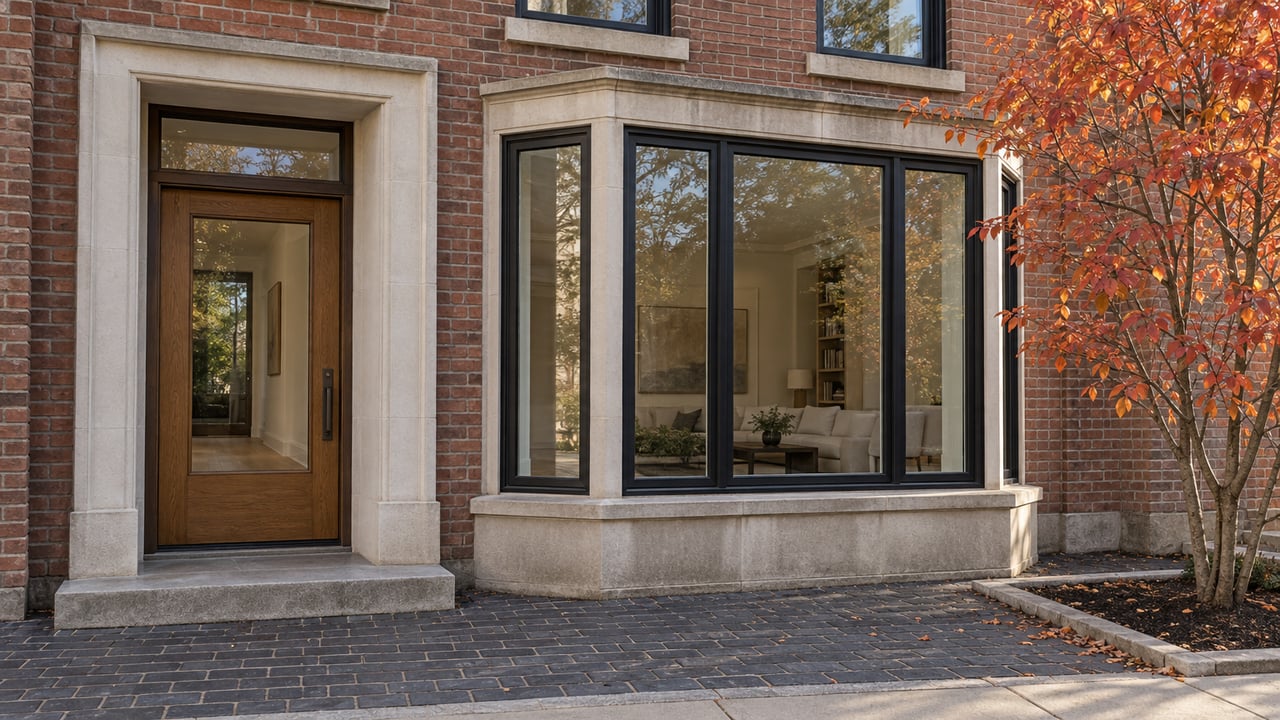
The built environment in Bucktown and Wicker Park is layered, and that is a big part of the appeal. In Wicker Park, the landmark district spans 1870 to 1930 and preserves notable Victorian-era architecture, including Beer Baron Row and other historic residences.
You will also still see smaller, older residential buildings tied to Chicago’s worker’s cottage tradition in West Town. On some side streets, that older housing stock gives the area a more intimate residential feel than you might expect from the commercial energy nearby.
Lofts, condos, and newer infill
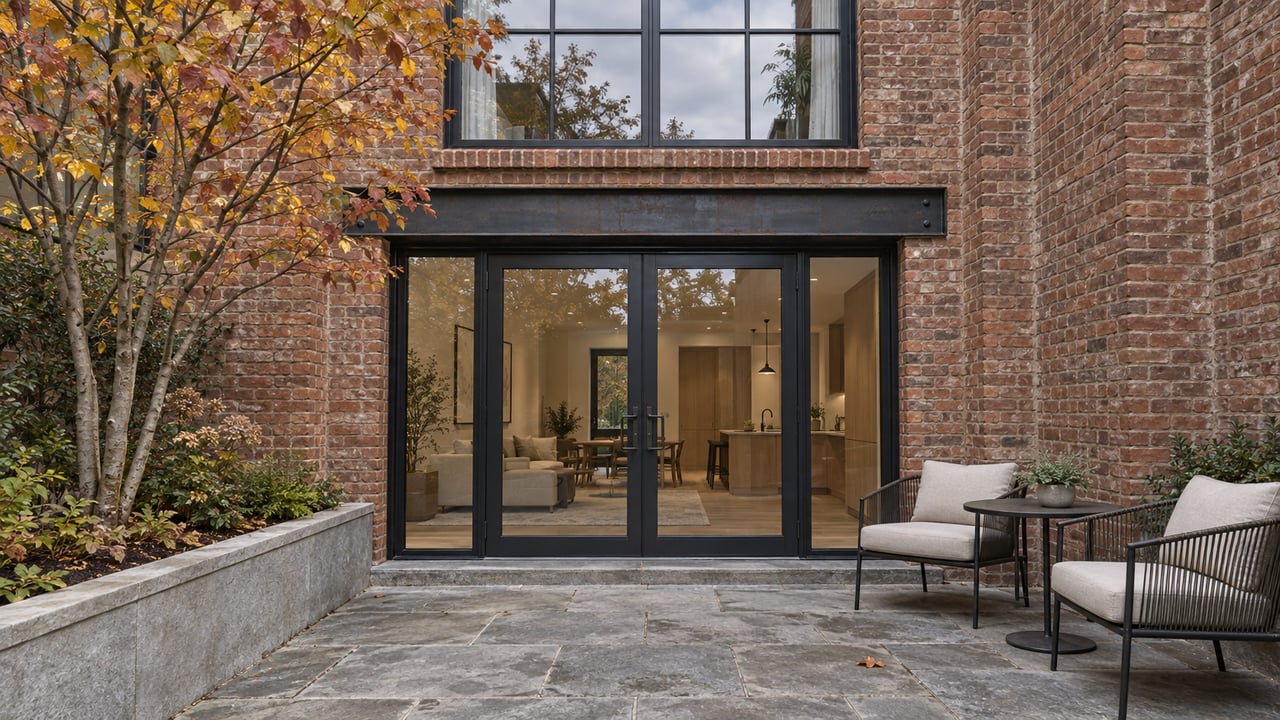
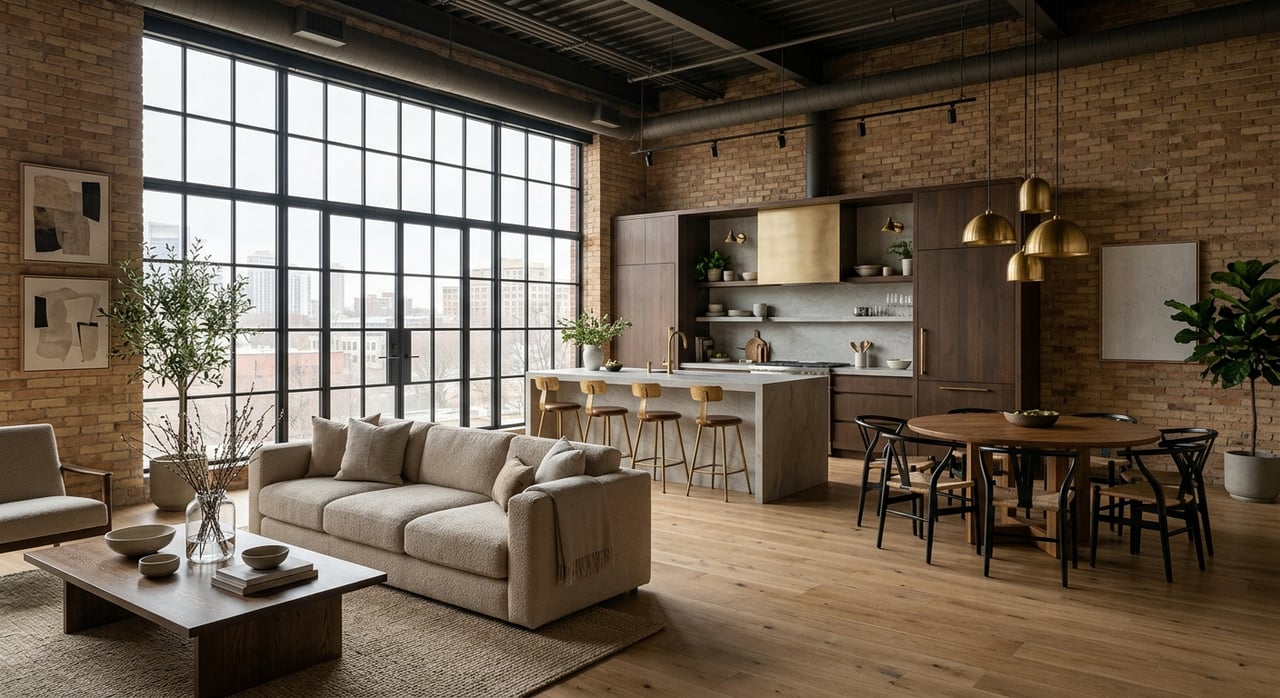
Alongside that historic layer, the modern market is diverse. Recent sales examples in Bucktown and Wicker Park include loft condos, timber lofts, concrete lofts, penthouses, single-family homes, and multi-unit properties.
That variety matters if you are comparing lifestyle as much as square footage. One block may offer historic walk-ups and cottages, while the next leans toward loft conversions or newer condo buildings with a more contemporary feel.
Why the mix matters for buyers
For buyers, this is not a one-note housing market. It is a neighborhood where architectural texture is part of the search, and where the right fit often comes down to your preferred balance of character, finish level, scale, and street activity.
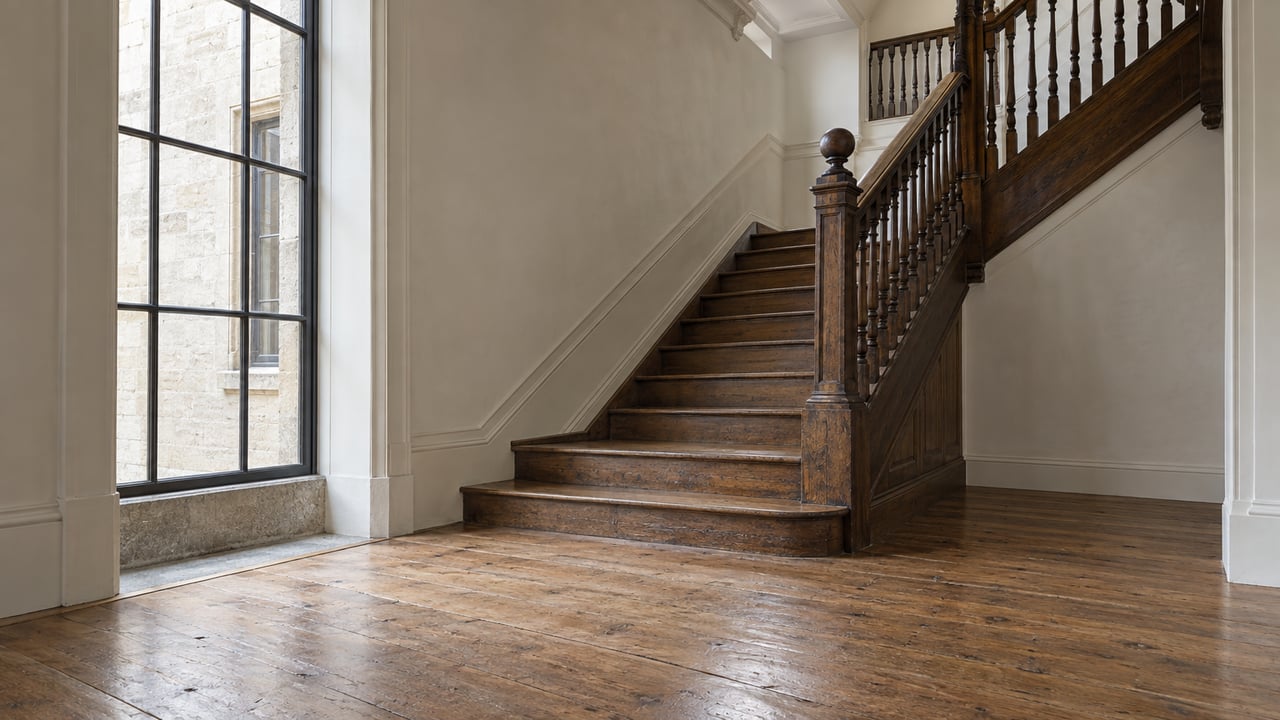
If you are design-sensitive, the appeal is often in that contrast. Bucktown and Wicker Park give you a blend of preserved Chicago character and newer housing options that can feel more polished or turnkey, depending on the building and block.
Transit and Getting Around
Transit is one of the strongest practical advantages of living here. The CTA says the Blue Line provides 24-hour service, and the neighborhood is served by the Damen, Division, and nearby Western stations, each with bus connections.
That setup supports a car-light lifestyle for many residents. It can also make commuting downtown or moving around the city easier if you value flexibility and do not want every trip to depend on driving.
Combined with the area’s walkability, transit access is a major reason these neighborhoods remain in high demand. You get an urban lifestyle that feels connected, not isolated.
Market Context to Know
Bucktown and Wicker Park sit firmly in a high-demand urban price bracket, but it is important to read market snapshots carefully. Recent figures vary by source and metric, including a reported Bucktown median sale price of $697,500 in March 2026, a Wicker Park median listing price of $699,000, and a separate Bucktown median listing price of $962,000.
Those numbers are not direct apples-to-apples comparisons because they come from different measures and dates. Still, they point in the same direction: buyers are looking at a competitive market where neighborhood appeal, housing type, and exact location can meaningfully affect pricing.
For anyone considering a move here, the takeaway is simple. You want to evaluate value at the micro level, especially when comparing historic homes, loft product, and newer condos that may deliver very different living experiences.
Who Bucktown and Wicker Park Fit Best
These neighborhoods tend to appeal to buyers who want neighborhood energy, architectural character, and strong transit access. If you picture your ideal day including coffee shops, boutiques, music, dining, and a walkable street life, Bucktown and Wicker Park can be a strong match.
They may be less ideal if your priority is a quiet, low-key residential environment with minimal nightlife activity. The area’s identity is tied to movement, creativity, and a steady stream of things to do.
That does not mean every block feels the same. It means your home search should be specific and intentional, with close attention to the exact street, building type, and daily rhythm you want.
Final Thoughts on Living Here
Living in Bucktown or Wicker Park means choosing a part of Chicago that feels expressive, active, and visually layered. You get walkability, transit convenience, independent retail, live music, public art, and a housing stock that ranges from Victorian-era homes to lofts and newer condos.
For many buyers, that combination is exactly the point. These neighborhoods offer a lifestyle with texture and momentum, where the setting can feel just as important as the square footage.
If you are considering Bucktown or Wicker Park and want a more tailored read on specific blocks, housing types, or current opportunities, Cadey O'Leary Collection offers senior-led, highly curated guidance for buyers who want clarity, discretion, and a more precise search experience.
FAQs
What is the overall vibe of living in Bucktown and Wicker Park?
- Bucktown and Wicker Park are widely described as walkable, artsy, busy, and full of independent shops, dining, music venues, and nightlife.
What kinds of homes can you find in Bucktown and Wicker Park?
- The housing stock includes Victorian-era homes, worker’s cottages, loft condos, timber and concrete lofts, penthouses, single-family homes, and newer condo buildings.
Is Bucktown or Wicker Park good for car-light living in Chicago?
- Yes. The area is served by the CTA Blue Line with 24-hour service, including Damen, Division, and nearby Western stations, plus bus connections.
What outdoor space is near Bucktown and Wicker Park?
- The 606 is a major neighborhood amenity with a 2.7-mile elevated trail, daily hours from 6 a.m. to 11 p.m., and space for walking, running, biking, and art viewing.
Are Bucktown and Wicker Park quiet residential neighborhoods?
- They are better known for neighborhood energy than for a low-key atmosphere, especially in areas close to dining, shopping, and nightlife corridors.
Is Bucktown or Wicker Park expensive compared with other Chicago neighborhoods?
- Recent market snapshots place both neighborhoods in a high-demand urban price range, though values vary based on housing type, block, and whether you are comparing sale prices or listing prices.