What if you could trade yard work for lakefront walks without giving up the spaces you love most? If you are considering a condo in Lincoln Park, you likely want convenience, design quality, and the right kind of space for your next chapter. In this guide, you will learn how to right-size without compromise: which floor plans live larger, which building types fit your lifestyle, how to evaluate HOA health, and how to plan a smooth move in Chicago. Let’s dive in.
Why Lincoln Park works for right-sizing
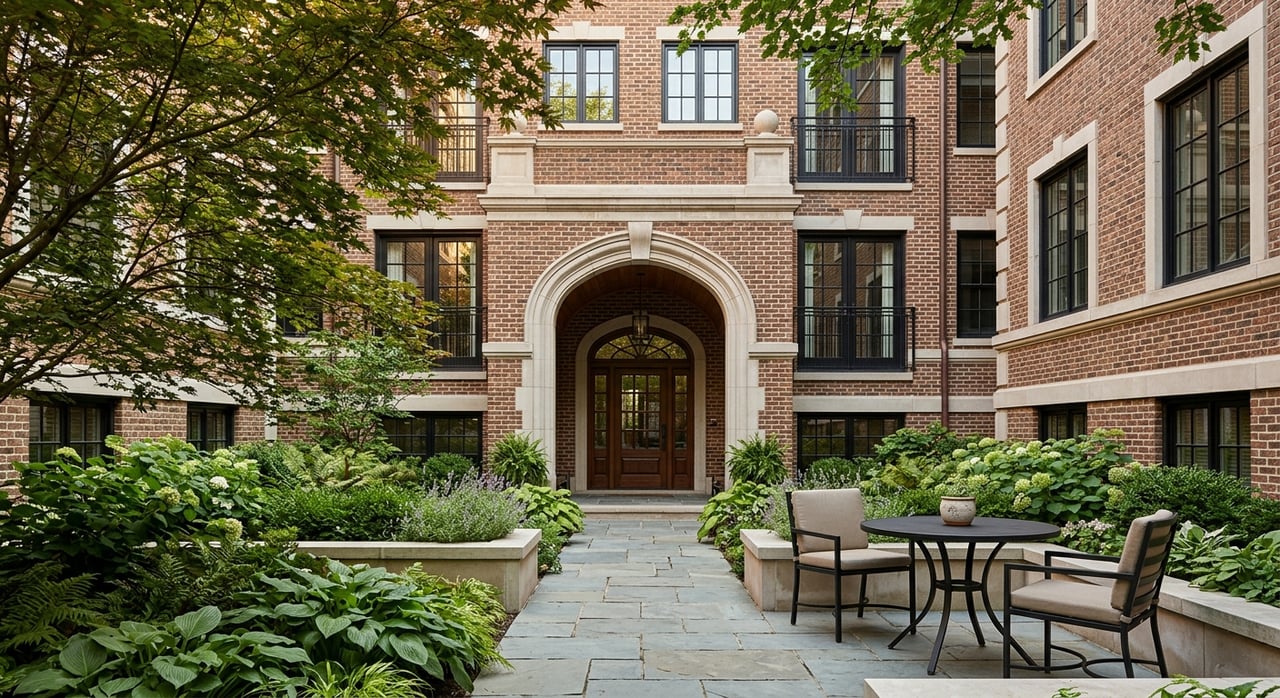
Lincoln Park gives you a walk-to-everything lifestyle with restaurants, grocery options, the Conservatory and Zoo, and quick access to the lakefront trails and beaches. You are also near multiple CTA options, including bus routes and the Brown, Red, and Green lines depending on your block, plus Lake Shore Drive for easy driving. Proximity to the Loop keeps city culture and appointments simple. The housing mix ranges from vintage greystones to mid-century buildings and modern luxury towers, so you can match character, services, and price to your goals.
The local condo market is generally strong, with demand influenced by layout and building services. Newer luxury buildings often command higher prices per square foot because of full-service amenities and on-site staff, while older buildings can offer generous rooms and character with fewer amenities. HOA fees vary widely, so it pays to weigh services against monthly costs.
Choose a floor plan that lives larger
A smart layout makes a smaller footprint feel like an upgrade. Focus on how you live day to day rather than a raw bedroom count.
Primary suite first
Prioritize a well-sized primary bedroom with an ensuite bath and real closet capacity. A comfortable primary suite is often the single most important feature for empty nesters. Look for efficient circulation, good natural light, and privacy from living areas.
Flexible second room
If you want guest capacity and a workspace, a second bedroom that doubles as an office or den is ideal. Choose layouts that accommodate a Murphy bed or quality sleeper sofa. Make sure the second room has proper egress and a closet if you need it to function as a true bedroom.
Kitchen and light
Seek an open, efficient kitchen with full-size appliances, real counter space, and storage. Peninsula or island layouts that open to living and dining areas add flow and sociability. South or west exposures often bring more natural light, which makes spaces feel larger and warmer.
Storage and noise control
Integrated storage matters. Built-ins, organized closets, pantry space, and in-unit laundry are high-value features that reduce daily friction. For quiet and comfort, consider higher floors or buildings known for solid floor and ceiling construction to minimize street and neighbor noise.
Size and bedroom counts
- One bedroom plus den or 1.5 to 2 bedrooms can be ideal if you host occasional guests and want an office zone.
- Two bedrooms are smart if you host frequently or expect visiting family to stay overnight.
- Open plans feel airy, while defined dining or a separate study can be better for regular entertaining. Choose the balance that fits your routine.
Finishes and features that feel luxurious
High-impact upgrades make right-sized living feel elevated. Look for hardwood or premium engineered floors, stone countertops, updated kitchens and baths, and modern lighting. High-performance windows and quality shades improve comfort and privacy. Confirm central air conditioning and modern HVAC for year-round comfort, and consider accessibility features like elevator access, wider doorways, and zero-step entries to future-proof your home.
Building types and amenity tradeoffs
Lincoln Park and nearby Near North offer a full spectrum of buildings. Each comes with lifestyle and financial implications.
Vintage walk-ups and greystones
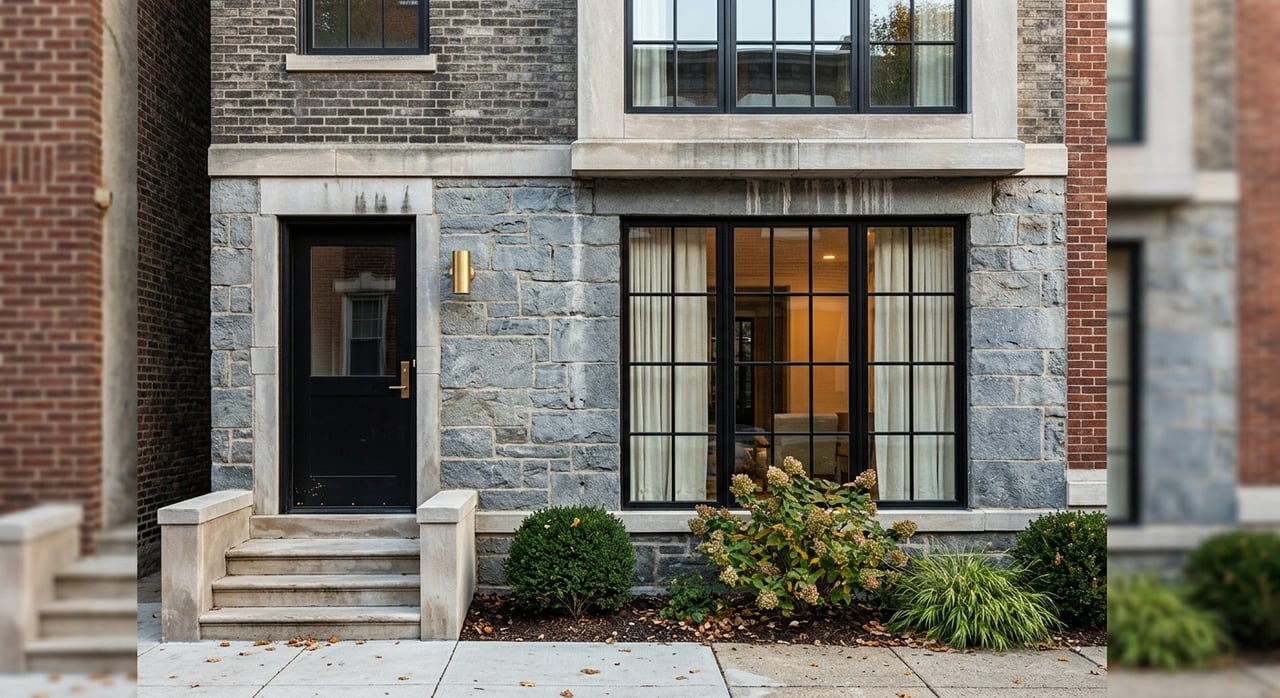
Expect character, tall ceilings, and larger rooms, often with limited amenities and sometimes without elevators. Pros include charm and space per dollar. Cons can include stairs, less on-site service, and potential maintenance issues.
Mid-century low to mid-rises
These buildings often deliver classic apartment-style layouts with some amenities like laundry rooms or small gyms. HOAs may be lower than full-service towers, but services are more limited. Weigh convenience against the amenities you value most.
Modern luxury towers
Full-service buildings often include a doorman or concierge, fitness centers, pools, rooftop terraces, and indoor parking. HOA fees are higher, but on-site maintenance, security, and hospitality-level services reduce daily hassle. These buildings tend to have strong marketability for well-designed one and two bedrooms.
Boutique luxury conversions
Smaller buildings that have been upgraded with high-end finishes can offer privacy and style with selective amenities. They may strike a balance between character and modern comforts.
Amenities that matter most
- Security and concierge for peace of mind and easy package handling.
- Fitness and wellness spaces for daily convenience.
- Reserved indoor parking, a premium in Lincoln Park.
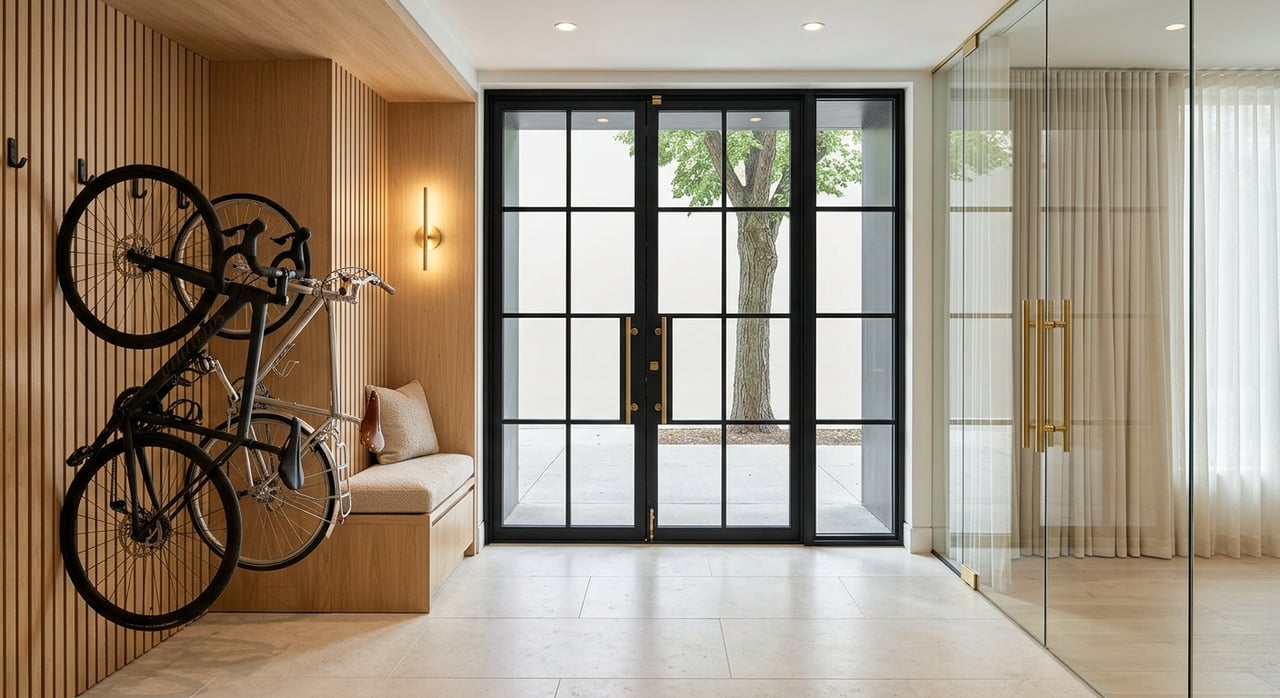
- Storage lockers and bike rooms to offset downsizing.
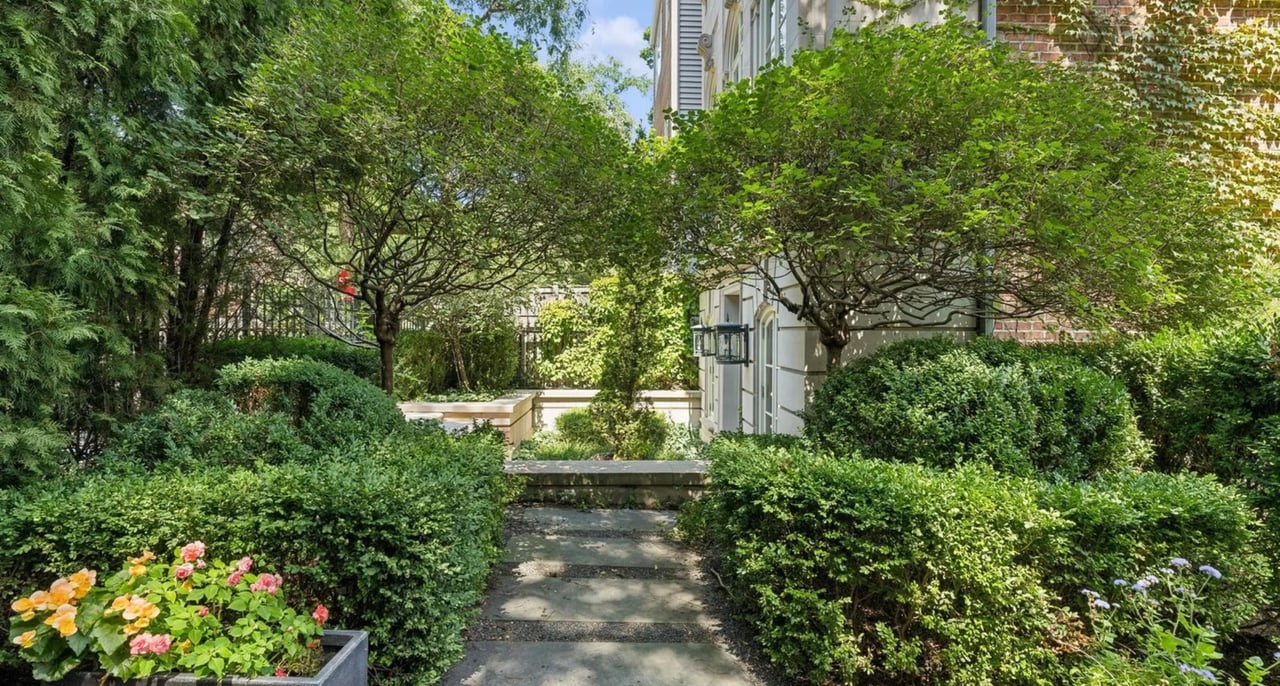
- Common outdoor areas for fresh air and entertaining.
- Pet policies that fit your household.
- Guest suites or visitor parking if you host out-of-town family.
Association health and due diligence
Your HOA shapes monthly costs, building upkeep, and daily life. Review it with the same care you give to the unit.
What HOA fees cover
In many buildings, fees cover staffing, common-area maintenance, building insurance, and some utilities. Clarify which utilities are included and which are not. In full-service towers, expect higher fees in exchange for on-site staff and amenities.
Reserves and special assessments
A healthy reserve fund reduces the risk of large one-time assessments for major projects like roofs, facades, elevators, or mechanical systems. Ask about recent and upcoming capital projects and any special assessments in the last few years.
Rules and restrictions
Review policies on rentals, short-term rentals, pets, smoking, and renovations. Many associations restrict short-term rentals in line with city regulations. Understand the approval process for in-unit renovations.
What to request from the board
- Board meeting minutes from the last 12 to 24 months.
- Reserve study and financial statements from the past 3 to 5 years.
- Condo declaration, bylaws, and rules.
- Master insurance summary and special assessment history.
- Building capital improvement plan and timelines.
Budget, taxes, and total monthly cost
Right-sizing often reduces total carrying costs, but a luxury condo has its own budget profile. Plan with a full picture.
- Monthly HOA fee, plus condo insurance, property taxes, and personal utilities not included in the HOA.
- Parking charges if a deeded space or garage fee is separate.
- Special assessments, which can be one-time costs for building-wide work.
In Cook County, property taxes reflect assessed value and local tax rates. A smaller unit can reduce taxes, and senior-specific exemptions may apply if you qualify. If you are selling a primary residence, review potential capital gains treatment and how the move fits your estate planning. A tax advisor can help tailor the details to your situation.
To forecast your monthly total, add mortgage (if any), HOA, property taxes, utilities, parking, and a maintenance allowance. Compare this to your single-family costs to see your true savings and upgrades.
Lincoln Park move logistics made easy
Condo moves in Chicago run on building rules and timing. Get ahead of the details and your move day will feel simple.
Building move-in rules
Most buildings require an elevator reservation, proof of insurance from your mover, set move hours, and protective padding for common areas. Request the move-in packet early and share it with your movers.
Timing and parking
Schedule trucks outside peak traffic near the Lincoln Park and Lake Shore Drive corridors. Ask about temporary loading permits or approved loading zones. Confirm the route and elevator size in advance.
Movers who know Chicago condos
Hire movers experienced with elevator logistics and tight stairwells common in older greystones. Provide them with elevator dimensions, hallway widths, and any building access quirks.
A 6- to 12-week plan
- 8 to 12 weeks: Inventory your belongings, define must-haves and dealbreakers, and secure pre-approval if financing. Begin touring target buildings.
- 4 to 8 weeks: If selling, list your home and align timing. Request HOA documents for any serious condo contenders.
- 2 to 4 weeks: Hire movers, book the building elevator, finalize a scaled floor plan, and sell or donate items you will not bring.
- 1 week: Confirm move-day requirements, pack essentials, and measure final pieces.
- Move day: Have the elevator reserved and mover insurance on hand. Keep a point person available for building staff.
- 1 to 3 months after: Fine-tune storage, adjust furniture placement, and complete small updates.
Room-by-room measurement checklist
- Measure your largest furniture and ensure it fits the new rooms with walkways.
- Check door widths, hallway clearances, and elevator dimensions for delivery.
- Verify locations and sizes of HVAC equipment and water heaters.
- Confirm laundry dimensions and venting requirements.
- Map window sizes for shades and treatments, especially in rooms with large exposures.
Common mistakes to avoid
- Chasing square footage over layout quality and light.
- Underestimating HOA fees or assuming they cover all utilities.
- Skipping a deep review of reserves, assessments, and board minutes.
- Forgetting storage solutions, both in-unit and in-building.
- Overfilling rooms with furniture that does not scale.
- Waiting too long to book movers and elevators.
How we help you right-size
You deserve a process that feels curated and calm. With a senior-led, boutique approach in Lincoln Park and Near North, you get hands-on guidance from first tour to post-closing. We translate building quality, layout design, and association health into clear choices that fit your lifestyle and budget. When you choose me, you work with me, supported by a compact senior team focused on premium outcomes.
If you are ready to explore a Lincoln Park condo without compromise, let’s talk. Partner with the Cadey O'Leary Collection for senior-level advice and white-glove buyer representation that puts design, data, and timing on your side.
FAQs
What makes Lincoln Park ideal for downsizing?
- Walkability, lakefront access, transit options, and a wide range of buildings give you lifestyle upgrades with strong resale potential when layouts are right.
How do I compare HOA fees across buildings?
- List what each fee includes, add utilities not covered, and weigh services like doorman and parking against total monthly cost and your actual usage.
How can I avoid surprise special assessments?
- Review reserve studies, financials, recent board minutes, and planned capital projects to gauge reserve strength and upcoming work.
Should I choose a newer tower or a vintage building?
- Newer towers deliver full-service amenities and convenience with higher HOAs, while vintage options offer character and space per dollar with fewer services.
What storage options should I look for when downsizing?
- Prioritize in-unit closets with organizers, pantry space, in-building storage lockers, and bike rooms, plus off-site storage if needed short term.
How do Chicago rules affect short-term rentals in condos?
- Chicago regulates short-term rentals and many associations restrict or prohibit them, so review building rules before you buy.
What is the best layout for occasional guests and an office?
- A one bedroom plus den or a two bedroom with a flexible second room works well, especially if it supports a Murphy bed or sleeper sofa.
What are the key steps to plan my move?
- Reserve the elevator early, confirm mover insurance, measure large pieces, and schedule trucks to avoid peak traffic around Lincoln Park and Lake Shore Drive.