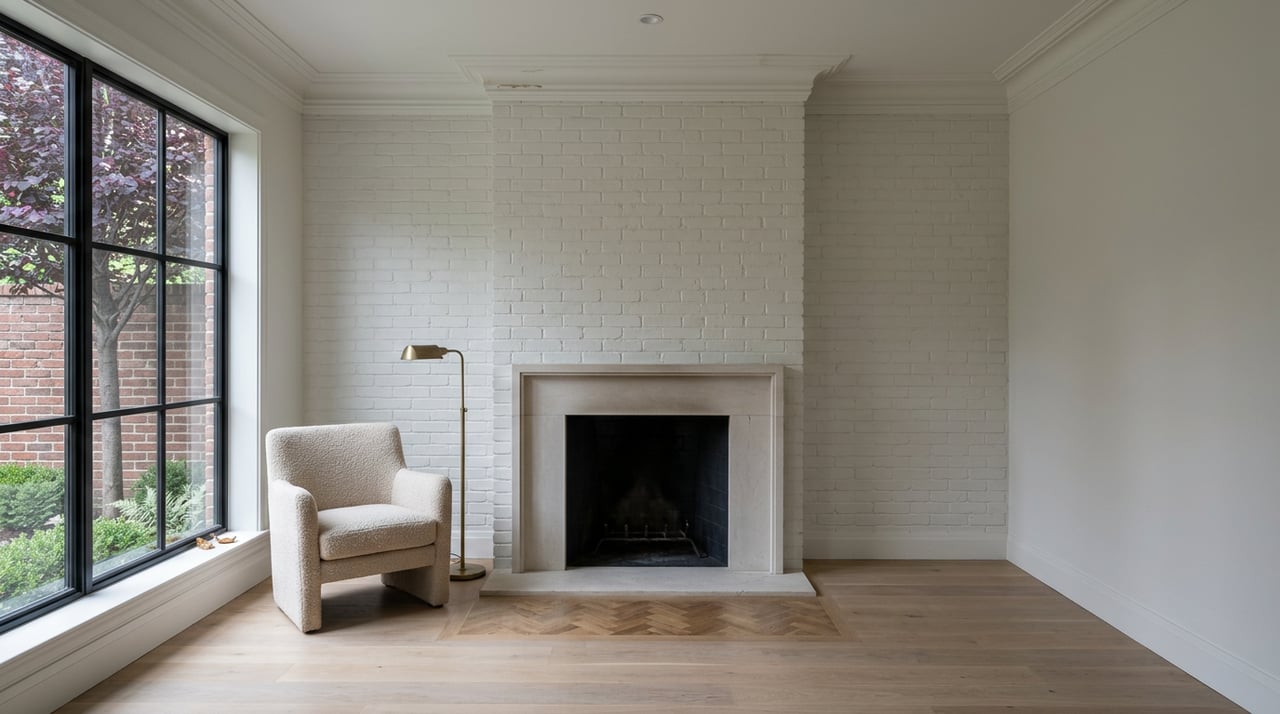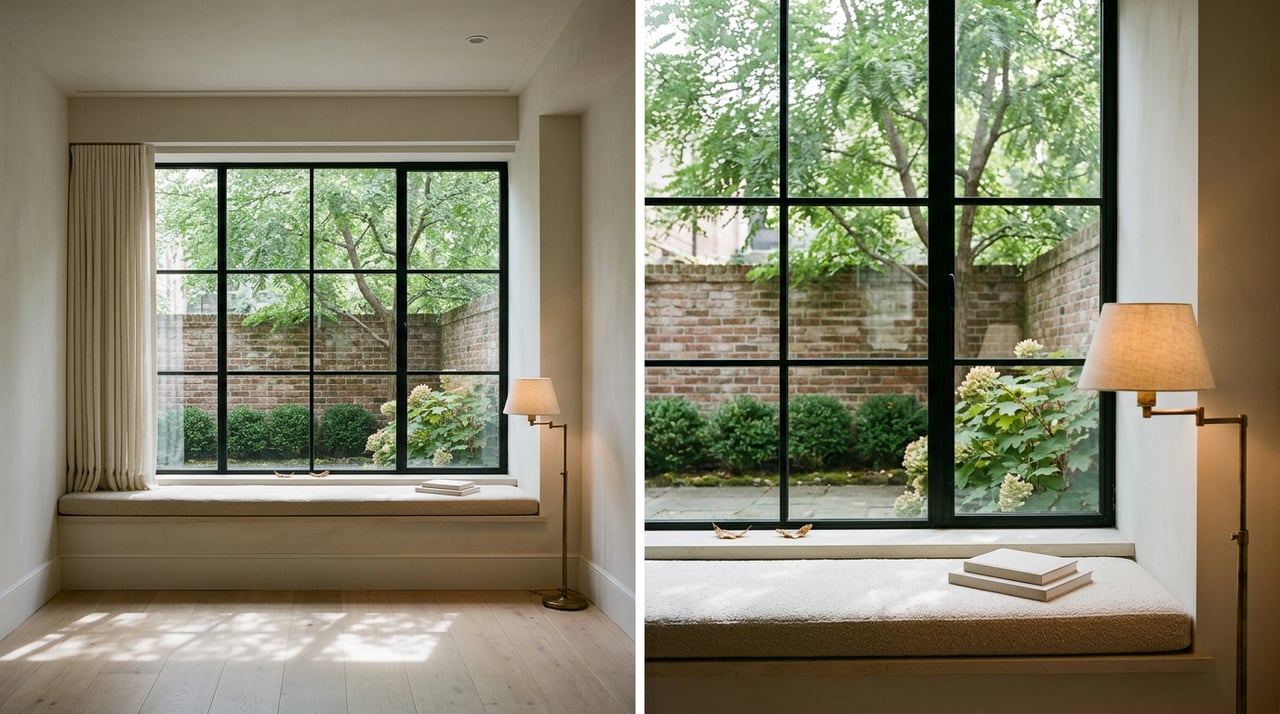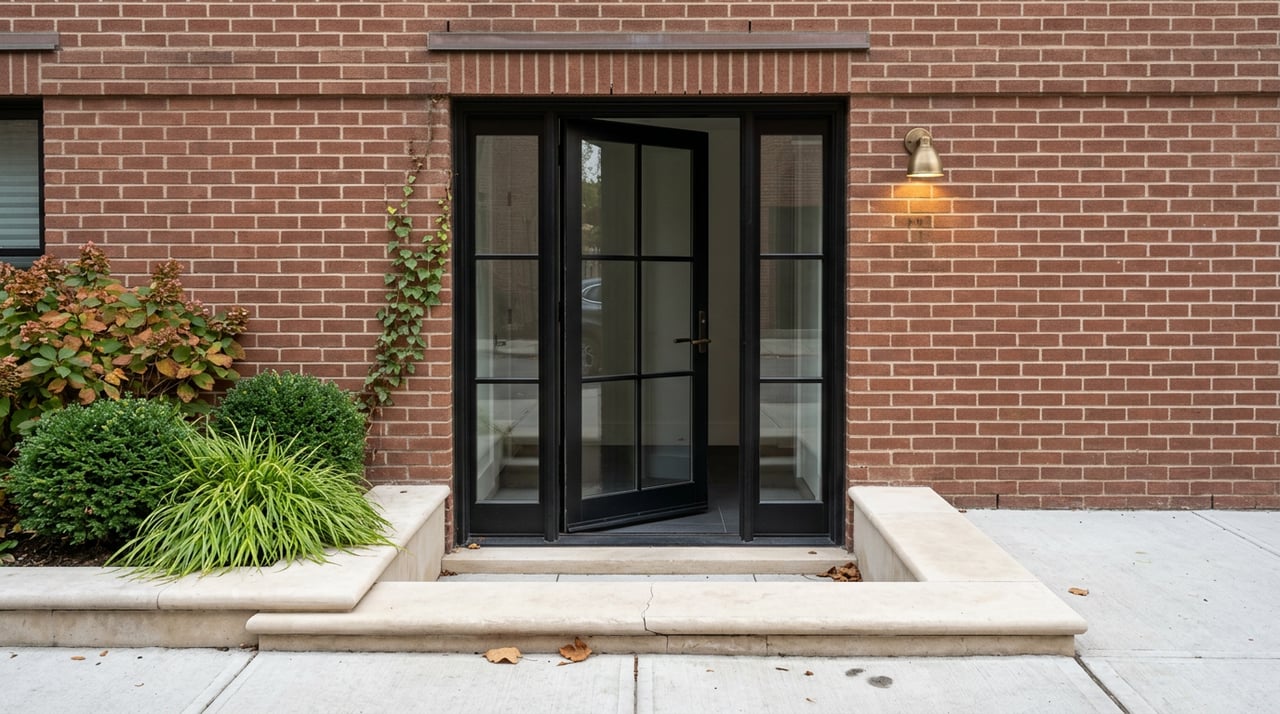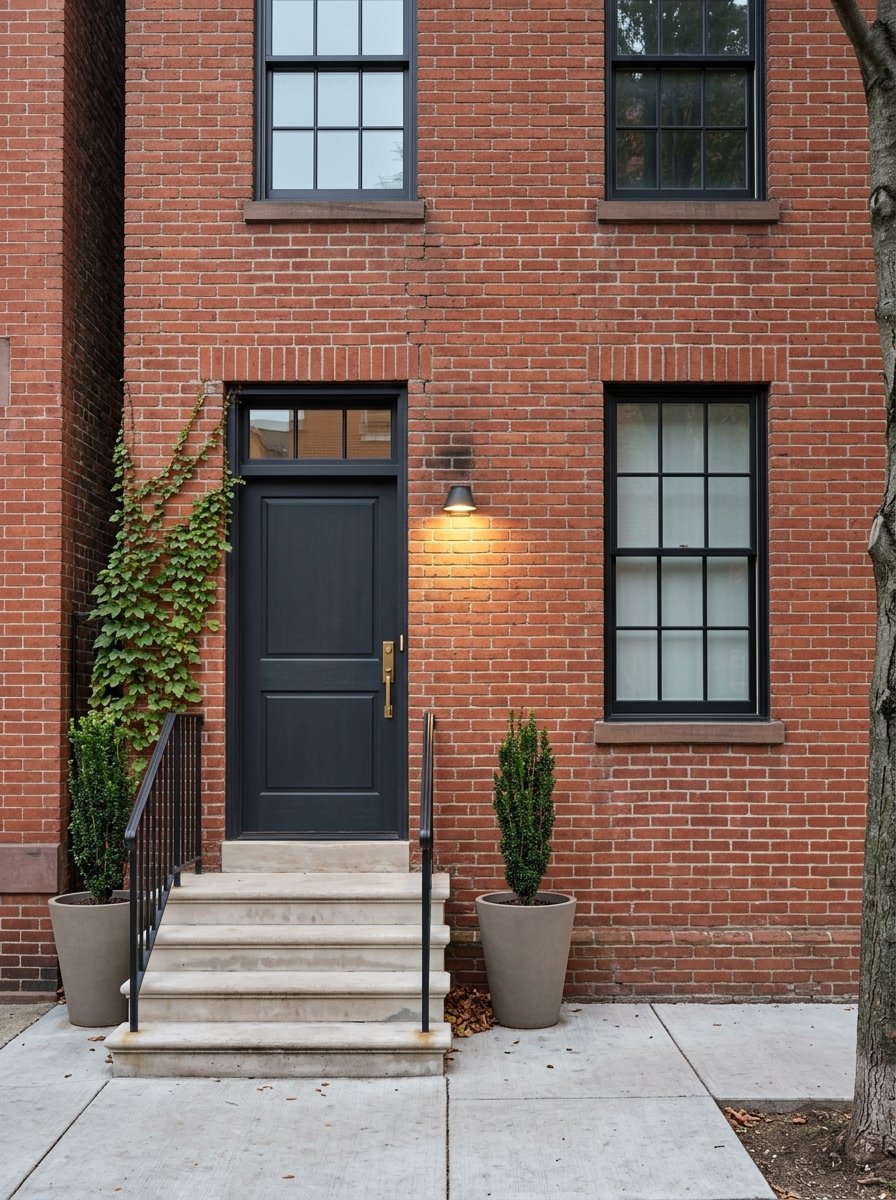
If you have started browsing condos in Old Town, you have probably noticed something right away: no two buildings feel quite the same. One block may offer a vintage walk-up with original masonry details, while the next introduces a newer mid-rise with an elevator, garage parking, and a roof deck. That variety is part of Old Town’s appeal, but it also means you need to compare buildings carefully. This guide will help you understand how Old Town condo inventory works, what features tend to come with each product type, and how to evaluate your options with more confidence. Let’s dive in.
Why Old Town condos feel different
Old Town is not a one-note condo market. According to the Old Town Triangle Association, the neighborhood is shaped in part by a landmarked historic district that was designated by the City of Chicago in 1977. That preservation-minded framework helps explain why so much of the area still feels architectural, layered, and distinctly residential.
That historic character sits alongside a more contemporary side of the neighborhood. WTTW’s neighborhood overview notes that Old Town blends restored homes, rowhouses, shops, restaurants, and a well-known arts and nightlife identity centered on Wells Street. In practical terms, that means condo buyers are shopping within a spectrum, not a single product category.
Old Town condo types to expect
Vintage walk-ups and small conversions
Many of Old Town’s older residential buildings grew from small cottages, rowhouses, apartment buildings, and converted coach houses. The historic building catalog describes housing stock that is often two to three stories tall, narrow in proportion, and defined by masonry construction, bay fronts, dormers, and decorative wood trim.
For you as a buyer, these homes often deliver character first. You may find original details, intimate building size, and a location that feels deeply tied to Old Town’s historic fabric. In many cases, however, amenities are more limited than in newer buildings.
Newer mid-rises and boutique buildings
On the other end of the spectrum, Old Town has seen newer condo projects in the 4- to 6-story range near Sedgwick, Wells, Wieland, and North. As reported by Chicago YIMBY, these buildings often include features buyers now expect, such as elevators, balconies, roof decks, and indoor parking.
This is where the shopping experience can start to feel more turnkey. If your wish list includes elevator access, more predictable layouts, private outdoor space, or attached parking, newer mid-rises may better match your priorities. In Old Town, those features typically come with a different price point and a different monthly ownership profile.
Compare building class, not just address
One of the biggest mistakes buyers make in Old Town is assuming the neighborhood name tells you enough. It does not. In this part of Chicago, building age and building type often matter more than the street name alone.
A condo in a small vintage building may offer charm and a lower amenity load, while a newer elevator building may offer stronger convenience and more modern infrastructure. That is why your comparison should center on how the building lives day to day, not just where it sits on a map.
What matters most when touring
Sound and privacy
Sound performance can vary significantly in Old Town because the housing stock varies so much. A frame cottage conversion, a small masonry walk-up, and a newer mid-rise may all perform differently depending on floor assemblies, windows, and renovation quality. That takeaway is supported by the area’s varied building types in the Old Town Triangle building catalog.
When you tour, pay attention to what you hear in common areas and inside the unit. Ask about window upgrades, ceiling construction, and whether the building has had substantial renovation work over time. In a neighborhood this mixed, assumptions are rarely accurate.
Outdoor space
Outdoor space is another major dividing line. Many newer projects specifically include balconies and roof decks, while older buildings may offer less private exterior space. At the same time, Old Town benefits from nearby public open space, including North Avenue Beach and the Nature Boardwalk in Lincoln Park, both noted in the local reporting and development context from Chicago YIMBY.
If outdoor living matters to you, be specific about what that means. A small rear deck, a private balcony, and a shared rooftop each create a very different daily experience. The right answer depends on how you plan to use the space.
Parking and car-light living
Parking in Old Town is highly building-specific. Some new-construction condo buildings include indoor parking per unit or larger garages, while others reduce parking to fit a tighter urban site. That variation is part of the current development pattern described by Chicago YIMBY.
At the same time, the neighborhood supports a car-light lifestyle. The Sedgwick station serves the Brown and Purple Lines and connects to bus routes #37 and #72, which makes daily movement easier if you are not driving for every errand or commute. If you do own a car, though, parking should be part of your first-round filter, not an afterthought.
Assessments and reserves
In Old Town, monthly assessments tell an important story. Under the Illinois Condominium Property Act, unit owners pay their share of common expenses, and the Illinois condo owner handbook explains that assessments may cover operating costs, reserve contributions, and special assessments for unplanned repairs.
For buyers, this matters because the monthly number is not just a fee. It can reflect the building’s age, reserve strength, amenity set, and exposure to future repair costs. You should review budgets, reserves, and available records carefully, especially in older buildings where deferred maintenance can change the economics of ownership.
How lifestyle shapes value in Old Town
Old Town’s appeal goes beyond the unit itself. WTTW highlights neighborhood anchors including The Second City, the Old Town School of Folk Music, St. Michael in Old Town, and the Old Town Art Fair, all of which help keep the area active and culturally visible.
For you, that means lifestyle value comes in layers. Some blocks feel quieter and more residential, while others place you close to restaurants, theaters, and busy street life. If you are deciding between two condos, the surrounding rhythm of the block may influence your satisfaction just as much as the finishes inside the home.
What the current market suggests
Budget expectations in Old Town should stay flexible because the inventory is so varied. Redfin’s March 2026 market data shows a median sale price of $472,500 and a median of $411 per square foot for all home types in Old Town. The same source shows Lincoln Park at $700,000 and $462 per square foot, while Gold Coast was $600,000 and $350 per square foot.
Those are not condo-only figures, but they still help frame the market. Old Town often feels more approachable than Lincoln Park on entry price, yet it offers a very different mix from Gold Coast. That makes it attractive for buyers who want a balance of location, architectural character, and a broad range of condo formats.
The same Redfin data also shows homes in Old Town selling at 100.1% of list price on average in March 2026, with 31.3% selling above list price. In other words, well-positioned inventory can still move quickly. If a condo checks the right boxes for condition, layout, and building profile, you may not have much time to decide.
A simple way to narrow your search
If you want to shop Old Town efficiently, start by ranking the features that are hardest to change later. In most cases, that means:
- Building type
- Elevator access
- Parking
- Outdoor space
- Assessment comfort level
- Block atmosphere
Finishes can often be updated over time. Building structure, parking configuration, and the monthly ownership model are much harder to change. In a neighborhood with this much range, clarity on those points will save you time and help you avoid false comparisons.
Final thoughts on Old Town condos
Old Town works best when you see it for what it is: a spectrum market. Some buyers are drawn to the texture and scale of a vintage walk-up. Others want the convenience and predictability of a newer boutique mid-rise. Neither is inherently better. The right fit depends on how you want to live, what trade-offs you are comfortable making, and how carefully you evaluate each building’s long-term ownership picture.
If you want a more curated read on Old Town condo options, from vintage character to newer design-forward product, connect with Cadey O'Leary Collection. You will get senior-level guidance shaped by neighborhood context, building nuance, and a highly tailored buyer strategy.
FAQs
What types of condos are most common in Old Town Chicago?
- Old Town includes a wide mix of condo types, including vintage walk-ups, small conversions, older masonry buildings, and newer 4- to 6-story mid-rises with elevators, balconies, roof decks, and indoor parking.
What should buyers compare when choosing an Old Town condo?
- Buyers should compare building type, sound and privacy, outdoor space, parking, monthly assessments, reserve strength, and how the block feels day to day, since those factors can vary widely across Old Town.
How important are condo assessments in Old Town Chicago?
- Assessments are a key part of due diligence because they help reflect operating costs, reserve funding, amenities, and potential future repair exposure, especially in older buildings.
Is parking easy to find with Old Town condos?
- Parking depends on the specific building. Some newer condo projects include indoor parking, while others offer less parking to fit the site, so it is important to confirm this early in your search.
How competitive is the Old Town real estate market?
- Based on March 2026 Redfin data for all home types, Old Town homes sold at 100.1% of list price on average, and 31.3% sold above list price, which suggests well-priced properties can move quickly.