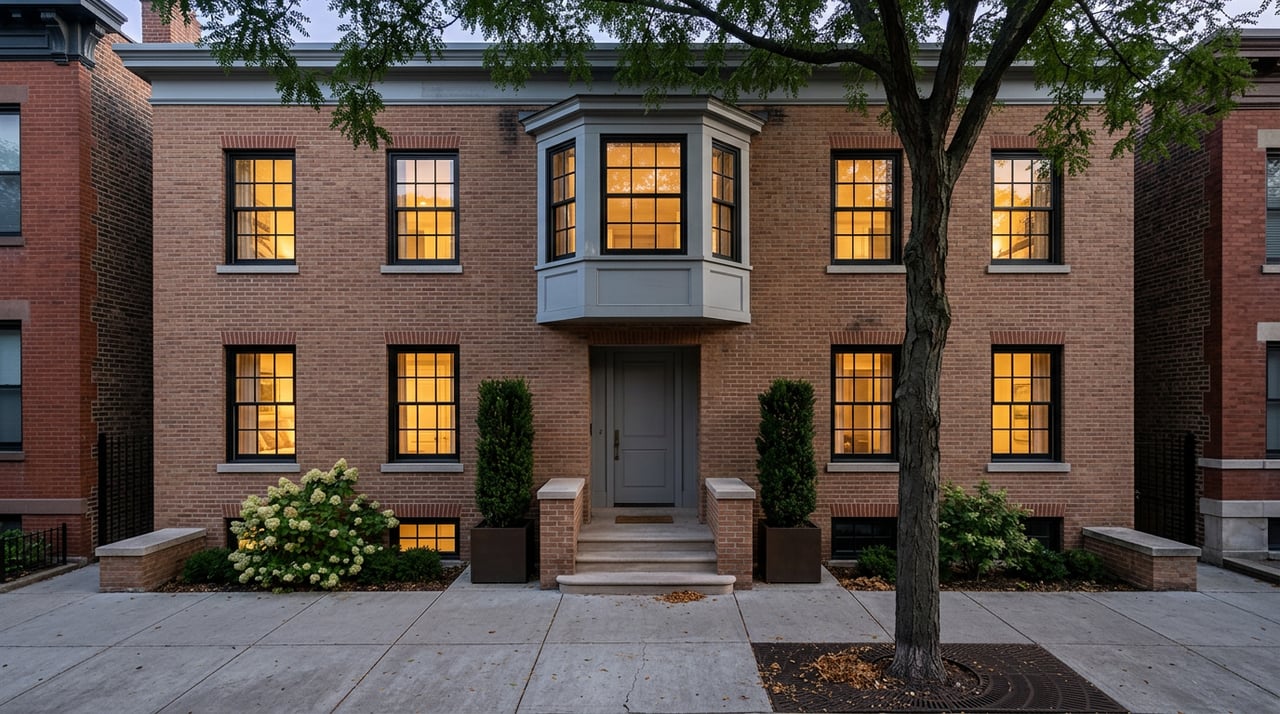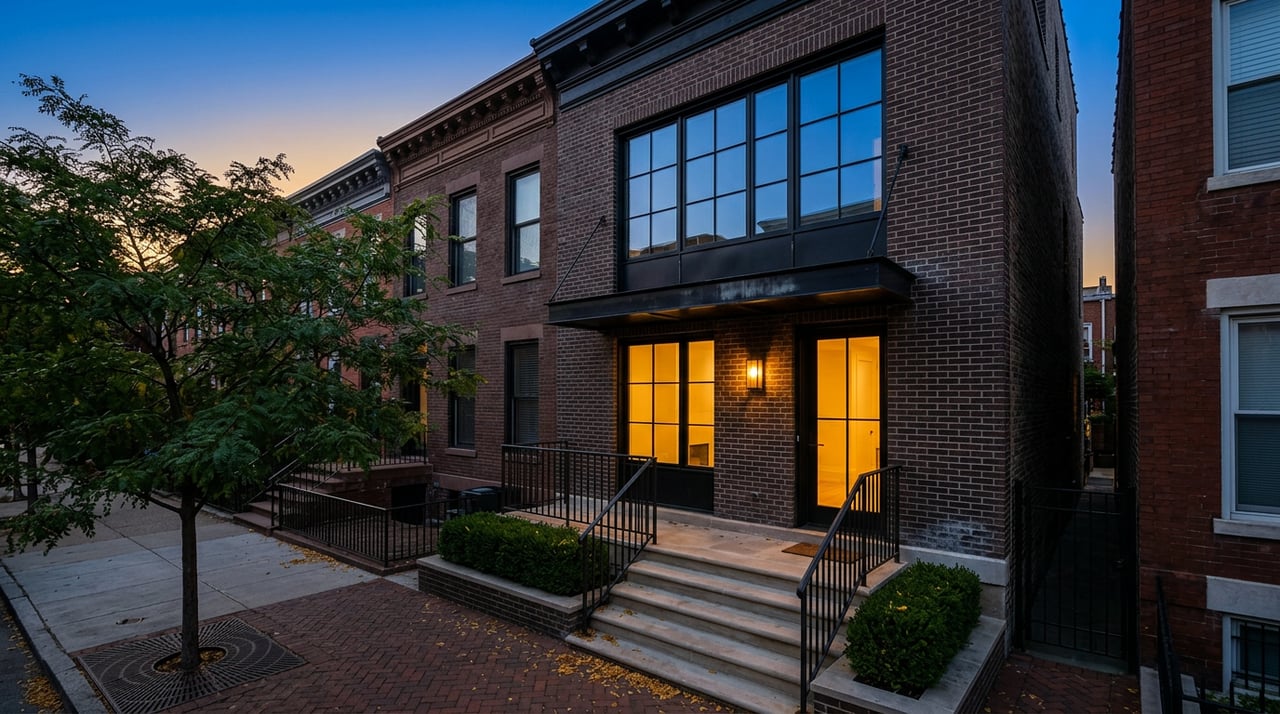
Walk Southport Avenue between Addison and Roscoe on any given weekend and you'll pass a storefront that looks finished, staffed, and open, but you can't quite place what used to be there. Was it always a jewelry store? Did a fitness studio just replace that activewear shop, or did the activewear shop replace something else entirely? On most commercial strips, that kind of uncertainty means slow decline: an owner cycling through short-lived tenants because nobody wants the space. On Southport, it means almost the opposite. The corridor has been full for so long that when a spot does open up, what fills it isn't always a business settling in for the next decade. Sometimes it's a brand renting the address itself, for a season, to see if the neighborhood likes it back.
That distinction matters if you live here and actually pay attention to your own street. Not every new sign on Southport is making the same commitment, and once you know how to tell the two apart, the corridor reads differently.
The corridor that almost never has a for-lease sign
Southport's retail stretch between Addison and Roscoe has been sitting at or near zero vacancy for years, one of the tightest boutique corridors on Chicago's North Side. By the most recent count, covering 2025, that number had ticked up slightly to 1.6%. It's still remarkably low. But the reason it moved at all wasn't demand cooling. It was two specific, traceable exits: Claire's closed its Southport location as part of the retailer's national bankruptcy filings, and the longtime UPS Store on the corridor relocated to a larger space at 3302 N. Lincoln Avenue. Neither departure had anything to do with Southport losing its pull. If anything, a UPS Store outgrowing its footprint is a sign of a corridor doing exactly what it's supposed to do.
For comparison, Armitage Avenue, the other North Side strip retailers treat as a top-tier address, has run closer to 4% vacancy in the same period. Damen Avenue, further south in Bucktown, spent the pandemic years north of 20% before working its way down into the low teens as it found a new identity built around wellness and outdoor brands. Southport was never in that conversation. It's the corridor where a spot doesn't stay open long enough to become a story on its own, which is exactly what makes this year's churn worth a closer look.
Not every new sign is making the same bet
Here's the part that isn't obvious from the sidewalk. Some of what's filled those rare openings this year is a straightforward, permanent-lease commitment. Reformation moved into 3452 N. Southport, the space Dr. Martens vacated. Lovesac took over the former Aligned Modern Health spot at 3514 N. Southport. Colectivo Coffee finally opened its doors on July 8 after a structural rebuild that took longer than anyone on the block expected. STRONG Pilates, an Australian fitness brand making its first Chicago move, opened its Southport studio on June 6. Bobbles & Lace, a women's fashion boutique out of Marblehead, Massachusetts, is taking the old UPS Store spot at 3501 N. Southport, right at the corner of Cornelia across from Lange's Lounge. All five of those are businesses signing the kind of lease that assumes they'll still be there in five years.
But one address on the corridor has been doing something different. At 3530 N. Southport, HYOU Fine Jewelry recently ran a pop-up. Before HYOU, that same storefront held Sweaty Betty. Before Sweaty Betty, it was Ink & Alloy. Three different brands, three different product categories, one address, in a fairly short span. That's not a landlord struggling to keep a tenant. That storefront is operated by Leap, a retail platform that leases, staffs, and runs physical stores on behalf of brands that want a real presence without signing a traditional multi-year commitment. Leap's pitch to those brands is straightforward: test a market, gauge foot traffic and sell-through, and decide later whether to convert to a permanent lease or move on. Southport's tight, walkable, family-heavy foot traffic makes it a natural place for that kind of experiment to run.
Here's what that split actually looks like on the ground right now:
| Address | Currently | Previously | Type of deal |
|---|---|---|---|
| 3452 N. Southport | Reformation | Dr. Martens | Traditional lease |
| 3514 N. Southport | Lovesac | Aligned Modern Health | Traditional lease |
| 3501 N. Southport | Bobbles & Lace (opening) | UPS Store | Traditional lease |
| 3530 N. Southport | HYOU Fine Jewelry (pop-up) | Sweaty Betty, formerly Ink & Alloy | Leap-managed pop-up |
Reformation, Lovesac, and Bobbles & Lace are the kind of tenants a landlord builds a rent roll around. HYOU is the kind of tenant a landlord uses to keep a storefront active and interesting while deciding what comes next, or while waiting for the right long-term tenant to sign.
Reading the block six months from now
Once you know which category a storefront falls into, you can make a reasonable guess about what happens to it next. Reformation, Colectivo, STRONG Pilates, and Bobbles & Lace are the kind of openings you can expect to still be walking past next summer. They represent brands that scouted the corridor, negotiated a real lease, and built out a space they intend to keep. If Bobbles & Lace's Southport location performs the way its first Chicago store on Randolph Street in the West Loop has since opening last August, it's a reasonable bet the Cornelia corner becomes a fixture rather than a footnote.
3530 N. Southport is a different kind of address to watch. It's not that the location is failing. It's that the location has been built, intentionally, to turn over. If HYOU's run ends and a new name appears there within a matter of months, that's not evidence of a problem on the block. It's the same flexible-retail mechanism doing exactly what it's designed to do, cycling a new direct-to-consumer brand through a storefront that a landlord and platform have decided works better as a rotating showcase than a single ten-year lease. The next occupant might convert to a permanent tenant. It might not. Either way, the churn at that one address says very little about the health of the corridor and quite a lot about how retail leasing has changed since the last time Southport had this few empty storefronts to fill.
That's a useful lens if you've ever wondered why a strip that's supposedly at near-zero vacancy still seems to reshuffle its lineup every few months. Some of it is genuine, permanent turnover, the kind that happens on any thriving retail street. Some of it is a handful of addresses functioning less like storefronts and more like auditions.
Either way, it's a good problem for a neighborhood to have. A corridor doesn't attract national retailers testing the market, or platforms like Leap building rotating showcases, unless the foot traffic and household demand are already there. Southport has spent years proving that case, one nearly-always-full storefront at a time.
If you're the kind of Lakeview resident who notices these things because you walk this street every week, you already understand what makes this corridor different from the ones that are still finding their footing. If you're curious how that same steady demand shows up in the neighborhood's home values, the Lakeview neighborhood guide from Cadey O'Leary Collection is a good place to keep looking. And if you ever want to talk through what any of it means for your own address, Work with Cadey — Start the Conversation.