Trying to choose between Bucktown and Wicker Park? You are not alone. These two Chicago neighborhoods sit side by side, share plenty of overlap, and often attract the same buyer, but they do not live exactly the same day to day. If you want a home that fits your routine, your style, and the way you actually move through the city, the details matter. Let’s dive in.
Bucktown vs Wicker Park at a Glance
For most buyers, this is not a choice between two totally separate worlds. It is more often a question of how much activity you want right outside your door versus how much you want a more residential feel on your block.
Wicker Park sits in the West Town community area. Bucktown stretches across West Town and Logan Square. In practical terms, that means the experience can shift quickly from block to block, especially as you move away from Milwaukee Avenue and closer to quieter side streets and park areas.
The simplest way to think about it is this: Wicker Park tends to feel busier and more commercial-corridor focused, while Bucktown often feels a bit more residential and park-oriented. That does not make one better than the other. It just makes them better for different priorities.
Wicker Park: More Energy, More Immediacy
If you want to be close to restaurants, bars, shops, and a steady flow of street activity, Wicker Park often checks that box first. Local tourism and neighborhood sources describe it as a lively hub with a bustling Six Corners core, plus indie music venues, late-night spots, pubs, and shopping clustered near major corridors.
That energy is part of Wicker Park’s appeal. You can feel the density of activity near Damen and along Milwaukee Avenue, where the neighborhood is closely tied to Blue Line access and a more fast-moving urban rhythm.
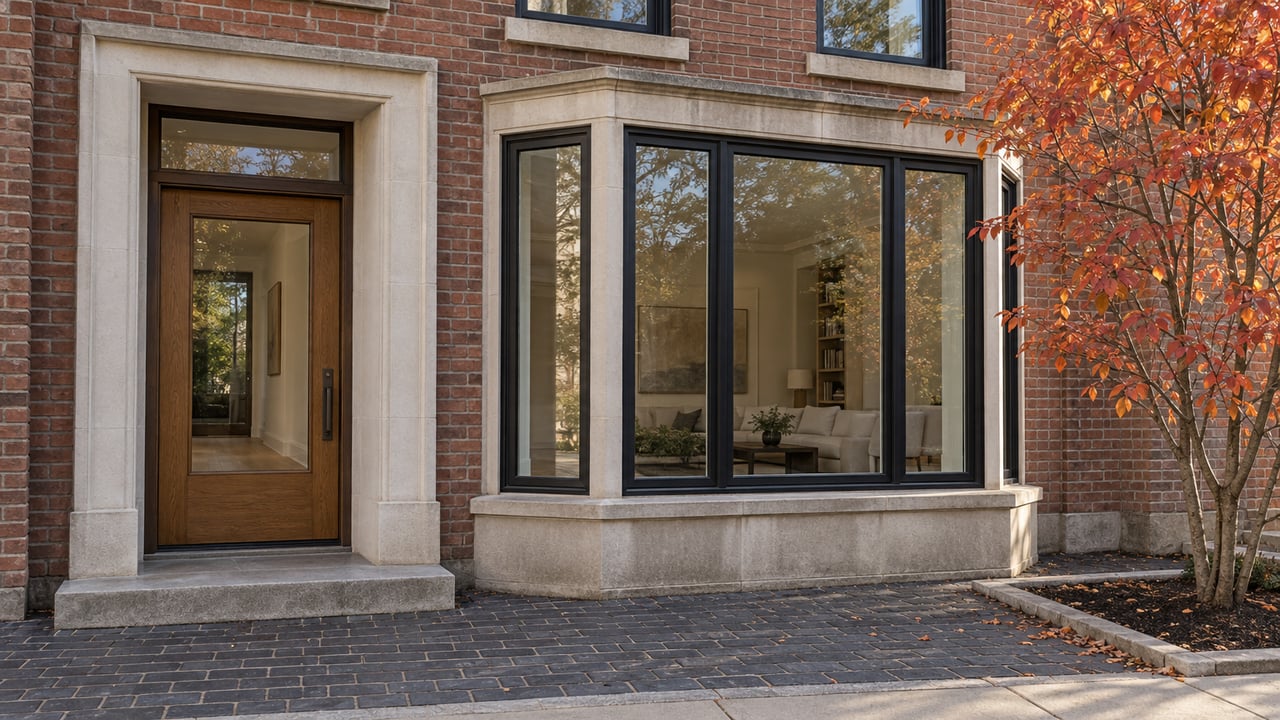
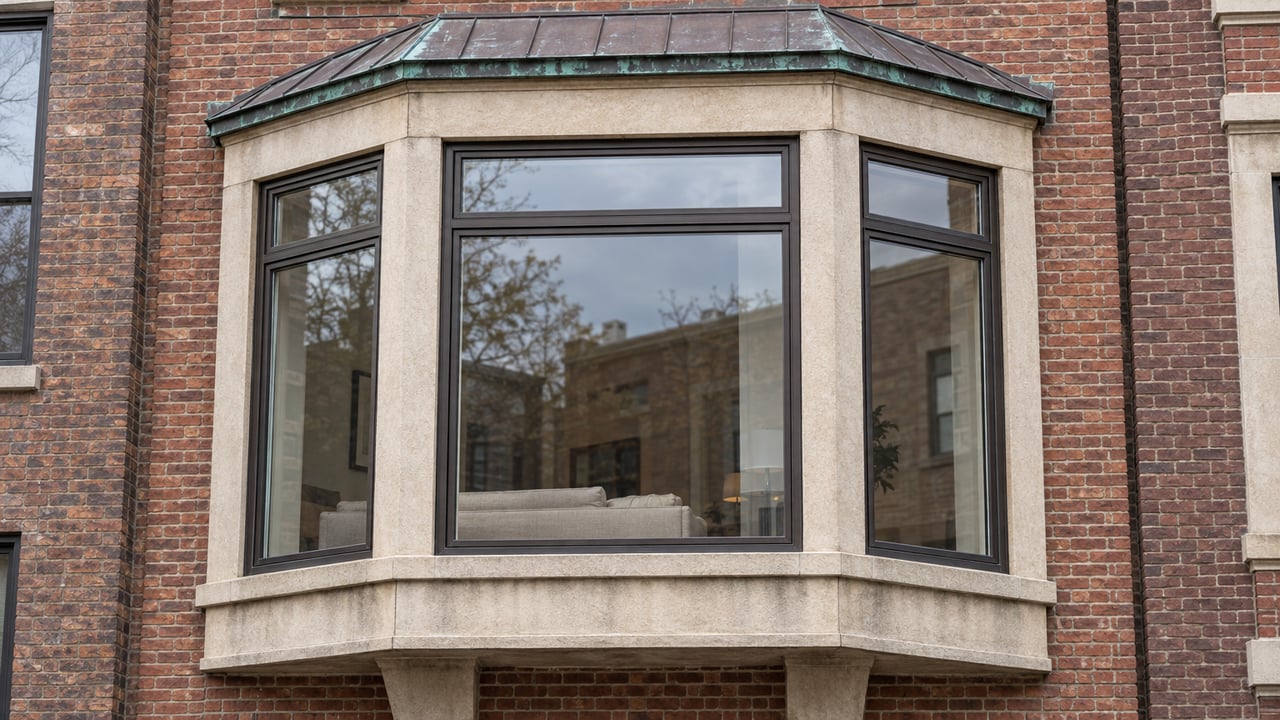
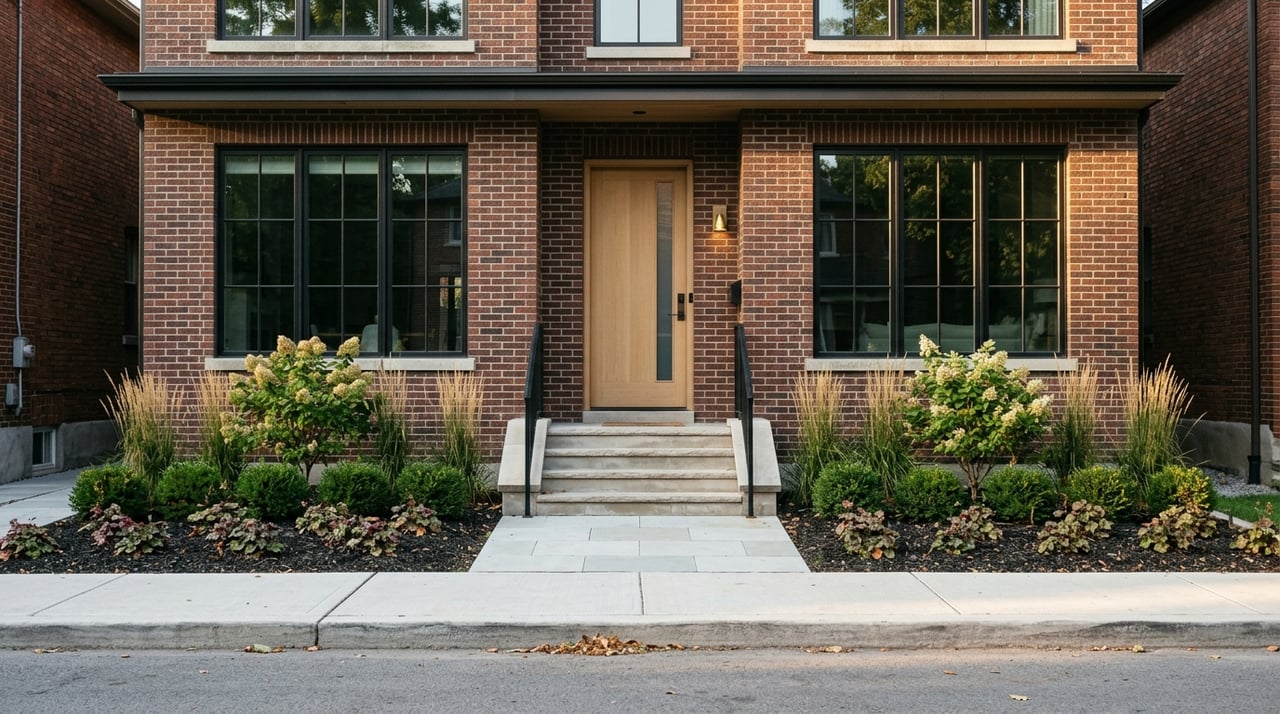
Wicker Park also carries a strong historic identity. The local landmark district highlights Victorian-era streetscapes, varied building materials, and large residences around the park and nearby streets. If you love older architecture and want that classic Chicago texture mixed with a highly active street scene, Wicker Park may feel like the right fit.
Who Wicker Park often suits
Wicker Park may be the better match if you want:
- Quick access to dining, nightlife, and shopping
- A more active, street-facing neighborhood feel
- Blue Line convenience close to daily routines
- Historic architecture with a denser urban setting
Bucktown: Residential Feel with Urban Access
Bucktown shares much of the same central location and city energy, but many buyers experience it as the slightly calmer side of the comparison. Local sources describe Bucktown as tree-lined and filled with vintage homes, cafés, corner bars, and neighborhood parks.
That distinction matters when you are choosing where to live, not just where to visit. On many Bucktown blocks, especially away from the busiest corridors, the setting can feel more residential while still keeping you close to the same restaurants, transit, and amenities that make this part of Chicago so desirable.
Bucktown’s history also shapes its housing and streetscape. It developed as a working-class neighborhood with small homes, saloons, and churches, and that earlier fabric still helps explain why the area feels more intimate in places than buyers sometimes expect.
Who Bucktown often suits
Bucktown may be the better match if you want:
- A slightly quieter day-to-day setting
- Tree-lined residential streets
- Easy park access and outdoor space nearby
- Historic character without giving up central convenience
Housing Stock: What You Will Actually Find
One of the most important realities in both neighborhoods is that detached single-family homes are a smaller part of the market than many buyers assume. Public planning snapshots for West Town and Logan Square show housing stock that leans heavily toward multi-unit buildings, including two-flats, three-flats, small condo buildings, and larger attached options.
In West Town, 32.0% of housing units are in 3- to 4-unit buildings, 23.1% are in 5- to 9-unit buildings, and 13.0% are in 20+ unit buildings. Only 10.4% are detached single-family homes. Logan Square shows a similar pattern, with 27.3% in 3- to 4-unit buildings, 17.1% in 2-unit buildings, 16.4% in 20+ unit buildings, and 14.8% detached single-family homes.
That matters if you are searching for a condo, townhome, or smaller single-family home. In both Bucktown and Wicker Park, attached housing is often the most common path, while detached homes are usually a more limited and competitive subset.
The age of the housing stock also shapes what you will see. In West Town, 42.2% of housing units were built before 1940. In Logan Square, 39.1% were built before 1940. That helps explain the strong presence of vintage masonry buildings, converted flats, and older homes with historic detail.
Home Prices: Similar Tier, Different Metrics
If you are comparing price, the first thing to know is that both neighborhoods sit in a premium range relative to the city overall. The second thing to know is that pricing can look different depending on the source and the method being used.
Redfin’s March 2026 neighborhood data shows Bucktown with a median sale price of $698K, down 3.0% year over year, and Wicker Park at $635K, up 5.8% year over year. Zillow’s typical home value index for March 31, 2026 shows Wicker Park at $702,613, up 5.1% year over year, and Bucktown at $617,869, up 0.7% year over year.
Those figures do not actually conflict. Redfin reports recent median sale prices, while Zillow uses a home value index based on monthly property-level estimate changes. The cleaner takeaway is that both neighborhoods generally land in the mid-$600Ks to low-$700Ks depending on source and measure, with Wicker Park often reading slightly stronger on value-index measures and Bucktown sometimes appearing stronger on recent sale snapshots.
Transit and Daily Convenience
Transit is a major strength for both neighborhoods. The CTA Blue Line runs 24 hours between O’Hare and Forest Park, and the Bucktown-Wicker Park corridor is served by the Division, Damen, and Western stops.
That access is one reason these neighborhoods continue to draw buyers who want centrality without depending heavily on a car. The Wicker Park Bucktown Chamber notes that the Blue Line stops along Milwaukee Avenue each connect to areas with their own distinct feel, which is helpful when you are comparing homes only a few blocks apart.
For many buyers, this means your lifestyle decision is less about whether transit exists and more about how close you want to be to the busiest station areas and commercial nodes.
Parks, The 606, and Outdoor Rhythm
Both neighborhoods benefit from strong outdoor amenities, but Bucktown often gets the edge for buyers who prioritize a more park-oriented feel. Holstein Park and Lucy Flower Park help support that everyday neighborhood rhythm, especially on quieter residential blocks.
The 606 is a major shared asset for both Bucktown and Wicker Park. The Chicago Park District describes it as a 2.7-mile elevated Bloomingdale Trail with 12 access points, and it connects Bucktown, Wicker Park, Logan Square, and Humboldt Park.
If walking, biking, and easy off-street east-west movement matter to you, the 606 can be a real advantage. It is one of the clearest examples of how these neighborhoods share the same broader lifestyle ecosystem, even if they feel different on the ground.
Noise and Street Activity
When buyers ask whether Bucktown or Wicker Park is louder, the best answer is to think in terms of land use, not a hard neighborhood label. Wicker Park is more strongly associated with nightlife, retail concentration, and heavier street activity, so it is often the better fit if you enjoy a livelier soundscape.
Bucktown tends to offer more residential pockets and park-adjacent blocks, which can create a calmer day-to-day feel away from major corridors. That is a reasonable neighborhood pattern based on the way the areas are described by local sources, though it is not a formal noise measurement.
In other words, a home near a busy transit and retail corridor will likely feel different from one tucked onto a side street, no matter which neighborhood name is on the listing.
How to Choose the Right Fit
If you are deciding between Bucktown and Wicker Park, try to focus less on the label and more on your daily habits. The best choice usually comes down to what kind of immediacy you want when you step outside.
Choose Wicker Park if you want the most direct connection to restaurants, shopping, nightlife, and the busier Blue Line-adjacent core. Choose Bucktown if you want a slightly more residential block pattern, easier access to park-oriented pockets, and the same connected location with a bit more breathing room.
For many buyers, the smartest move is to tour both neighborhoods with the same checklist in mind. Pay attention to block character, housing type, transit distance, and how the street feels at the time of day you are most likely to be home.
The right home is not just about square footage or finish level. It is also about whether the neighborhood rhythm supports the way you want to live.
If you are weighing Bucktown versus Wicker Park and want a more precise, design-aware view of where your priorities align, Cadey O'Leary Collection offers senior-level buyer guidance tailored to Chicago’s high-value neighborhoods.
FAQs
What is the main difference between Bucktown and Wicker Park for homebuyers?
- Bucktown often feels a bit more residential and park-oriented, while Wicker Park generally feels more active, commercial, and closely tied to dining, nightlife, and busy street life.
Is Bucktown or Wicker Park more expensive in Chicago?
- Both neighborhoods fall in a similar premium price tier, usually in the mid-$600Ks to low-$700Ks depending on the source and the pricing method used.
What types of homes are common in Bucktown and Wicker Park?
- Buyers will usually find condos, multi-unit buildings, flats, conversions, townhomes, and a smaller number of detached single-family homes, with many properties in older vintage buildings.
Is transit convenient in Bucktown and Wicker Park?
- Yes. Both neighborhoods benefit from 24-hour CTA Blue Line service, with Division, Damen, and Western stops serving the corridor.
Does Bucktown or Wicker Park have better access to parks and trails?
- Both have strong access to outdoor amenities, and both benefit from the 606, but Bucktown is often seen as slightly more park-oriented because of its residential pockets and neighborhood park access.
Should you choose Bucktown or Wicker Park if you want a quieter home environment?
- Buyers who want a somewhat quieter day-to-day feel often prefer Bucktown, especially on residential side streets away from major commercial corridors.