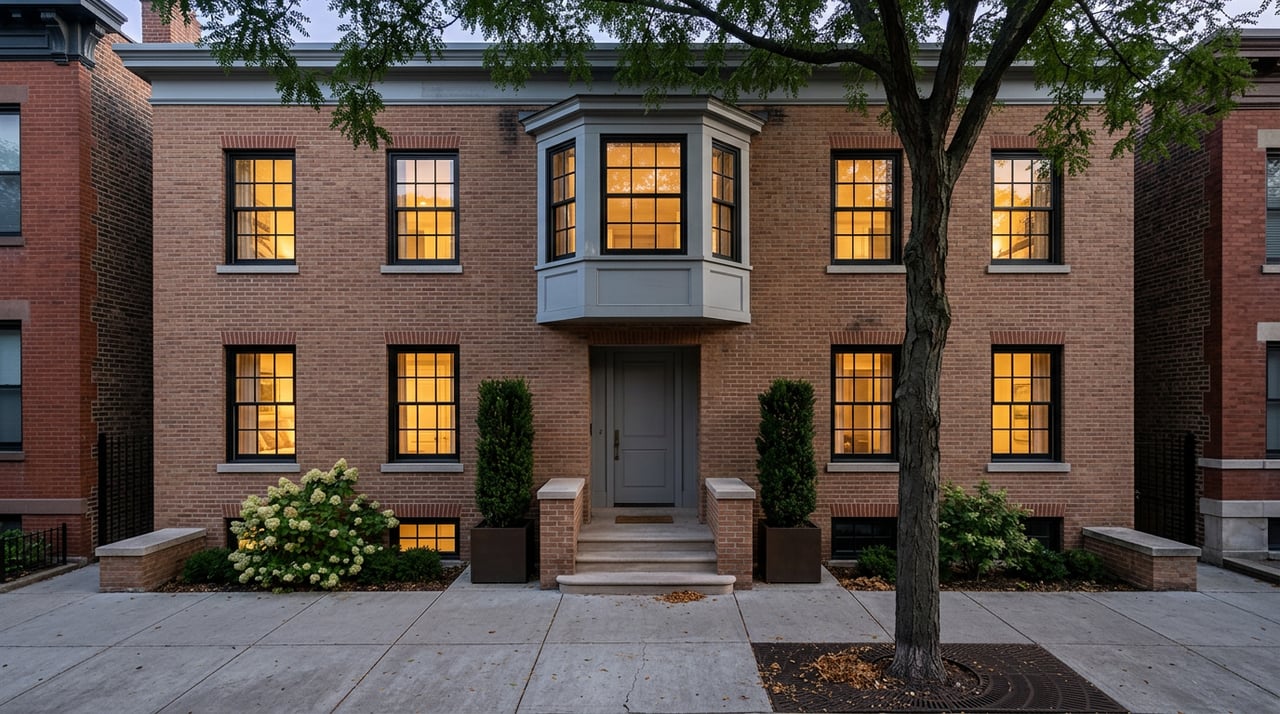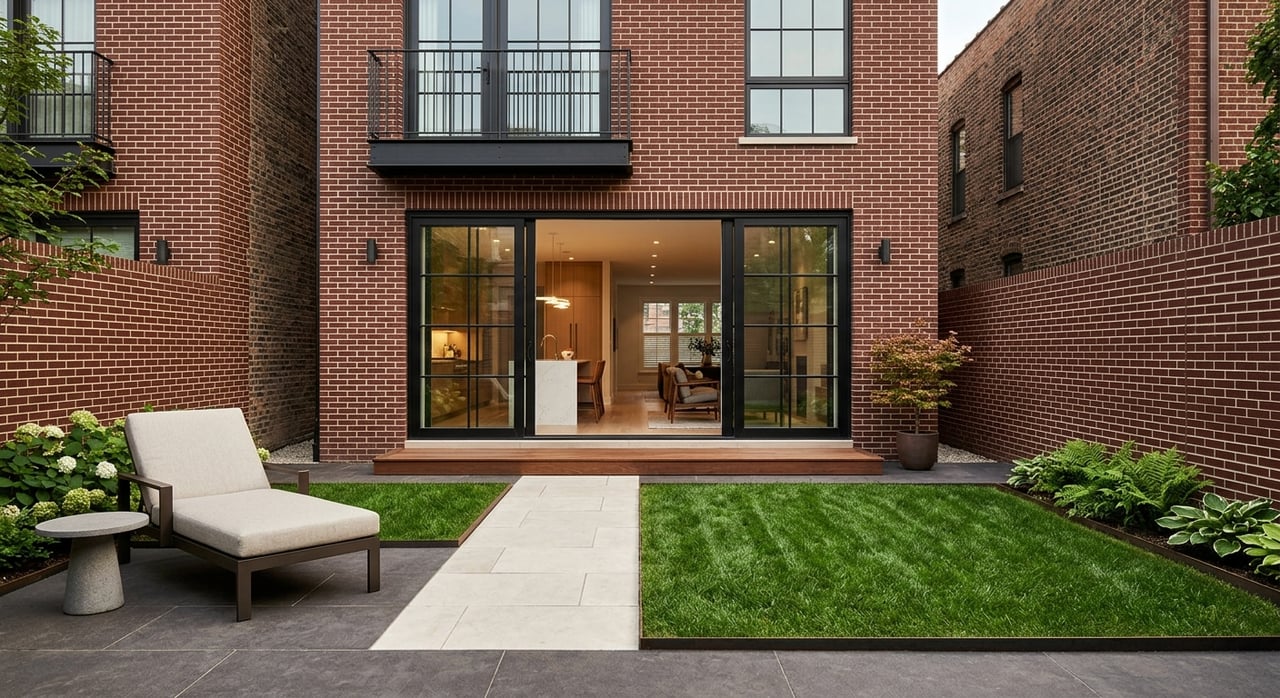
If you want to buy in Lake View, one of the first decisions is not just where to live, but how you want to live. In a neighborhood where condos, vintage walk-ups, and a smaller number of detached homes all coexist, the right fit often comes down to your daily routine, budget, and tolerance for shared rules or hands-on upkeep. This guide will help you compare a single-family home, a condo, and the in-between option of a vintage conversion so you can make a smart North Side buying decision. Let’s dive in.
Why this choice matters in Lake View
Lake View is not a neighborhood where detached homes make up most of the inventory. According to CMAP's 2019-2023 snapshot, just 6.3% of occupied housing units are detached single-family homes, while 25.2% are in 2-4 unit buildings and 49.4% are in buildings with 20 or more units. That means condo living is not the exception here. It is a very normal part of the market.
The neighborhood's housing history also shapes what you see today. Lake View includes older houses, row houses, small apartment buildings, three-flats, courtyard buildings, and larger apartment buildings, with condo construction and conversions accelerating in the 1970s. For you as a buyer, that means the ownership structure can matter just as much as the block or the building style.
Lake View housing stock at a glance
Lake View has a strong multi-unit character, and that affects both lifestyle and resale. CMAP reports 56,766 occupied units in the area, with 37.4% owner-occupied and 62.6% renter-occupied. The same data shows that one-person and two-person households make up a large share of the neighborhood, which helps explain why condos remain such a major part of the buyer pool.
The housing stock also trends older. The median year built is 1962, and 35.3% of units were built before 1940. In practical terms, that often means vintage charm, established building types, and a need to look carefully at condition, upkeep, and building management.
Single-family homes: privacy and control
If your top priorities are privacy, autonomy, and long-term control, a detached single-family home may be the clearest fit. You control the property directly, and you do not answer to a condo board for exterior decisions or shared building matters. That can be especially appealing if you value private outdoor space, direct entry, or a more self-contained ownership experience.
The tradeoff is responsibility. As the owner of a detached home, you are generally responsible for routine maintenance and repairs, from smaller fixes to major projects like roof replacement. You gain freedom, but you also carry the full maintenance burden.
In Lake View, scarcity is part of the appeal. Since detached homes make up only a small share of the housing stock, they often stand apart from the larger condo market. For many buyers, that creates a different value proposition centered on privacy, land, and a more limited supply.
Condos: convenience and lower entry price
A condo can be the right answer if you want a lower purchase price point and less exterior upkeep. In Illinois, condo ownership typically gives you control over the interior of your unit, while the association manages common elements and handles maintenance, repair, and replacement through assessments. That structure can simplify ownership if your schedule is full or you prefer shared management of the building.
Condo living does come with tradeoffs. You usually have less autonomy over common and limited common elements, and owners often need board approval before making certain changes. The board may also enter a unit when needed for maintenance or emergency repairs involving common elements.
In Lake View, condos are also the more common ownership path. Because so much of the neighborhood consists of multi-unit buildings, condos often offer a practical way to buy into the area without the price point of a detached home. They tend to win on accessibility, convenience, and a more manageable entry into the market.
Vintage conversions: the middle ground
For many North Side buyers, the real decision is not strictly house versus high-rise condo. It is whether a smaller vintage conversion offers the balance they want. In Lake View, 2-4 unit buildings make up a meaningful share of the housing stock, and many of these homes feel more intimate and house-like than a larger condo building.
That said, if a unit is condominiumized, it still functions legally like condo ownership. You may enjoy more character, a different floor plan, or fewer neighbors, but you still need to account for shared responsibilities, association rules, and common-element decision making. For buyers who want architectural charm with some compromise on autonomy, this category can be especially compelling.
Comparing costs in Lake View
Price is often the headline, but your monthly cost matters more than the purchase number alone. The Cook County Assessor's Lake View Township materials estimated 2024 median market values at $1.063 million for single-family homes and $301,000 for condos. The same source notes 2023 median sales prices of $1.169 million for single-family homes and $295,000 for condos.
That gap explains why many buyers start with condos. A lower purchase price can make entry easier, but it does not always mean lower monthly carrying cost. You need to look at the full budget, including mortgage, property taxes, insurance, utilities, maintenance, and any HOA dues.
For taxes, single-family homes and condos in Cook County both have a 10% level of assessment. In other words, the tax difference is driven more by property value, exemptions, and equalization than by a different assessment ratio for one property type versus the other. That makes side-by-side cost analysis especially important when you compare homes in different price bands.
The condo budget details buyers should review
When you buy a condo in Illinois, the association budget matters. The state's condo handbook explains that associations use reserve studies to plan for deferred maintenance and capital repairs. If reserves are weak or expenses run higher than expected, the result can affect future budgets, regular assessments, or special assessments.
That is why a condo with an attractive list price can still feel expensive month to month. Before you decide, review current dues, what they cover, whether reserves appear adequate, and whether major building work may be approaching. In Lake View's older housing stock, this step is especially important.
Resale depends on what buyers value
In Lake View, resale logic is not the same for every property type. Detached homes tend to compete on scarcity, privacy, parking, outdoor use, and land. Because they are relatively rare in the neighborhood, they often appeal to buyers who are willing to pay more for control and separation.
Condos tend to compete on convenience, access, and lower entry price. Lake View's household profile supports that demand, with one-person households at 50.8% and two-person households at 32.8%. At the same time, condo resale is often more sensitive to HOA dues, reserves, and building rules than a detached home sale.
Vintage conversions can attract buyers who want a more residential feel without stepping fully into single-family pricing. Their appeal often comes from layout, character, and smaller-building living. But they still require careful review of shared systems, association structure, and owner responsibilities.
How to decide what fits you best
The right answer usually becomes clear when you focus on your lifestyle first, then match it to the ownership structure. In Lake View, that matters because the neighborhood offers several versions of urban homeownership, each with a different balance of privacy, cost, and convenience.
A detached single-family home may fit best if you want:
- More privacy
- Full control over maintenance decisions
- Direct outdoor use or more separation from neighbors
- A property type that is relatively scarce in Lake View
A condo may fit best if you want:
- A lower purchase price point
- Less exterior upkeep
- Shared management of building maintenance
- A property type that aligns with much of Lake View's housing stock
A vintage conversion may fit best if you want:
- A house-like feel in a smaller building
- More character than many newer condos
- Fewer units and a more intimate setting
- A willingness to navigate shared ownership rules and responsibilities
A smart Lake View buying strategy
In this neighborhood, the better question is often not, "Should I buy in Lake View?" It is, "Which ownership model supports the way I actually want to live?" A detached home, a condo, and a vintage conversion can all be excellent choices here, but they solve different problems.
If you are weighing tradeoffs between privacy, upkeep, monthly cost, and long-term flexibility, a clear comparison can save you time and help you avoid buying the wrong kind of home for your lifestyle. The most successful buyers usually decide with both numbers and daily living in mind.
If you want a more tailored Lake View buying strategy, Cadey O'Leary Collection offers senior-led guidance for discerning North Side buyers who want a thoughtful, highly personalized approach.
FAQs
What is more common in Lake View: condos or single-family homes?
- Condos and other multi-unit homes are far more common. CMAP data shows only 6.3% of occupied units are detached single-family homes, while most housing is in multi-unit buildings.
What should Lake View condo buyers review before making an offer?
- Review monthly assessments, what the dues cover, the association's reserve planning, and whether future repairs could affect the budget or lead to special assessments.
Are Lake View vintage conversions the same as single-family homes?
- No. Even if a vintage conversion feels more like a house, it usually functions legally as condo ownership if the building is condominiumized.
Do condos and single-family homes get taxed differently in Cook County?
- Both property types have a 10% level of assessment in Cook County, so tax differences are driven mostly by value, exemptions, and equalization.
How do Lake View buyers usually choose between a condo and a house?
- Buyers often choose based on privacy, maintenance responsibility, purchase price, monthly carrying costs, and how much they want to manage directly versus share through an association.