Seen “East of Broadway” on a Lakeview listing and wondered what it actually means? If you are comparing lake access, commute time, and long‑term costs, that phrase is a helpful clue. In this guide, you will learn what the label covers, the housing you will find there, lifestyle trade‑offs, and how micro‑location affects pricing and monthly carrying costs. Let’s dive in.
What “East of Broadway” means
“East of Broadway” is local shorthand for the slice of Lakeview that sits between Broadway and Lake Michigan. It roughly aligns with what many call Lakeview East, but it is not an official city boundary. The City of Chicago’s community areas do not define “east of Broadway” as a legal line, so agents use it to signal proximity to the lake and its amenities. You can review official community‑area maps for context on how Chicago maps neighborhoods at a high level on the city’s site for community areas.
In everyday use, the area stretches from Broadway east to the lake, across residential streets and the Broadway commercial corridor. The north–south edges vary by who you ask, but many references include the blocks near Diversey Parkway, Belmont, and Addison. When you see the phrase in a listing, it is a quick orientation marker that you can verify by dropping the address on a map.
Why the line matters to you
Broadway is a visible diagonal that separates different housing patterns and micro‑markets. East of it, buildings close to the lake skew toward mid‑ and high‑rise condos, often with doormen and shared amenities. That mix creates distinct pricing and monthly cost profiles compared with properties on Broadway or west of it. The label also hints at walkability, recreational access, and parking realities that shape daily life.
Housing you will find
Lakefront towers and mid‑rises
Along and near the lakefront, you will find a concentration of mid‑ and high‑rise condominium buildings. These range from mid‑century towers to newer luxury developments. Many offer amenities like a doorman, gym, pool, and on‑site management, which is convenient but typically translates into higher monthly HOA or assessment fees. If a lake view or a full‑service building is a priority, plan for those ongoing costs in your budget.
Vintage walk‑ups and flats
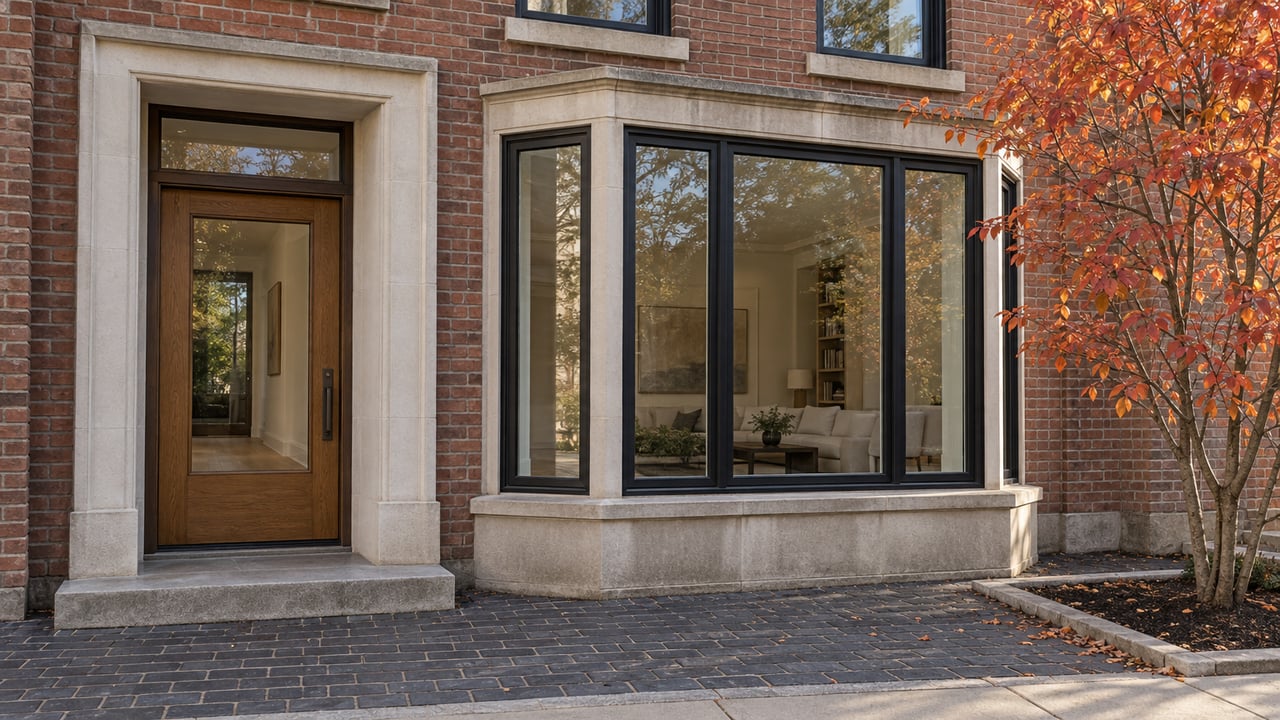
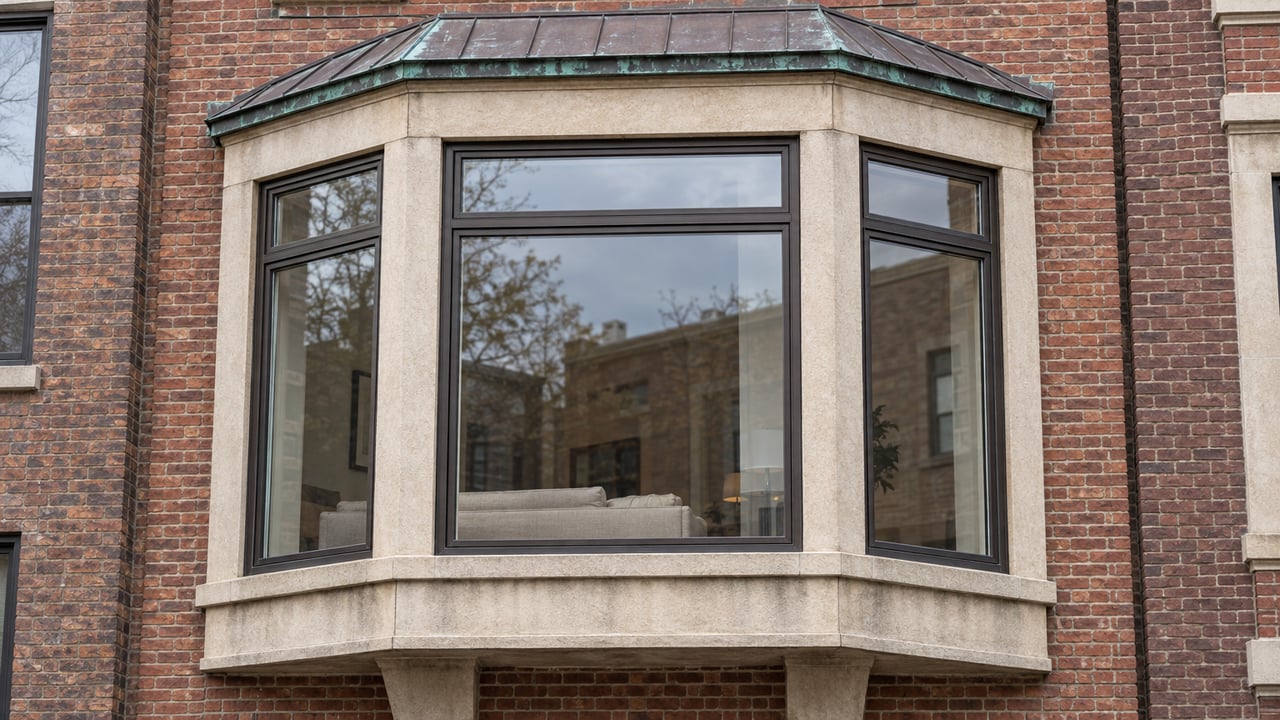
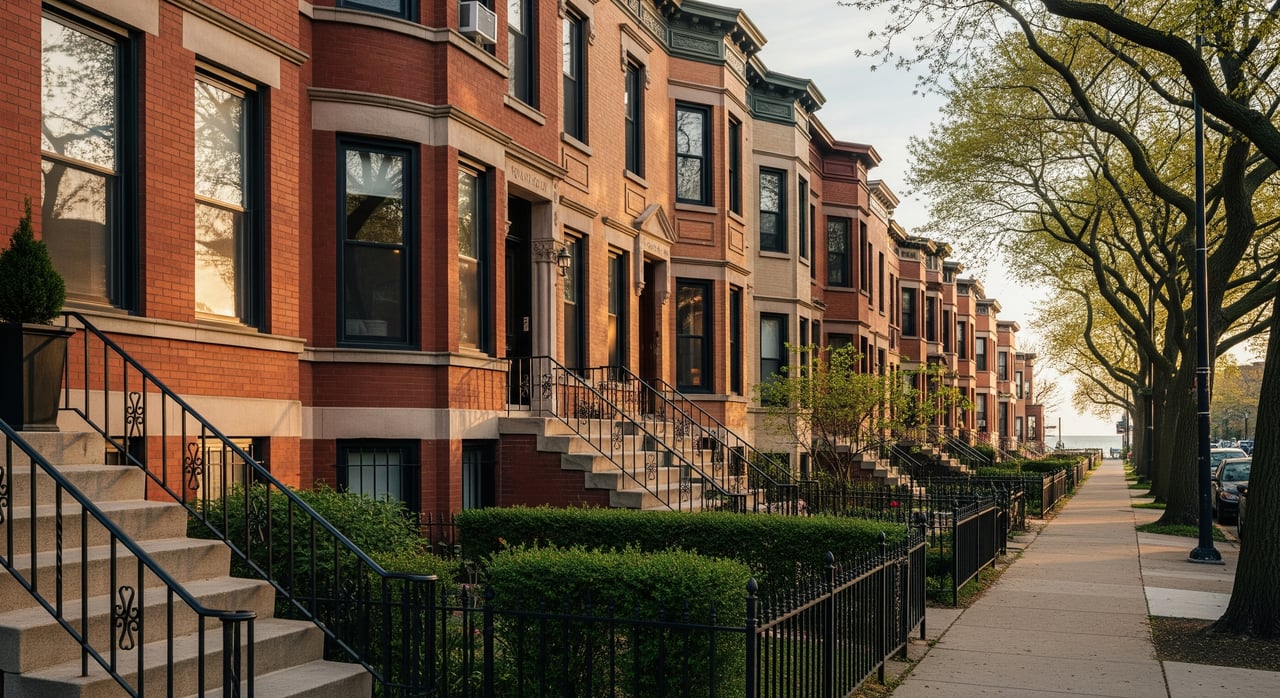
Step a few blocks west from the water and you will see vintage masonry walk‑ups, 2‑ and 3‑flats, and classic greystones. These buildings often have character, tall ceilings, and established trees on quieter residential streets. Monthly fees can be lower than in amenity‑rich towers, though maintenance and special assessments can vary widely by association. Review the building’s reserve study and recent project history before you write an offer.
Rowhouses and single‑family pockets
Rowhouses and fee‑simple single‑family homes appear in limited pockets. These tend to be less common east of the immediate lakefront but do exist, often closer to the Broadway, Clark, and Halsted corridors. If you want more privacy or outdoor space, inventory can be tight and price per square foot may feel higher than comparable homes farther west.
Parking and storage
Parking is the pinch point. Many east‑of‑Broadway buildings do not include a deeded garage stall with the unit. If you own a car, you may need to lease a space nearby or factor in the price of a deeded stall where available. On‑street parking is competitive, and Chicago uses a residential permit system in various zones, so check the specific address for local rules before you decide.
Lifestyle and amenities
Lakefront and parks
The lake is the star amenity. Living east of Broadway puts you close to the Lakefront Trail, harbors, beaches, and green space. If your routine includes running, cycling, sailing, or open‑air time with a coffee and a view, you will likely use the trail and waterfront frequently. Learn more about the Lakefront Trail and nearby beaches such as Montrose Beach through the Chicago Park District.
Walkability and dining
Broadway, Clark, and Halsted host dense stretches of restaurants, bars, grocery stores, theaters, and services. Most daily errands can be done on foot in many blocks east of Broadway. For a general sense of how analysts rate walkability, see the methodology on Walk Score, which often classifies Lakeview as very walkable and transit friendly.
Events and Wrigley Field
The energy of Wrigleyville sits just west of Broadway. On game days and during concerts, you can expect more foot traffic, rideshare activity, and parking restrictions on nearby streets. If you prefer quieter evenings, pay attention to a building’s location, unit orientation, and sound attenuation when you tour.
Transit and parking realities
CTA access
Transit coverage is strong across Lakeview, and many blocks east of Broadway are within a reasonable walk of CTA bus routes and Red or Brown Line stations. Exact convenience is hyper‑local, so a two‑block difference can change your daily commute. If rapid transit matters to you, time the walk during a showing. For maps and route planning, start with the CTA system.
Street use and permits
Competition for curb space is real east of Broadway. Expect to rely on paid garages, building‑managed lots, or residential permits, depending on your block. If you plan to host frequent guests, check a building’s guest parking policies and surrounding garage options early in the process.
Price and carrying cost patterns
Proximity to the lake often brings a price premium, especially within a few blocks of the water or in units with direct lake views. That premium varies by building class, view orientation, and market conditions. It can also show up in monthly costs, not just purchase price.
- HOA and assessments: Amenity‑rich towers with doormen, pools, and gyms usually carry higher monthly fees. In smaller vintage associations, fees can be modest but may rise around major projects, so review recent and planned work.
- Parking: Budget for a deeded stall or a monthly garage lease if the unit does not include parking. This is a recurring cost many buyers account for separately from HOA dues.
- Property taxes: Cook County taxes are based on assessed value and can be higher for homes closer to desirable amenities or with prime views. You can look up parcel‑specific assessments and history through the Cook County Assessor and payment details via the Cook County Treasurer.
- Insurance and utilities: Condo insurance and utilities follow typical Chicago patterns, but high‑rise buildings with extensive amenities may allocate certain costs through the association budget. Review the declaration, budget, and master insurance certificate to understand coverage and owner obligations.
On resale, homes close to the lake often benefit from steady demand, which can support price resilience. That said, luxury inventory can be sensitive to new supply and broader market shifts. Pricing discipline and building‑specific comps are key to setting expectations.
Smart buyer checklist
Use this quick checklist to do precise due diligence on a home east of Broadway:
- Verify the map: Confirm the address is truly east of Broadway and measure your distance to the Lakefront Trail, beach access, and the nearest CTA station.
- Examine building documents: Request bylaws, budget, reserve study, insurance certificate, meeting minutes, and a history of special assessments and capital projects.
- Understand HOA health: Check rental ratios, litigation history, and planned work that could affect fees or resale.
- Parking and storage: Confirm whether parking is deeded, assigned, or leased, plus storage availability and guest policies.
- Noise and events: Tour during a weekend or evening and review event calendars to gauge traffic and sound around Wrigley and nearby venues.
- Comps and price per square foot: Compare recent closed sales in the same building and within the same “distance‑to‑lake” band to understand premiums for views and proximity.
- Property taxes: Pull the parcel on the Cook County Assessor to review assessed value, exemptions, and appeals history.
- Commute test: Walk to the station or bus stop you will use and time a door‑to‑door sample commute.
Is “east of Broadway” right for you?
If daily lake access, a high‑walkability lifestyle, and quick transit link up with your priorities, the east‑of‑Broadway micro‑market delivers. You will weigh higher HOA fees in amenity buildings and tighter parking against recreational access and vibrant commercial streets. For many buyers, the trade is worth it. The key is to analyze building health, true monthly costs, and location on a block‑by‑block basis.
If you want a senior‑led, data‑driven approach to the decision, we are here to help. When you choose me, you work with me. Start a tailored search or pressure‑test your plan with the Cadey O'Leary Collection.
FAQs
What does “east of Broadway” mean in Lakeview real estate?
- It refers to the blocks between Broadway and Lake Michigan, a local label agents use to signal lake proximity and a distinct mix of buildings and amenities; it is not an official boundary defined by the city.
Are HOA fees higher east of Broadway in Lakeview?
- Often yes in amenity‑rich towers with doormen and gyms, while fees in smaller vintage buildings can be lower but may spike with special assessments; review each association’s budget and reserves.
How is parking different east of Broadway in Lakeview?
- Many buildings do not include deeded parking, so you may need a leased garage space or a spot in a building lot; curb parking is competitive and may require residential permits.
Does living near Wrigley Field affect daily life east of Broadway?
- On game and concert days you can expect more traffic and parking restrictions; unit orientation, building soundproofing, and your exact block determine how much you feel the impact.
How close are CTA options east of Broadway in Lakeview?
- Transit is strong but hyper‑local; many blocks are near frequent bus routes and within walking distance of Red or Brown Line stations, which you can confirm using the CTA system.
Do properties east of Broadway have higher property taxes?
- Tax rates are countywide, but assessed values can be higher near desirable amenities or prime views; verify a specific parcel’s assessment through the Cook County Assessor.