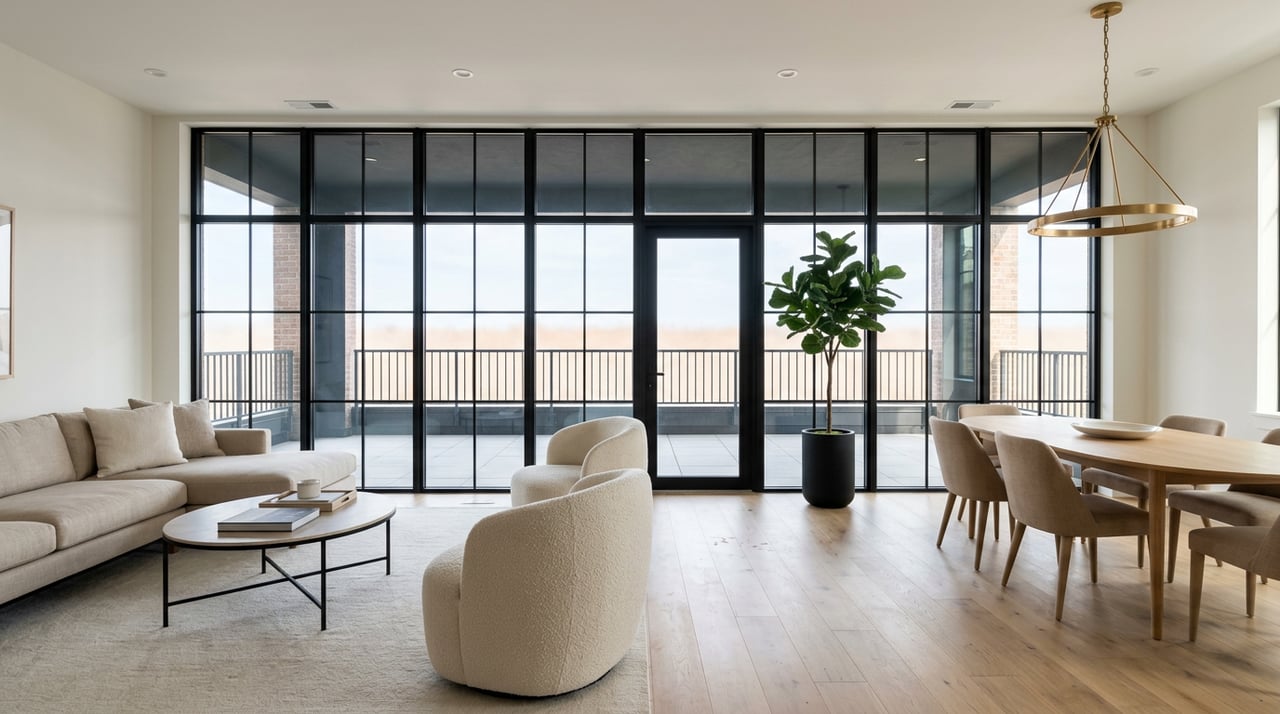
You can sell out a boutique West Loop condo building in this cycle. The key is building a plan that fits how buyers actually shop, how lenders approve projects, and how Illinois law treats deposits and disclosures. In this guide, you will get a clear, step-by-step approach to product, pricing, presales, marketing, and risk so you move from reservations to recorded closings with confidence. Let’s dive in.
Understand West Loop demand
The West Loop is active across a range of price points, with a premium tier close to Fulton Market and the Fulton River District. Recent neighborhood snapshots show median sale prices in the low to mid $500Ks, price per square foot in the high $300s, and longer days on market for average resales. Do not peg your pricing to neighborhood headlines alone. Use street-level comps and current new-construction comparables to set your initial release strategy.
Rents and rental demand remain strong for 1 and 2 bedroom homes, which helps you underwrite investor interest and backstop pricing for smaller footprints. You can use ongoing rent trends as a reality check when modeling investor yields and buyer monthly costs, drawing on market trackers for the West Loop that show consistent 1 to 2 bedroom demand. See the latest neighborhood rent trends in sources like RentCafe’s West Loop tracker.
In the premium pocket near Fulton Market, buyers will pay for design, light, and location. Local coverage shows strong sell-through for well-positioned boutique product and slower absorption for larger luxury towers elsewhere in the city. The lesson is simple. Positioning and execution matter more than neighborhood averages, as noted in recent market reporting on luxury condo sell-through.
Design the right unit mix
A boutique West Loop building typically performs best with a mix weighted to 1 and 2 bedroom homes. The buyer pool skews toward single professionals, couples, and downsizers who value efficient plans and quality finishes. Compact 1 bedroom and micro formats have also shown traction when executed thoughtfully. The Chicago Association of REALTORS highlights continued interest in smart, smaller footprints in its discussion of micro-housing opportunities.
A practical baseline for an 8 to 40 unit building could include approximately 45 to 60 percent one bedroom and one bedroom plus den, 30 to 40 percent two bedroom, a small allocation of studios or compact one bedrooms, and one or two larger three bedroom or penthouse homes. Keep optionality limited to simplify construction and preserve margins. Buyers respond to clarity and good bones more than to an overwhelming upgrade menu.
Plan parking and amenities to fit scale
Parking is expensive to build. Where zoning or buyer expectations call for it, consider selling stalls separately as parking units or limited common elements. Verify district rules early, including any parking, FAR, or open space requirements under Chicago Municipal Code Title 17. You can review the ordinance framework in the Chicago Zoning Code resource.
Boutique buildings often win with high-impact, low-carry amenities. Think usable roof decks or terraces, a well-designed lobby, secure package management, and a compact fitness space, rather than hotel-style services that raise HOA fees. Keep the operating budget simple and predictable for buyers and lenders.
Know the Illinois rules that protect buyers
Illinois law governs how you disclose and handle money from the first day you market. The Illinois Condominium Property Act requires you to furnish the declaration, bylaws, a projected operating budget with reserves detail, and floor plans before contract execution. If an item is missing, buyers have the right to void the contract within a defined period. Review the core requirements directly in the Illinois Condominium Property Act.
Initial sale deposits must be escrowed in a segregated, interest-bearing, federally insured account. Interest on escrowed funds is credited to the purchaser in most scenarios. Your contracts and offering materials should clearly state the escrow bank, account mechanics, disclosure timing, rescission language, and interest treatment.
Protect warrantability with smart project design
Most buyers will need conventional financing, so your project should remain eligible for sale to the GSEs. Fannie Mae and Freddie Mac apply project standards that include single-entity ownership limits, owner-occupancy expectations, HOA financial health, and restricted non-incidental income. Preserve your buyer pool by staying within these thresholds and by funding realistic reserves. Review the key criteria in Fannie Mae’s project standards.
Practical steps include limiting investor concentration during early sales, setting an initial HOA budget that credibly funds reserves, and documenting a path to owner occupancy. These decisions directly affect a buyer’s ability to secure market-rate mortgage financing and therefore your absorption.
Price in tranches, not guesses
A release strategy in clear tranches gives you control and creates urgency. Start with VIP or early-bird pricing for a limited block of homes, then step pricing up as milestones are hit. Hold back a final set of premium residences to maintain scarcity and protect margins.
Buyers evaluate net monthly cost, not just a headline price per square foot. Model HOA fees and taxes into your monthly payment comparisons so you price where your primary buyer bands can transact. Cook County property taxes are a meaningful line item. Use a transparent assumption informed by public tools such as the Illinois property tax calculator to keep your pro forma aligned with buyer expectations.
Get presales right with your lender
Construction lenders often require a presale threshold that reflects market conditions, project size, and sponsor strength. Market guidance ranges from 20 to 70 percent, and what counts can be very specific. Secure a term sheet early so you know deposit mechanics, assignability rules, and contingencies that qualify as bona fide presales. See a practical overview of presale dynamics in this condo construction loan guide.
Structure your reservation-to-contract flow to comply with Illinois escrow rules and your lender’s standards. Use small, refundable reservations to capture interest, then convert to purchase agreements with staged deposits that sit in escrow as required by law. Provide the offering documents early so buyers are not relying on rescission windows for core information.
Use narrative marketing and tech to speed absorption
Story beats features. Buyers connect faster when they can see themselves living a day in your building, especially in the West Loop where restaurants, walkability, and workspace proximity drive value. The local association underscores how storytelling builds trust and conversion in this guidance for agents. Build your campaign around a lifestyle arc that includes chef-driven dining, morning coffee walks, and easy commutes.
Pair that narrative with high-quality visuals and interactive tools. Professional photography, precise floor plans, and 3D or virtual walkthroughs have been shown to increase listing engagement and generate more qualified leads. Industry analyses highlight that listings with 3D tours attract more views and shorten time on market, a critical edge for out-of-town and time-compressed buyers. See a summary of performance lift in these real estate visual marketing statistics.
Operationalize the marketing with a CRM built for new development. Track lead source, tranche interest, and pre-approval status. Require buyer pre-qualification before counting a unit toward presales, and maintain a disciplined follow-up cadence from digital inquiry to sales center appointment.
Build a compliant, lender-friendly HOA budget
Your initial HOA budget should be straightforward, adequately funded, and consistent with GSE expectations. Underfunded reserves or excessive non-incidental business income can jeopardize project eligibility. Many lenders view reserve allocations under a modest percentage of the budget as a red flag. Review HOA expectations and budget pitfalls within Fannie Mae’s project standards.
Plan master insurance, fidelity coverage, and warranty processes early. New-construction condos can attract defect claims if issues surface. Buyers and lenders will ask how you handle remediation and assessments. Keep your coverage and warranty language clear and consistent with Illinois requirements in the Condominium Property Act.
Validate zoning and entitlement early
Confirm permitted unit count, parking, commercial use mix, and any special approvals before you invest in marketing collateral. Title 17 governs density, height, parking, and use across Chicago subdistricts, including the Near West Side. If your program departs from by-right zoning, engage a zoning attorney or planner early. The Chicago Zoning Code overview is a useful reference point for scope and terminology.
A 90-day West Loop launch plan
- Weeks 1 to 2: Finalize offering package, contract templates, and escrow agreements. Confirm the lender term sheet and what counts toward your presale target.
- Weeks 3 to 4: Produce photography, renderings, floor plans, and 3D tours. Build your brochure site and CRM, segmenting by unit type and tranche.
- Weeks 5 to 6: Soft-launch to a curated broker list with VIP pricing for a limited number of homes. Open a model or sales center with clear co-broker incentives.
- Weeks 7 to 10: Public launch with narrative-driven ads, paid social, and short video. Release tranche 1, schedule weekly appointment blocks, and publish availability in real time.
- Weeks 11 to 12: Review conversion data, adjust pricing within a tested band, and prepare tranche 2. Offer time-limited incentives such as parking discounts or closing-cost credits tied to specific units.
Common risks and how to avoid them
- Relying on neighborhood headlines instead of street-level pricing. Use active comps and your buyer’s monthly cost view to price tranches.
- Ignoring GSE limits on single-entity ownership and reserves. Protect warrantability from day one.
- Complex amenities that inflate HOA dues. Keep operations lean and transparent.
- Marketing features without a lifestyle story. Lead with narrative, then deliver immersive visuals.
- Counting soft reservations as lender-eligible presales. Confirm standards in writing with your lender.
Why partner with a senior-led team
If you are developing a high-design, boutique building, you deserve senior attention and developer-grade marketing. Our team provides hands-on advisory, disciplined pricing, and narrative-driven campaigns that convert. We pair polished visuals with targeted distribution to meet sophisticated buyers where they make decisions.
If you want a sell-out plan tailored to your site, connect with the Cadey O'Leary Collection. We will pressure test your program, build your tranche calendar, and craft a marketing narrative that moves units at healthy margins.
FAQs
What makes West Loop condo buyers say yes?
- Clear layouts, quality light and finishes, reasonable monthly costs, and a location-connected story that shows how daily life will feel near restaurants and work.
How many presales do lenders usually require?
- Market guidance ranges from about 20 to 70 percent, and each lender defines what qualifies. Secure a term sheet early to avoid surprises.
How should I structure deposits in Illinois?
- Use a small refundable reservation, then staged deposits under a purchase agreement. All initial sale deposits must sit in a segregated, interest-bearing escrow account.
How do I keep my project “warrantable” for buyer loans?
- Limit single-entity ownership, plan for credible HOA reserves, avoid non-incidental income in the budget, and document a path to owner occupancy consistent with GSE guidance.
What unit mix sells fastest in boutique buildings?
- In the West Loop, a mix weighted to 1 and 2 bedrooms performs well, with a small share of compact formats and one or two larger premium homes where the site supports them.
Which marketing tools shorten time-to-contract?
- A lifestyle-driven narrative, professional photography, precise floor plans, and 3D tours, supported by disciplined CRM follow-up, typically drive more qualified showings and faster conversions.