Torn between the grit of exposed timber and the clean lines of concrete? If you are shopping lofts in Chicago’s West Loop, you see both styles everywhere, often in the same price band. It is a real choice about how you want to live day to day, not just a look. In this guide, you will learn the real differences in structure, sound, maintenance, safety, and resale so you can buy with confidence. Let’s dive in.
Timber vs concrete basics
What defines a timber loft
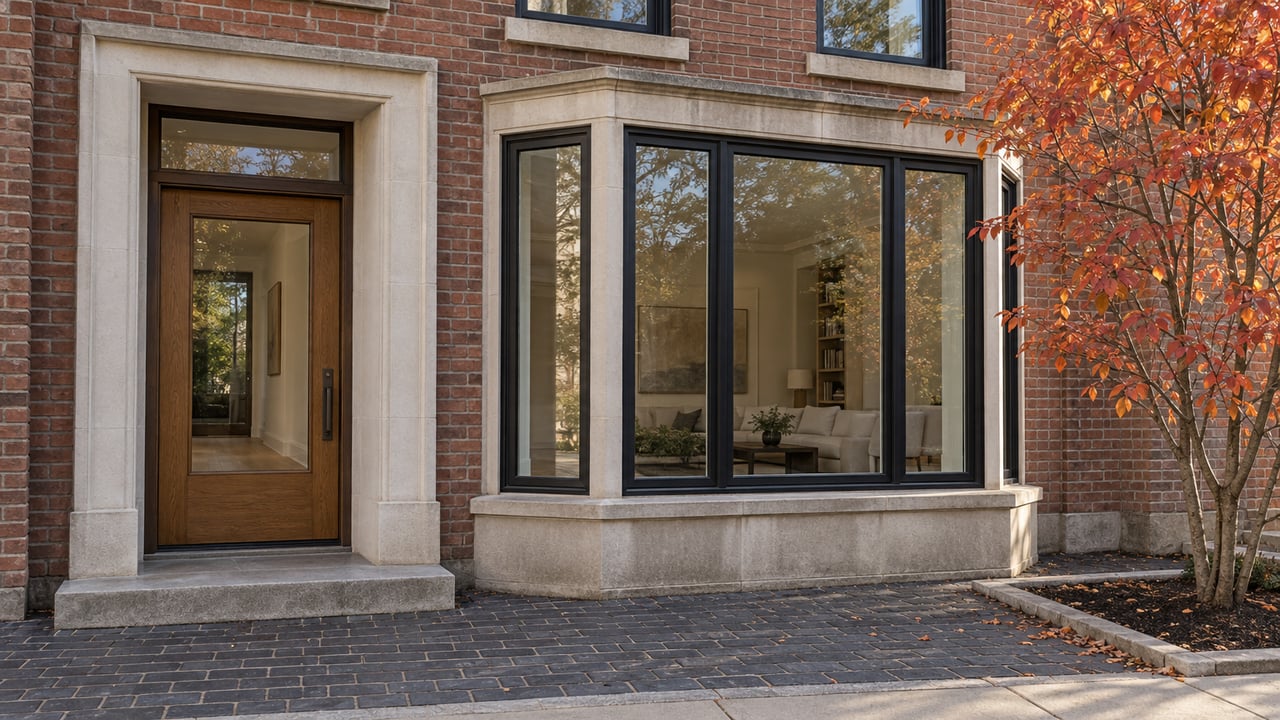
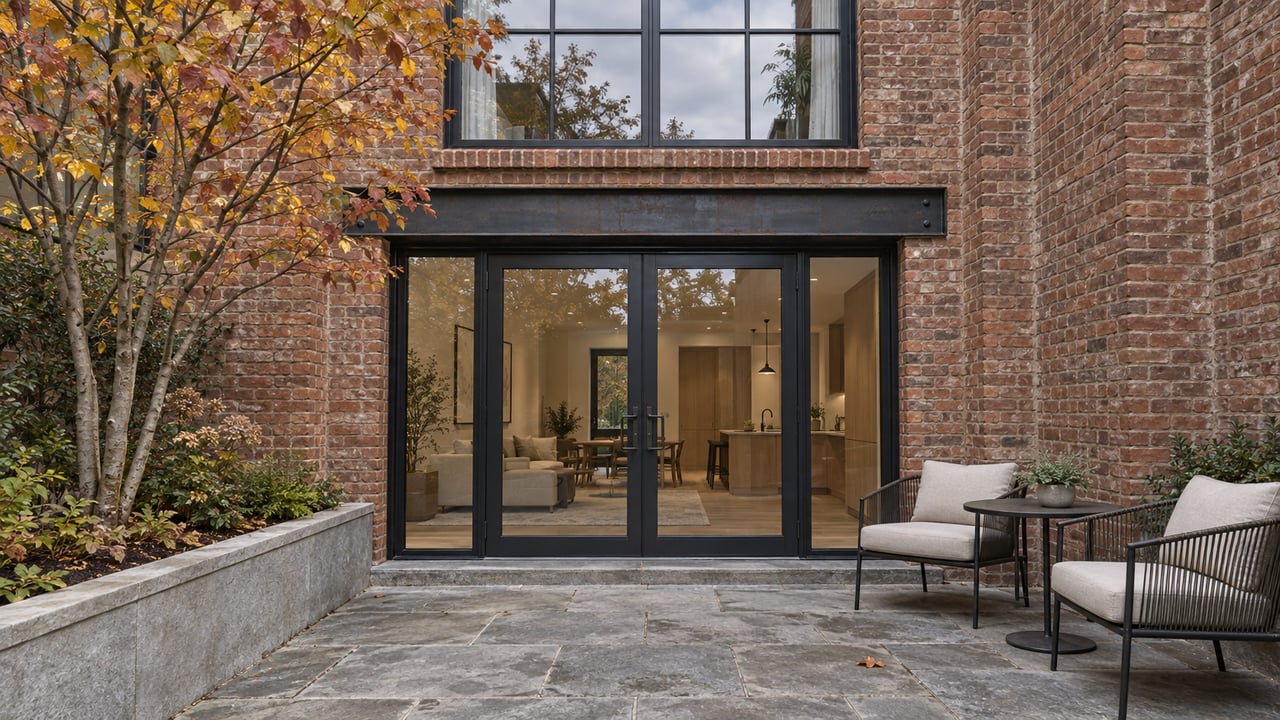
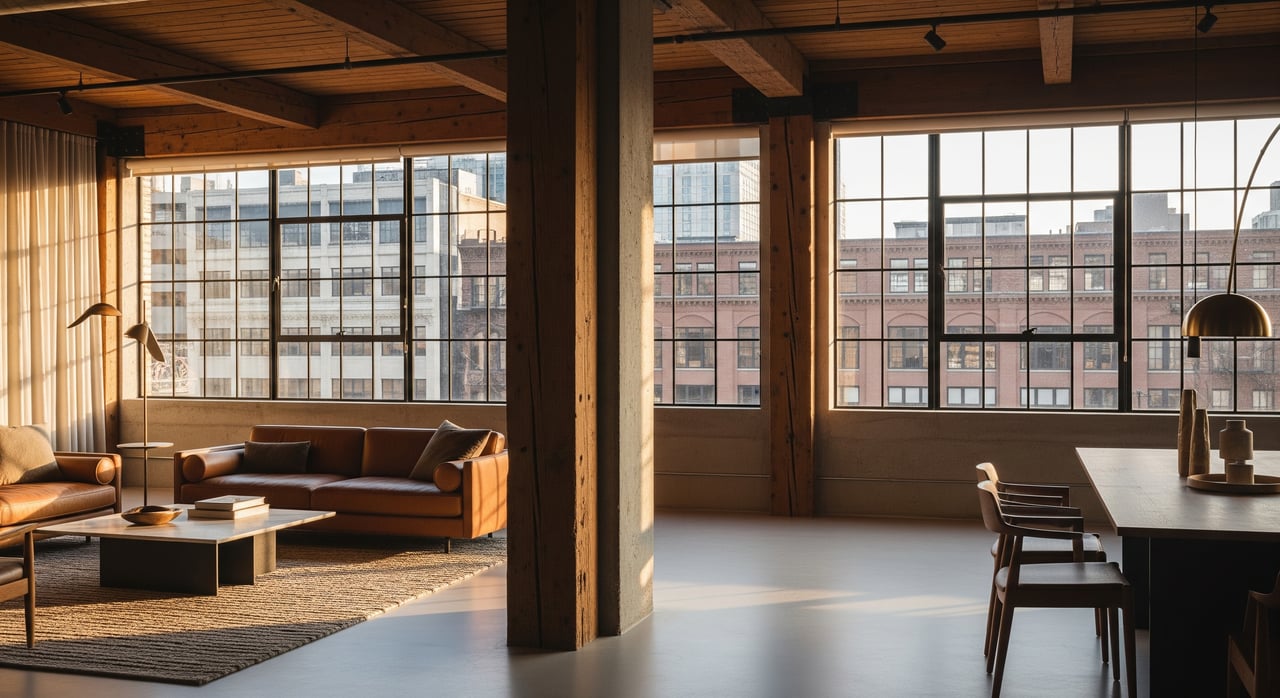
In the West Loop, many classic lofts began as 19th and early 20th century warehouses or factories. Authentic or “hard” lofts typically feature heavy timber beams and columns, brick exterior walls, and timber floor assemblies. Developers often leave these materials exposed, which creates the character many buyers love.
These buildings were adapted for residential use under Chicago permits and code. Depending on whether the property sits within a preservation overlay, some exterior features and select interiors may be protected. You get history, scale, and materials you can see and touch.
What defines a concrete loft
Newer “soft” lofts use reinforced concrete slabs and columns, sometimes with steel elements, to deliver loft-like proportions and modern systems. They are not usually conversions of industrial shells, even if they echo the look with tall windows and exposed ductwork. The result is a contemporary loft experience with integrated mechanicals and consistent construction.
Concrete’s mass affects how the building handles sound, temperature, and movement. For many buyers, that means a quieter, more predictable living experience.
How each one feels daily
Noise and vibration
Sound behaves differently in timber and concrete. Concrete assemblies typically achieve higher STC ratings for airborne noise and better IIC performance for impact noise when compared on a like-for-like basis. That usually means fewer footsteps overhead and more separation between units.
Timber floors can transmit more structure-borne sound, like heels or exercise equipment, especially where older joists and thin finish floors are present. Mitigations such as floating floors, acoustic underlayment, resilient channels, and added gypsum layers can improve performance, but real-world results depend on the specific details and workmanship.
Temperature and comfort
Concrete has higher thermal mass, which can help even out temperature swings. Timber buildings rely more on the performance of the envelope and windows. Many conversions upgraded insulation and glazing during adaptive reuse, but efficiency varies by project. When touring, pay attention to window type, drafts, and how quickly rooms warm or cool.
Movement and settlement
Older timber structures may show signs of historic movement or deflection. That is not unusual for century-old buildings, but it warrants professional evaluation if you see sloping floors or patched framing. Concrete can develop shrinkage cracks or spalling in certain conditions, which is also addressable but should be assessed by qualified professionals.
Aesthetics and layout
Timber character
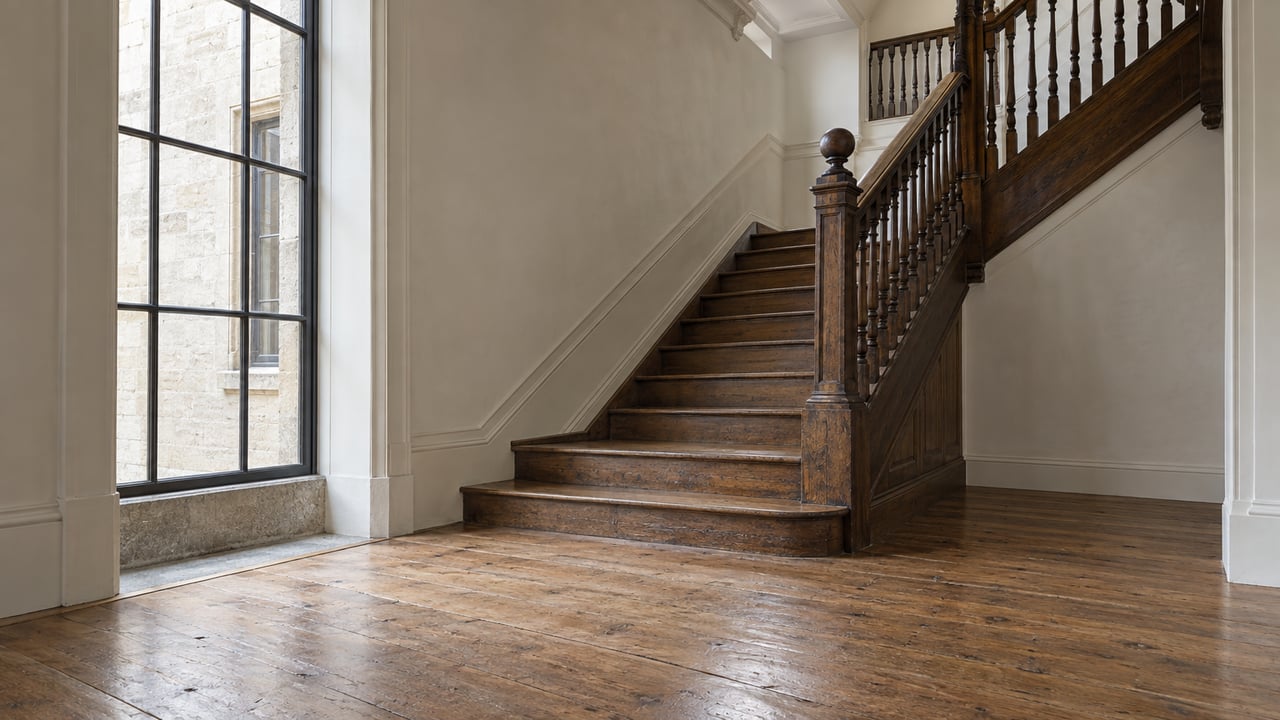
If you want authenticity, timber delivers it. You will find exposed beams, original brick, tall ceilings, wide factory windows, and open spans that tell the building’s story. These features can limit where you move walls or run ductwork, but they also create a one-of-a-kind backdrop that resonates with many buyers.
Modern concrete style
Concrete lofts lean modern and minimal. Exposed slabs, crisp columns, and polished floors pair with engineered finishes and integrated systems. You often get more flexibility in partitioning and easier integration for lighting and HVAC, which appeals if you want a clean, tailored space with fewer material quirks.
Maintenance and inspections
Timber maintenance focus
In timber conversions, moisture management is everything. Inspect roof and flashing, parapets, and masonry to avoid water intrusion that can damage wood members. Ask about tuckpointing history, window condition, and whether the conversion fully upgraded plumbing, electrical, and life-safety systems.
Look for any signs of rot, prior timber repairs, or notched beams. Historic single-pane windows may be part of the charm, but they can affect efficiency unless restored or replaced under appropriate guidelines.
Concrete maintenance focus
Concrete buildings require vigilance for cracks, spalling, and waterproofing at balconies and terraces. Sealants, expansion joints, and membranes should be on a regular maintenance cycle. Well-detailed mechanical chases and acoustic assemblies can keep systems accessible and units quieter, but shortcuts here can show up later as noise or vibration issues.
HOA and building costs
In both building types, the condo association typically owns and maintains the roof, facade, and major systems. Review HOA documents, reserve studies, and meeting minutes for evidence of planned tuckpointing, window programs, roof replacement, or concrete remediation. Special assessments for big items can impact your total cost of ownership.
Safety, code, and insurance
Heavy timber and reinforced concrete both perform predictably in fire, but in different ways. Heavy timber gains fire resistance from charring of large sections and is treated differently than light wood in codes. Concrete is noncombustible and often paired with robust compartmentation.
What matters most is the whole life-safety picture. Confirm the presence and condition of sprinklers, alarms, egress routes, and the scope of upgrades completed at conversion. Insurers evaluate materials and systems together, so well-maintained timber conversions with modern suppression can be competitive on premiums.
For due diligence, request permits and final inspections for the conversion, ask about as-built drawings, and verify any subsequent code updates or major building work.
Resale in the West Loop
Both product types sell, but they resonate with different buyers. Authentic timber lofts often draw a premium from buyers who value character and provenance. The buyer pool can be more specific, and top pricing depends on condition, ceiling height, windows, and the quality of the conversion.
Concrete or newer loft buildings tend to appeal to a broader audience that prioritizes turnkey systems, quiet interiors, and efficiency. That wider pool can support smoother resale velocity, especially if the building’s amenities and assessments are well balanced.
Appraisers will look for nearby comparable sales. Unique features are easiest to value when other similar units have traded, so your agent’s comps strategy and narrative matter.
Choose with a quick framework
- Choose timber if you want historic fabric, tactile materials, and a space that feels singular, and you are comfortable managing older-building maintenance through the HOA.
- Choose concrete if you prioritize quiet, thermal stability, and newer systems, and you prefer a modern, flexible canvas for design.
- Either way, consider floor height, window performance, acoustic assemblies, and the association’s reserves and planned work.
Buyer due diligence checklist
- Permits and inspections: Was the residential conversion permitted and closed out properly? Are there recent structural reports?
- Structure and envelope: Timber member condition or concrete cracking; roof, flashing, parapets, and masonry tuckpointing.
- Sound and comfort: Evidence of floating floors, underlayment, resilient channels, or added mass in ceilings and party walls.
- Systems and life safety: Age and service of HVAC and water heaters; sprinklers, smoke detection, and alarm systems.
- Windows and efficiency: Single vs double glazing, condition, and any planned replacement programs.
- HOA governance: Declaration and bylaws for responsibility splits, reserve studies, past special assessments, and current contribution rate.
- Insurance and claims: Association’s insurance coverage and any recent claims history that could affect premiums.
- Resale context: Recent comps for timber and concrete lofts in the building and immediate area, plus marketing considerations.
Ready for expert guidance
If you want a confident decision in the West Loop, pair product knowledge with clear due diligence. A senior-led advisory process helps you weigh structure, acoustics, efficiency, and resale so you buy the loft that fits both your lifestyle and your investment goals. If you are ready to compare options or want help pressure-testing a building’s HOA health and acoustic details, connect with the Cadey O'Leary Collection. We will meet you where you are, curate options, and get you to a result that feels right.
FAQs
Are West Loop timber lofts noisier than concrete lofts?
- Generally yes for impact noise; timber floors typically transmit more footsteps and vibration than concrete slabs, though acoustic upgrades can improve performance.
How do timber and concrete lofts compare on fire safety?
- Heavy timber has inherent fire resistance due to predictable charring of large members, while concrete is noncombustible; overall safety depends on sprinklers, compartmentation, and egress.
What maintenance risks are unique to timber loft conversions?
- Moisture-related issues like roof or masonry leaks that affect wood members, plus potential window restoration and periodic tuckpointing; scope varies by building and HOA plan.
What should I examine in a concrete loft building?
- Look for concrete cracking or spalling, balcony waterproofing, sealants and expansion joints, and the quality of acoustic and mechanical detailing.
Which type of loft resells better in the West Loop?
- It depends on buyer preferences and comps; timber can command premiums for character, while concrete often has broader appeal that can support faster resale.