You keep seeing “boutique condo” in Lincoln Park listings, but what does it actually mean for your lifestyle, budget, and resale prospects? If you value design and privacy but want to avoid surprise costs, getting clear on this term will save you time and reduce risk. In this guide, you’ll learn how boutique buildings differ from high‑rises, what amenities to expect, what to watch in financing and HOA health, and how to evaluate a specific address before you write an offer. Let’s dive in.
What “boutique condo” means
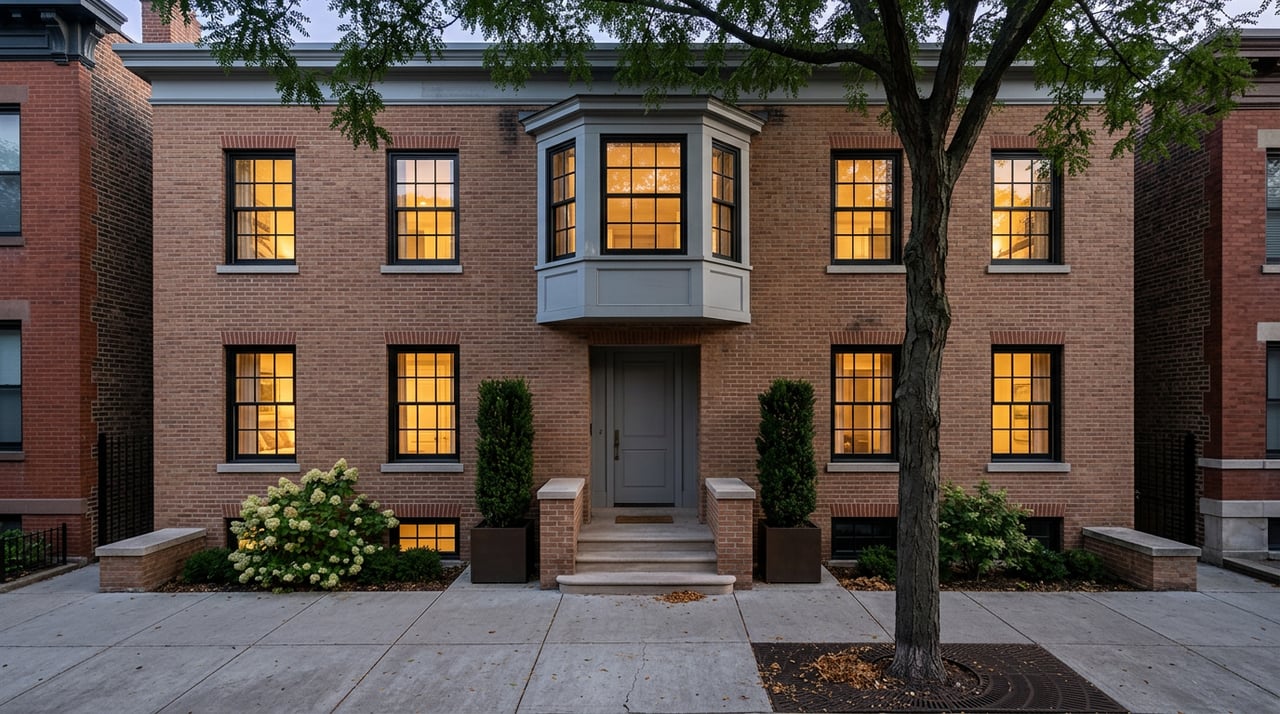
“Boutique” is a marketing term, not a legal category. Illinois condominium law governs how condos are formed and run, but it does not define boutique. In Lincoln Park, the label usually signals a small, design‑forward building with a limited number of residences and a more intimate feel than a large tower.
Most boutique buildings here include roughly 4 to 25 units. Some stretch slightly larger, up to about 40, when there are only a few homes per floor and a low or mid‑rise profile. The common thread is scale and design: fewer neighbors, more distinctive floor plans, and finishes that feel curated rather than standardized.
Common building types
You will see a range of boutique formats across Lincoln Park’s historic blocks:
- Historic conversions, like greystones, brownstones, and rowhouses split into a handful of condos.
- Purpose‑built low‑rise luxury buildings, often 2 to 8 stories with elevator access.
- New construction low to mid‑rise developments with strong architectural focus.
- Townhouse‑style condominiums with private entrances and multi‑level layouts.
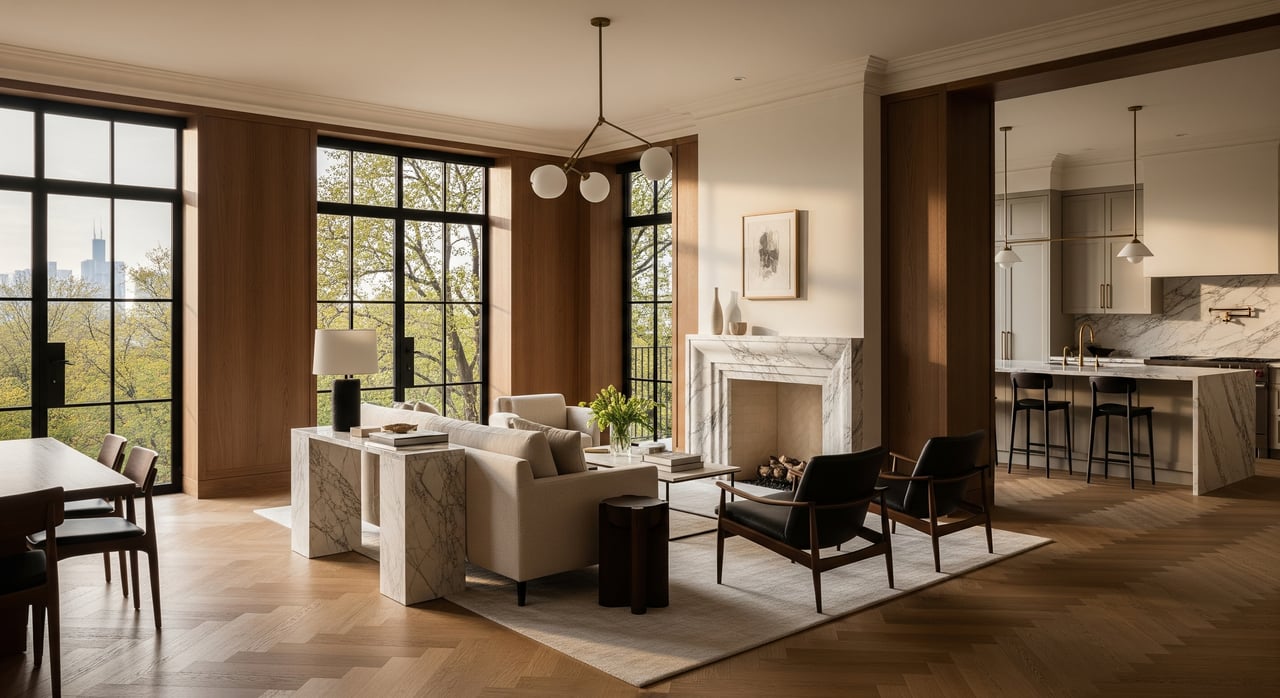
These properties tend to have fewer shared corridors, more personalized finishes, and private outdoor space. Many offer full‑floor residences or duplex layouts that maximize sunlight and privacy.
Services and amenities
Boutique buildings trade breadth of amenities for character and privacy. Expect:
- A small lobby or no formal lobby.
- Limited staffing, typically no 24/7 door staff. Some newer boutiques offer part‑time concierge or a superintendent.
- In‑unit laundry in many buildings; shared laundry can appear in very small or older conversions.
- Storage and bike rooms where space allows, though quantities can be limited.
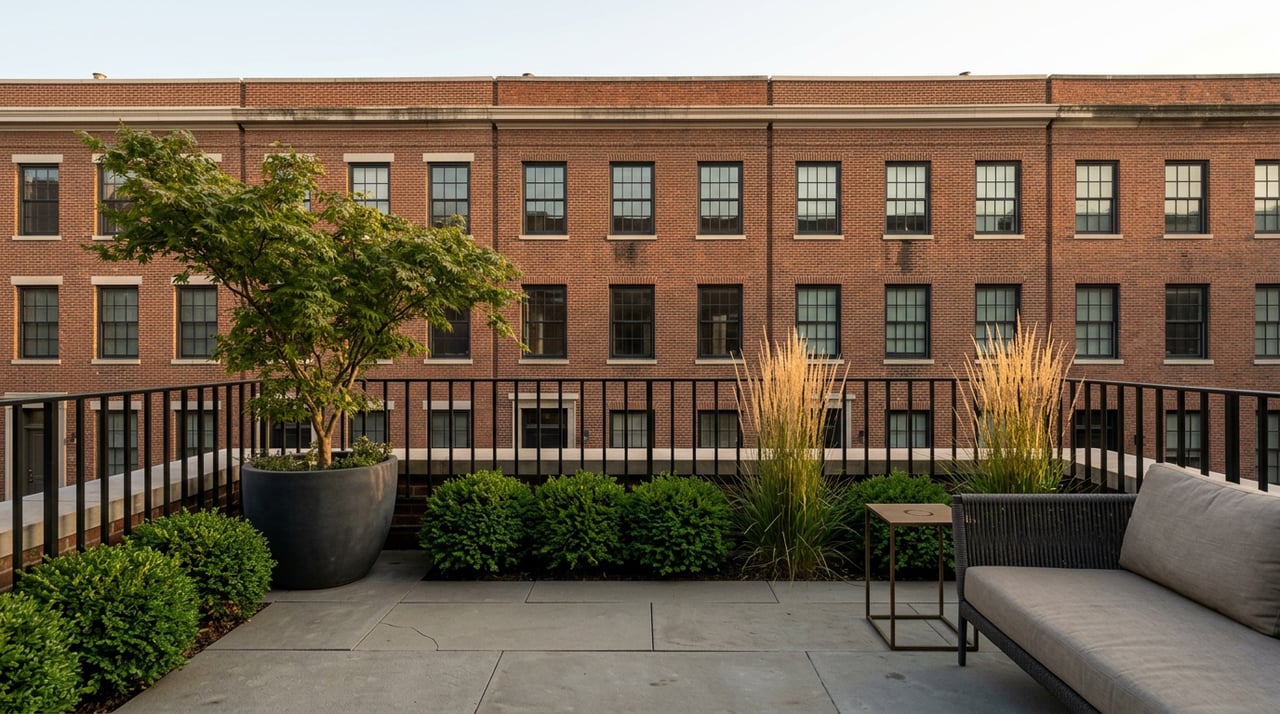
- Modest fitness rooms, roof terraces, or landscaped decks when the roof structure permits.
- Parking that varies by site. Some buildings have surface or single‑bay garages, while others rely on deeded spaces, valet arrangements, or street parking.
What you are less likely to find compared with high‑rises:
- Large clubrooms, business centers, indoor pools, and expansive fitness centers.
- Multiple elevators and full‑time on‑site management or concierge teams.
Tradeoffs vs high‑rises
- Privacy and design come first. You will often see higher quality per‑unit finishes and more unique floor plans.
- Amenity breadth is narrower. If you want a hotel‑style service experience or extensive guest facilities, a larger tower may fit better.
- Monthly assessments can vary. Fixed operating costs spread across fewer owners can push per‑unit expenses higher. On the other hand, boutiques often avoid costly amenities like pools and large staffs, which can temper expenses.
Who a boutique condo suits
Boutique condos tend to fit buyers who:
- Are design‑sensitive and prioritize unique architecture and finishes.
- Value privacy, walkability, and proximity to parks, retail, and transit.
- Prefer intimate buildings over large complexes and are comfortable with a leaner amenity set.
- Are prepared to be more hands‑on with association governance when needed.
- Are investors only when association rental rules and financing dynamics support it.
Financing and warrantability
Financing can be more nuanced in small or atypical projects. Many lenders look for “warrantable” status under broad guidelines informed by conventional agencies and government insurers. A building’s investor concentration, owner‑occupancy rates, litigation, or unique characteristics can affect eligibility.
What this means for you:
- FHA or VA loans may not be available in certain boutique projects unless the association secures special approval.
- Some conventional lenders may be selective about small or unusual buildings.
- Private or portfolio lending and higher down payments can be solutions if standard programs do not fit.
Before you apply, ask your lender to review the specific building’s project eligibility. This step can save you from delays and renegotiations later.
Association health and rules
In a small building, the association’s choices have an outsized impact. Focus on:
- Reserves and special assessments. If the roof, facade, boiler, or elevator needs work, the cost spreads across fewer owners, which can raise assessments or trigger special assessments.
- Operating budget and recent financials. Review the last 2 to 3 years, plus any reserve study if available.
- Rules and policies. Smaller associations can impose strict rental caps, owner‑occupancy requirements, and pet policies. Confirm these align with your plans.
- Insurance coverage and claims history. Ask for the master policy and any recent claims or litigation.
Historic fabric and repairs
Lincoln Park has a deep stock of historic conversions. Older structures can include dated mechanicals, unique wall assemblies, and specialty materials that call for thoughtful maintenance. Where properties sit in historic districts or carry landmark status, exterior changes may be limited and repair timelines and costs can be affected. If you are considering a historic building, budget for a thorough inspection and clear conversations with the association about planned capital work.
Resale and liquidity
Boutique product can command strong prices per square foot when design quality and location align. That said, resale timelines can vary because the buyer pool is narrower and layouts are less standardized.
Consider the following:
- Comparable sales can be limited within a single address. Look at the most recent trades in the building and similar nearby boutique blocks.
- Appraisals may show more variance when the sample size is small, especially with highly customized finishes.
- Well‑located, high‑quality units in Lincoln Park generally resell soundly, but price discipline matters in a niche segment.
Buyer due diligence checklist
Use this quick list to evaluate a boutique building before you commit:
- Building size and ownership mix
- Confirm total unit count and percent owner‑occupied vs investor‑owned.
- Identify any commercial units.
- Financial health
- Review 2 to 3 years of operating statements and the current budget.
- Ask for reserve levels and any reserve study.
- Confirm recent or pending special assessments and planned capital projects.
- Insurance and legal
- Obtain the master insurance policy details and claims history.
- Ask about any litigation or developer warranty obligations.
- Rules and use restrictions
- Read the condo declaration, bylaws, rules, and amendments.
- Confirm rental policies, pet policies, and move‑in procedures.
- Financing feasibility
- Ask whether the project aligns with common lender requirements.
- Confirm if government‑insured programs are available for the address.
- Unit‑level checks
- Inspect mechanicals: HVAC, water heater, electrical panel, and plumbing age.
- Ask about sound transmission and party wall construction; talk to neighbors when possible.
- Verify what parking and storage are deeded, assigned, or available for rent.
- Taxes and records
- Review property tax history and recent assessments specific to the unit and parcel.
Seller prep checklist
If you are selling a boutique condo, plan to provide:
- Recent association financials, budgets, and insurance details.
- Clear summaries of past or planned special assessments, reserve balance, and capital projects.
- Documentation for unit improvements, including receipts and warranties.
- A concise features list that highlights design details, storage and parking assignments, outdoor spaces, and any building amenities.
How we help
If you are drawn to boutique condos, you are buying a mix of design, scale, and neighborhood fabric that deserves precision. You want senior‑level guidance on building quality, association health, and pricing so you can move with confidence. That is where our team focuses. We pair developer‑grade insight with a marketing‑first approach in Lincoln Park’s luxury condo tier, including advisory experience on new‑construction sellouts and a track record with seven‑figure closings.
When you are ready to compare addresses or prep a sale, we will help you read the building, model the costs, and tell the right story to the market. Start a conversation with the Cadey O'Leary Collection to align your next move with your lifestyle and long‑term goals.
FAQs
What does “boutique condo” mean in Lincoln Park?
- It describes a small, design‑forward condo building, often with 4 to 25 units, fewer shared spaces, and more distinctive layouts and finishes than a large tower.
How do boutique condos differ from high‑rises in amenities?
- Boutiques usually have limited staffing, modest common areas, and select features like roof decks, while high‑rises offer larger gyms, pools, clubrooms, and full‑time services.
Are monthly assessments higher in small buildings?
- They can be, since fixed costs are spread across fewer owners, though boutiques may avoid expensive amenities that raise operating expenses in large towers.
Is financing harder for boutique condos?
- It can be, especially if a project has high investor concentration, pending litigation, or low owner‑occupancy; some buyers use portfolio lenders or higher down payments.
What should I review in a boutique association’s documents?
- Look at recent financials, reserve levels, special assessments, insurance, litigation, and rules on rentals and pets to confirm the building fits your plans.
Do historic boutique buildings cost more to maintain?
- They can, due to older mechanicals and specialty materials, and some have historic restrictions that affect exterior work, timing, and costs.
How do boutique condos resell in Lincoln Park?
- Well‑located, high‑quality units can perform strongly, but small sample sizes make comps and appraisals variable, so pricing and presentation are key.